Request Quote
Thank you! Your submission has been received!
Oops! Something went wrong while submitting the form.

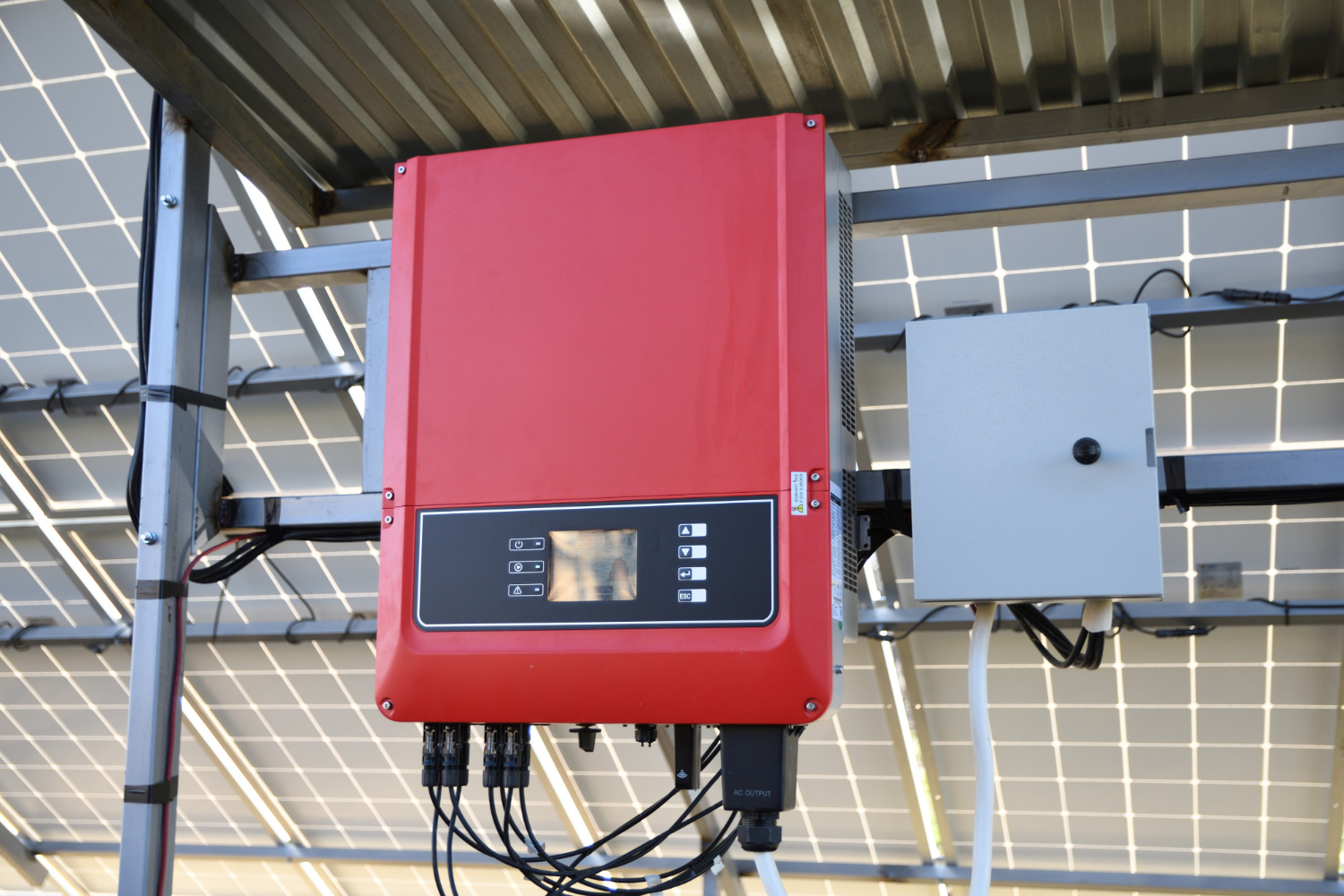
A storm can turn a normal afternoon in Brisbane into a blackout with little warning. Lightning, strong winds and fallen branches can interrupt grid power, leaving your home without lights, refrigeration, internet or cooling when you need them most.
A whole-home backup battery can help keep selected household functions operating while the network is unavailable. How well it performs depends on your battery capacity, solar generation, household demand and the way loads are managed during an outage.
Spring brings warmer weather to Brisbane, with storm activity often building before the wetter summer months. Lightning strikes, wind damage, flooding and faults across the electricity network can all affect power supply. Even a short outage can create a long list of headaches at home.
When the grid goes down, you may be dealing with more than a dark room. Common disruptions include:
Standard grid-connected solar panels may switch off during an outage as a safety measure. This protects workers repairing the network, but it can be surprising when you have panels on the roof and still have no power inside.
That is where having a whole-home backup battery in Brisbane pays off. Rather than just helping reduce everyday electricity use from the grid, a correctly designed backup system is built to supply power when the network is down.
When an outage occurs, the backup system detects the loss of grid power. It then safely separates your property from the electricity network and changes over to battery power. This transfer is usually automatic, so you are not left trying to start a generator in heavy rain or poor conditions.
With the right inverter, battery and backup setup, your solar panels may continue supporting the home during daylight hours. Depending on cloud cover, weather and your system design, solar energy can run appliances directly and recharge the battery for later use.
Not every backup arrangement works the same way. An essential-load setup generally supports selected circuits, such as lighting, refrigeration and internet. A whole-home design can cover more of your property, but it still needs thoughtful planning around high-demand equipment.
Some appliances may need to be shut down or used sparingly during an outage, including:
We design backup plans around what matters most to you, while helping protect stored energy from being drained too quickly.
Battery sizing starts with how you actually use energy at home. A larger household with several fridges, frequent air conditioning use and home-office equipment will have different needs from a smaller home with simpler backup priorities. There is no one battery capacity that suits every property.
When we assess a whole-home backup battery in Brisbane, we look at the appliances you want available, your peak demand and how long you would like backup power to support the property. We also consider whether your solar system can recharge the battery during daylight hours.
Important sizing questions include:
Smart load controls can make a major difference. For example, a system may keep priority circuits running while temporarily limiting non-priority equipment overnight or during poor weather. This staged approach gives you more control when an outage lasts longer than expected.
The team at AusPac Solar can assess residential, farm and commercial energy requirements and recommend a solar, battery and inverter configuration that suits your backup goals.
Battery runtime is never fixed. It changes with the amount of stored energy, the appliances running, the weather outside and the solar power available for recharging. We avoid broad promises about how long a battery will last because each property behaves differently during an outage.
Simple choices can stretch your available power while you wait for the grid to return. During a blackout, it can help to reduce air conditioning demand, delay laundry, leave pool equipment off and avoid running several high-load appliances at the same time. Efficient lighting and sensible fridge use can also reduce unnecessary energy draw.
Monitoring gives you a clearer view of battery levels, solar generation and current household demand. Regular energy maintenance also helps keep solar panels, batteries, inverters and backup components ready for severe weather.
Planning before the peak summer storm period gives you time to understand your household’s priorities and build a backup plan around them. We can help you consider system sizing, solar integration, load management and ongoing energy maintenance for your property.
The best backup setup is one that matches the way you live. Knowing which appliances matter most, when solar can recharge your battery and how loads will be managed can make a blackout far less disruptive.
Keep Your Essential Power Running
At AusPac Solar, we can help you assess your household’s priorities and design a system around them. Speak with our team about a whole-home backup battery in Brisbane that suits your property, energy use and backup needs. We’ll explain the available options clearly so you can move forward with confidence.


