Request Quote
Thank you! Your submission has been received!
Oops! Something went wrong while submitting the form.

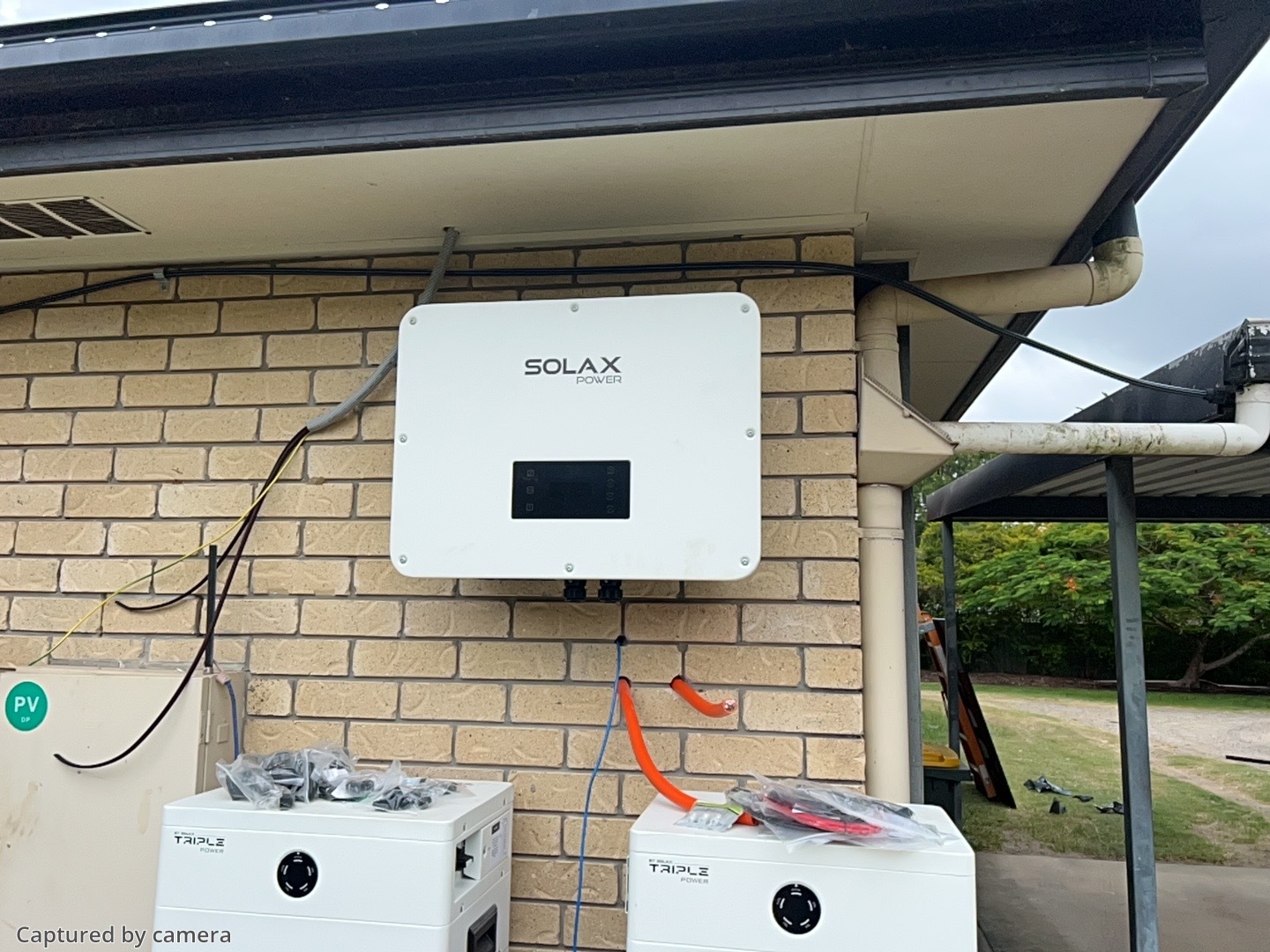
Summer brings the best solar conditions, but it doesn’t guarantee your system is working at its best. Many rural properties across Australia deal with high demand during this time, especially with cooling, irrigation, and processing all peaking as temperatures climb. If your solar isn’t keeping up, you could end up draining battery reserves too early or topping up more than you want from the grid or a backup generator.
If you're powering farms with off-grid solar and aiming to be fully independent, a smart approach this summer gives you the chance to increase efficiency. Getting more out of what you've already installed just takes a few small adjustments in how and when your energy is being used. Let’s walk through the top four ways to tighten your summer solar setup so it stays reliable even when demand surges.
The fastest way to lose solar efficiency is to run big loads when the sun is down. Timing matters. If you're using pumps, processing equipment, or compressor fridges overnight or early in the morning, you're leaning hard on your batteries instead of letting the sun handle it.
Weather variables aside, you’ll produce the most energy around midday, so that’s the window where you want your biggest loads active. The goal is to match major power use with major production.
Here’s how you can stay aligned:
- Set timers for water pumps and irrigation systems to run only between late morning and early afternoon.
- Use a smart inverter that can assign loads based on generation and battery status without needing manual changes.
- Avoid running laundry, dishwashers, or high-draw machines early morning or after sunset when the load shifts to storage.
These changes won’t reduce the energy you need, but they reduce how hard your system works to fill it.
Summer is dusty, and a light coating of dirt or dry leaf debris can noticeably knock down panel output. Solar panels only work as well as the light they catch, so staying clean and clear is critical.
Small efforts every couple of weeks during the warmer season go a long way. We’ve seen farms with strong solar systems underperform just from shading caused by foliage that grew over a few months.
To stay ahead:
- Check panel surfaces every two weeks in summer for dust, leaves, or droppings.
- Wipe with a soft brush or a microfibre cloth and water. Skip anything that may damage the frame or seals.
- Review how shadows form throughout the day. A tank or a new tool shed that didn’t cause problems in winter could block key panels in January.
- If you're up north, check whether a seasonal tilt towards the west helps catch afternoon sunlight better. Small changes in panel angle can stack up across multiple summer months.
A few minutes of effort each week can head off panel condition shortfalls before they hit your system’s efficiency.
Summer makes your solar system work harder. Batteries lose efficiency when they heat up, and inverters might mis-allocate loads if settings or sensors drift. Weekly checks help you catch such problems early.
Batteries charging too slowly? Inverter not switching over right at night? It’s easy to miss these kinds of issues if you aren’t checking in regularly. Over summer, your system might appear fine but reveal issues only when you can't run your workshop after dark.
Stay sharp by:
- Setting a recurring weekly battery check to track how fast storage fills and empties.
- Checking inverter logs to see if usage patterns match what you expect.
- Inspecting housing units and cabling to catch heat damage, loose wiring, or dust build-up, which can lead to efficiency drops.
If your inverter is distributing energy poorly, that can lead to unnecessary drawdowns from reserve storage when it could have balanced loads differently. Proactively fine-tuning can avoid blown fuses and brownouts when your daily load is at its peak. You might also consider professional solar maintenance and servicing to make sure everything is running as it should.
Even well-designed systems lag behind if your usage has changed. Farms evolve. You add a second cool room. The new mower charges in the shed. The kids’ study now runs an air conditioner full-time during holidays. These little shifts add strain but might not show faults.
Look at your property like an energy map. Where is demand peaking? Have you shut off power to spaces that don’t actually need it operating 24/7?
Here’s what you can do:
- Track energy-heavy jobs and when they happen. Do they align with solar production or not?
- Switch off background loads during sunlight peaks (computer monitors, hot water boosters, charging stands).
- If your installer supports sub-load monitoring, use it. It’s one of the best ways to understand which zones drain most and why.
For example, if your livestock shed is running fans and automatic feeders day and night, but your batteries are never holding charge into the evening, you may need to rework that timing or storage capacity before the hottest month arrives. The system you planned two years ago might need a tweak for how you use the farm now.
Strong summer sun is only an advantage if your system works with it. That means running heavy jobs when your production peaks, keeping panels clear so they collect all available light, and paying attention to how your batteries recover after each day’s use.
Many farm setups are capable of high efficiency by design, but habit and time chip away at performance until small changes cause major slowdowns. By reviewing how you use energy and keeping an eye on the system each week, you give your setup the chance to meet demand without compromise.
Take the guesswork out of managing peak loads and run your property the way it was meant to be with a setup that works as hard as you do. At AusPac Solar, we help Aussie farmers build reliable, off-grid systems that keep the property powered year-round. Talk to our expert team to learn more about making solar power for farms work for your land with practical, low-fuss solutions built for country conditions.
Q: Should I install more batteries for summer solar?
A: Not always. It depends on timing. If you manage your usage to match production, you might not need bigger storage. Start with better scheduling, measure how fast your batteries recharge, and only then think about expansion.
Q: Is summer heat bad for my battery performance?
A: Yes, especially if your batteries are housed in a spot with poor airflow or are exposed to direct sun. Heat can degrade their storage ability over time. Keep them shaded and check ventilation.
Q: What side of the shed should my panels face for summer gain?
A: In Australia, north-facing panels will give you the strongest consistent performance year-round. But if you use most power in the afternoons, like for cold storage or evening operations, a slight tilt towards the west could be useful.


