Request Quote
Thank you! Your submission has been received!
Oops! Something went wrong while submitting the form.

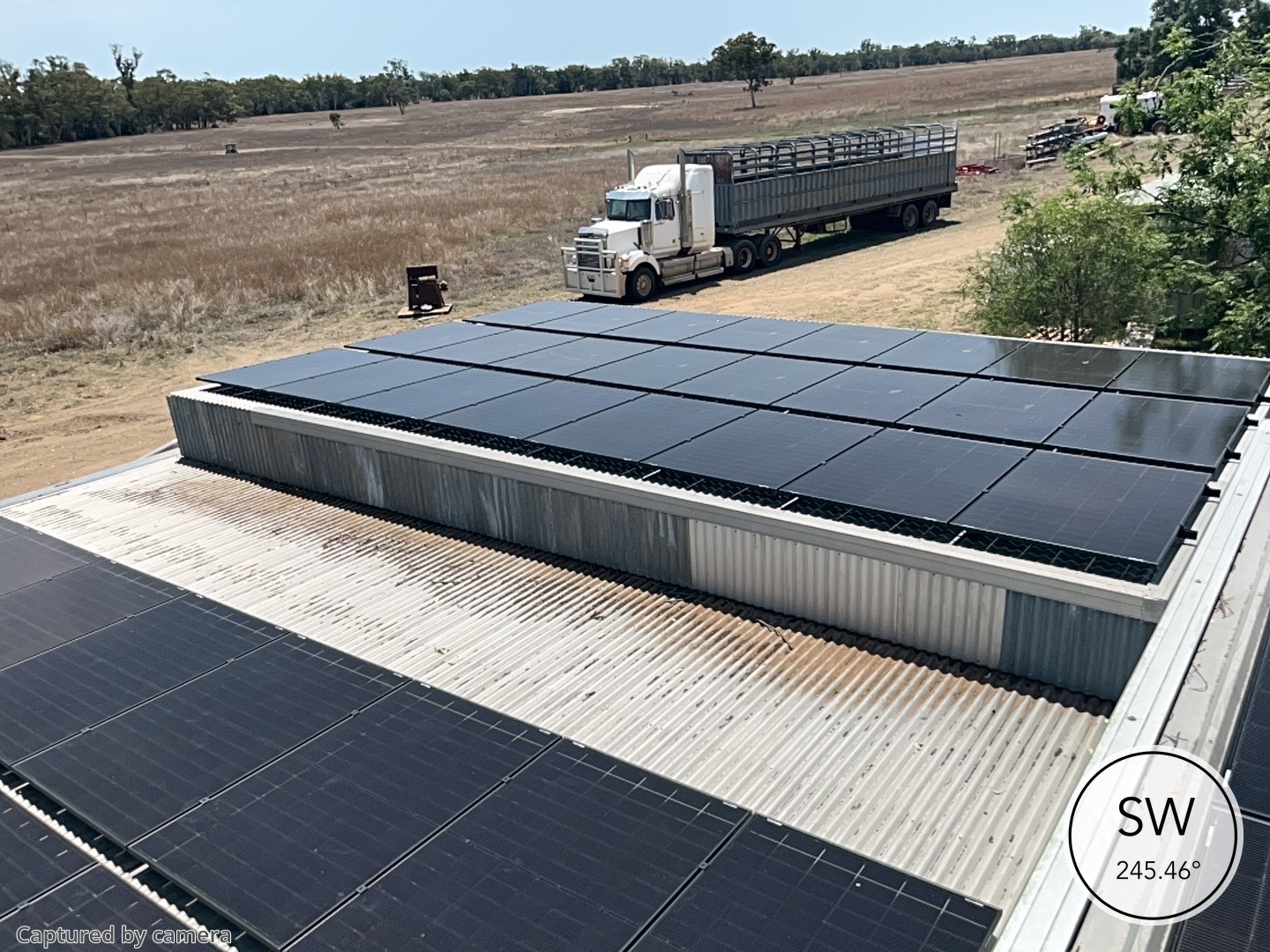
Autumn marks a critical transition period for Australian farms. You're wrapping up summer harvest jobs, preparing soil for the cooler months ahead and planning what needs to happen before winter arrives. This seasonal shift also raises an important question: is your solar system ready to support the work ahead?
The cooler months often reveal gaps in how well your off-grid power setup matches operational demands. Sheds need lighting before sunrise, workshops start up while the sun is still low and battery banks can run flat by evening. These issues catch many farm owners off guard, forcing them back onto grid support or diesel generators they thought they'd left behind.
Here's how to align your autumn farm operations with your solar power system to maintain continuous operation and capture every productive hour of daylight.
Autumn brings a noticeable shift in power consumption patterns across Australian farms. The change affects when and how you use energy rather than simply how much.
Lights, pumps and heating systems now start earlier in the morning and continue running well into the evening. Your operational window extends beyond peak solar generation hours.
Cooler temperatures drive up energy loads, particularly on properties running greenhouses, heated water systems or early season crop propagation. These heating demands often coincide with reduced solar output.
Rainfall patterns change across different Australian regions during autumn. Some areas experience increased irrigation demands, requiring more frequent pump cycles and continuous moisture monitoring systems.
Cloud cover becomes more frequent during the cooler months, directly reducing the midday solar charge your panels can capture. This affects your battery storage capacity throughout the day.
These seasonal changes often creep in gradually. Many farm owners don't recognise the increased strain on their system until batteries begin falling short or essential equipment fails to run when needed.
Before you start thinking about new panels or extra batteries, have a proper look at what you've already got running. Autumn is actually the perfect time to spot problems before winter makes them worse.
Start with your solar generation. Pull up your monitoring data (or just keep an eye on it for a week if you're doing it manually). Compare what you're getting on cloudy days versus sunny ones. Then stack that against what you were seeing back in January. The difference might surprise you.
Check how your batteries are behaving. Are they topping up fully during daylight hours? Or are they hitting empty before you've finished the day's work? If your batteries are running flat by early evening even after decent sun, that's your first red flag.
Don't ignore your inverter either. Voltage drops or struggles when you're running workshop gear in late afternoons often show up gradually. You might not notice it until your tools start lagging or your shed lights dim when the pump kicks in.
Here's the thing about autumn energy gaps: they rarely announce themselves as total failures. Instead, you get slower tool starts. Lights that aren't quite as bright. Batteries that don't hold overnight like they used to.
Those small signs? They're telling you something needs adjusting before winter arrives and makes everything harder.
If your setup isn't bouncing back the way it did over summer, now's the time to work out what needs attention.
Battery capacity issues show up in predictable ways. Your batteries dropping below safe charge levels by early evening, even after a sunny day, means your storage isn't matching your autumn workload anymore. That gap only gets worse when winter arrives.
Inverter strain is harder to spot but just as important. Some farms discover their inverter struggles when workshop equipment and water systems are running together during late daylight hours. That's not something you want failing during a cold snap.
More storage helps capture limited sunlight between midday clouds. It gives you flexibility across the full day and night, rather than leaving you short when the sun drops early.
The smart approach? Test your system now, while you've still got reasonable daylight. Catching weaknesses in April or May means you're not scrambling for emergency backup power in July.
Getting through winter comfortably starts with preparation during autumn. You've still got enough light to set things right.
Running everything as needed and hoping your batteries keep up is a recipe for outages. Planning when you draw power makes a bigger difference than most people realise.
Stack your high-draw jobs earlier in the day. When your panels are bringing in peak charge, that's when you want to run equipment that pulls the most power. Don't wait until late afternoon when generation is already dropping off.
Set timers for predictable loads. Irrigation pumps, food processing gear, fence chargers—anything that doesn't need to run at a specific time should be scheduled during solar-rich hours. Most modern systems make this straightforward.
Use thermal storage to your advantage. Insulated water tanks or feed bins can store warmth or processed quantity ahead of dusk. That means you're not burning through battery charge in the evening for things you could have handled during the day.
Look for quiet windows in your schedule. Those periods when nothing critical is running give your system a chance to top off charge levels. Even an hour or two can make a difference to your overnight capacity.
Autumn farming isn't about doing less work. It's about timing that work to match when your power generation is strongest.
You know your farm's rhythm better than anyone. But picking up on detailed patterns in battery cycling or inverter strain from ground level isn't always straightforward.
External testing spots problems you might miss. Professional system analysis can identify loads that are peaking earlier or more frequently than your setup was designed to handle.
Small autumn issues become winter failures. For off-grid operations, a weakness you overlook in May can turn into a complete system failure by June. That's not something you want to discover during cold weather or when stock need water.
Your operation probably isn't the same as last year. Maybe you've added equipment, changed your schedule or expanded your operation slightly. A system that handled everything perfectly twelve months ago might be struggling now without you realising it.
Getting fresh eyes on your setup before winter pressure builds means adjustments get made based on actual data rather than guesswork. And that's the difference between confidence and crossing your fingers every time clouds roll in.
Q: How does autumn affect solar power generation on farms?
A: Autumn usually brings shorter daylight hours, lower sun angles and more cloud cover. These changes reduce the amount of solar energy your panels can collect each day, which means batteries may charge more slowly and systems may rely on stored power earlier in the evening.
Q: Do solar panels still work on cloudy autumn days?
A: Yes. Solar panels still generate electricity during cloudy weather, although output is lower than on clear days. With adequate battery storage, farms can store energy from sunnier periods and maintain reliable power even when cloud cover increases.
Q: Why do batteries seem to drain faster in autumn?
A: Energy use often shifts during autumn. Earlier lighting, heating systems, and evening equipment use can increase reliance on stored energy after sunset, making batteries appear to drain faster than during summer months.
Q: Should I increase battery storage before winter?
A: If your batteries regularly drop below safe charge levels by evening or overnight, adding extra storage can help. More battery capacity allows your system to store additional daytime solar energy and maintain stable power through longer nights.
Q: When should I check my farm’s solar system before winter?
A: Early to mid-autumn is usually the best time. This allows enough time to identify performance issues, adjust energy usage, or install upgrades before winter brings shorter days and heavier reliance on stored power.
Q: Does colder weather affect solar batteries?
A: Mild cooler temperatures can improve battery performance compared to extreme summer heat. However, very cold conditions may temporarily reduce battery capacity, which is why proper system design and monitoring are important.
Q: How can farmers reduce pressure on solar systems during autumn?
A: Farmers can reduce energy strain by scheduling high-power equipment during peak sunlight hours, keeping panels clean, and monitoring battery levels. Simple load planning can help maintain consistent power throughout the day and night.
Q: Is autumn a good time to upgrade a farm solar system?
A: Yes. Autumn is a practical time to review system performance and make upgrades before winter arrives. Adjusting storage or system capacity early helps avoid power shortages during colder, cloudier months.
AusPac Solar has spent more than 15 years working with rural and remote Australian farms. We understand how seasonal shifts affect power demands because we've designed systems around them. Our off-grid and hybrid setups are built for resilience across every month of the year, not just the easy ones.
We also provide regular system check-ups, maintenance support, and proven battery storage upgrades. That means your setup stays ready for longer nights and changing workloads without you having to become a solar engineer.
This autumn, make sure your farm's energy system can handle what's ahead. Our tailored solutions are designed specifically for rural operations where reliability isn't optional. Solar power that's properly matched to farming demands means smooth operations regardless of weather changes.
Connect with AusPac Solar today to discuss how the right off-grid system can strengthen your property's energy independence. We'll assess your solar power for farms setup and show you what's possible for your operation.


