Request Quote
Thank you! Your submission has been received!
Oops! Something went wrong while submitting the form.

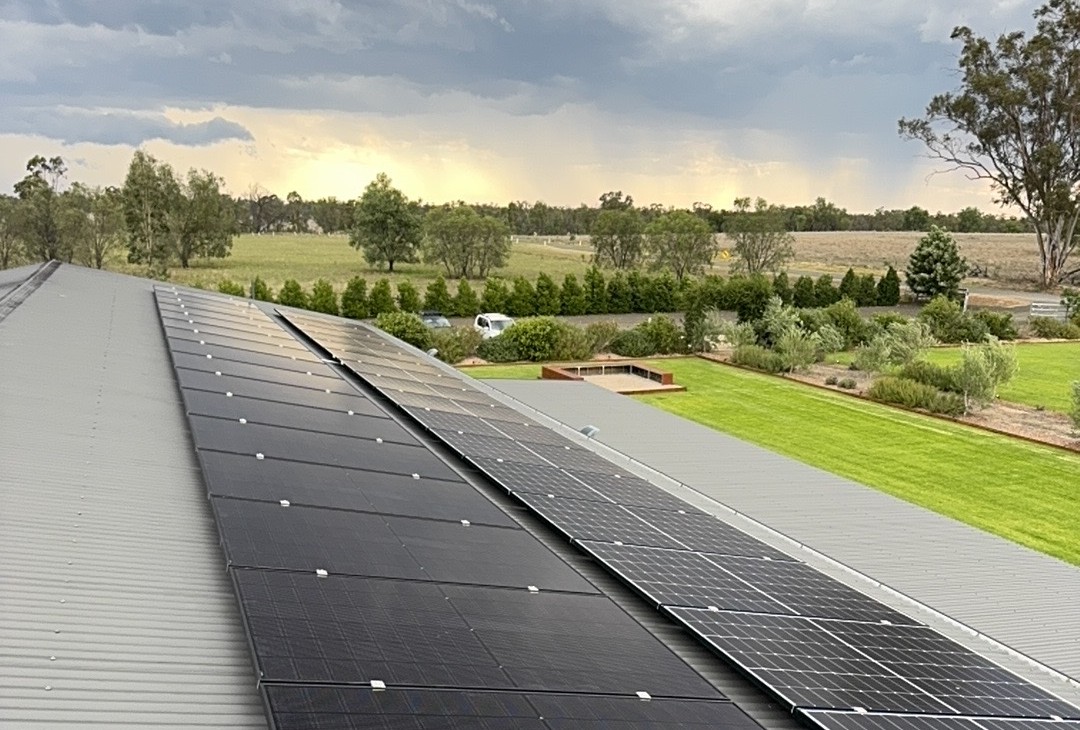
Solar power for farms does more than lower your bills. It’s meant to give you breathing room, especially when the weather turns or workloads grow. But as your operations expand, what once worked fine can start to show its limits. You might not notice until batteries drain too fast, backup systems kick in too often, or your workday gets constrained by what your system can handle.
If that sounds familiar, chances are your farm has outgrown its setup. Let’s take a closer look at the three clearest signs it might be time to scale up. With more Australian farmers now powering cattle farms with off-grid solar, the need for robust, scalable systems has never been more relevant.
Batteries hitting empty earlier in the day is one of the first things people notice. If you’re seeing shorter charge life or more frequent cut-outs, it’s telling you something. Most farms increase demand gradually, with extra appliances, new lighting, and new tech in the workshop. Over time, it all adds up.
Energy needs often rise with summer, too. Hotter days mean more refrigeration, longer fan use, and increased water demands. Even temporary weather shifts like scattered cloudy days through spring and early summer can flatten your production, especially if your panels are running close to their limit. That’s when the strain really starts to show.
The system might have been fitted for a smaller home load, fewer machines, or cooler months. A few years and several farm additions later, it’s playing catch-up. For growing farms, setups hit their limit sooner or later, and once that line’s crossed, it becomes a daily issue.
A generator is handy in a pinch. But when you’re relying on it regularly or using grid power more than expected, something’s off. This is where frustration builds, not just because you’re spending more, but because the setup you rely on suddenly feels fragile.
For those aiming to be more independent, frequent grid fallback goes against the whole point. What should be a stable, self-reliant system turns into a cycle of flicking breakers, rationing power, and dreading the next stretch of cloudy days.
Even brief interruptions where gear resets or lights dip can take a toll. When a farm depends on things like bore pumps, cool rooms, or workshop tools to keep running, outages and reductions cost both time and your productivity.
A strong solar setup should carry your core daily use without outside help, even during less than ideal conditions. If it can’t, then you need to review its capacity across generation, inverter sizing, and storage. If your batteries are outdated or undersized, checking whether you're eligible for the new battery rebate could help reduce upgrade costs significantly.
It’s one thing to notice shorter charge windows, but quite another to shape your whole day around what your system can cope with. If you’re waiting till the sun’s overhead to start tasks or avoiding running certain machines together, then your system is holding you back.
Running multiple high-load machines, filling tanks while tools are in use, or planning for future expansion all demand headroom. An undersized setup will make all that a hassle, and start dictating your workflow.
More panels won’t always fix this alone. It comes down to holistic design, storage size, inverter matching, cabling, and safety shutoffs. A system built without space for growth will struggle once load demand shifts off the original plan.
This gets frustrating quickly, especially during summer when everything picks up. You want to prep, produce, and process on your own terms, not work around downtime or risk tripping the system with one too many jobs at once.
Q: What if I only have capacity issues in summer?
A: That’s still a scaling problem. Summer brings cooling needs, longer run times, longer recovery after cloudy spells, and storm activity. All of that demand compounds. If your setup drops short in summer, it means it's already too tight under pressure.
Q: Can I just add more panels to fix it?
A: Not necessarily. More panels without balance in your inverter or storage won’t help. Panels only work when sun is available. If your batteries can’t keep up or your inverter can’t push enough current, extra panels won’t fix shortfalls.
Q: Why is battery size so important?
A: Because generation only happens during daylight. Your battery runs everything after sundown, during outages, or when production dips. Insufficient storage means faster drain, more fallback, and lower resilience. If that’s happening often, it’s time for a change.
Q: Is bigger always better?
A: Not really. Oversizing is inefficient if the system isn’t balanced. What matters is having room to move, enough capacity to handle your current load, and some give for changes ahead. A proper design review works that out sensibly.
A farm solar system that runs short will start blocking productivity fast. The line between self-reliance and frustration often comes down to whether the system keeps up with where your property is headed, not where it started.
Finding the right fit means looking at your energy usage over time in the big picture. It’s about matching real-world demand with a setup that holds steady through weather shifts, daily spikes, and future upgrades. Reliable solar power for farms is about the freedom to run things your way, season after season.
When your system no longer keeps pace with how you live or work, it’s time to reassess. At AusPac Solar, we help Aussies upgrade with solar power for farms built to handle real-world demands through every season. Call our expert team today to get your system working for you, not the other way around.


