Request Quote
Thank you! Your submission has been received!
Oops! Something went wrong while submitting the form.

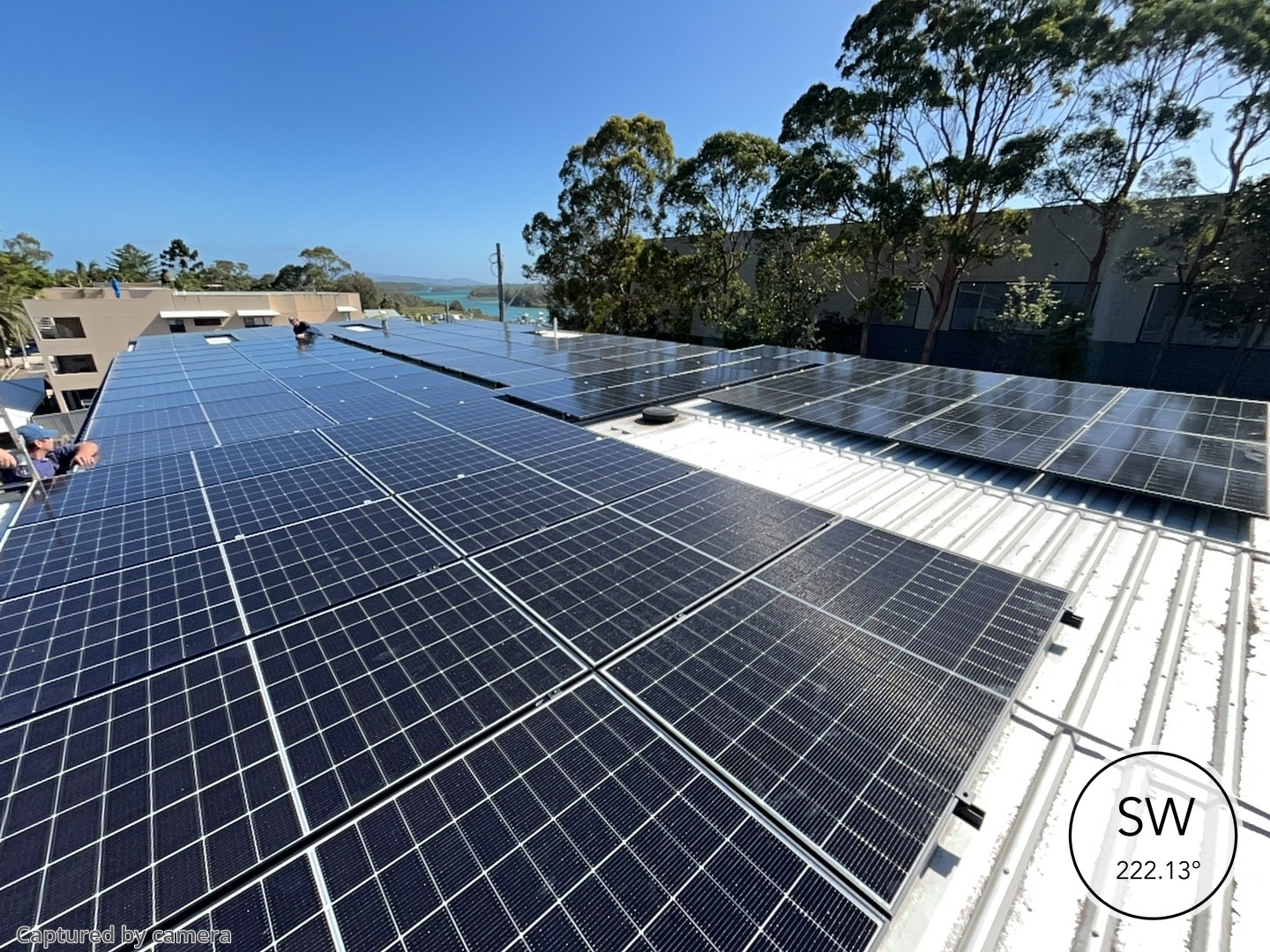
Summer storms can arrive fast and hit hard. For farms relying on solar power, that can mean hours or even days of lower generation, flickering systems, or full shutdowns, right when power matters most. Knowing what causes these issues helps you respond faster, protect your gear, and keep your farm running through the season.
Powering cattle farms with off-grid solar has shown just how effective well-designed systems can be, even during unpredictable weather. Solar power for farms in Australia is designed to handle tough conditions, but summer still pushes those limits. The mix of heat, humidity, wind, and rain creates a perfect storm for faults if your system has any weak spots.
When solar systems are pushed too hard by summer conditions, it can affect power output, cause automatic shutdowns, or even damage components. Today we’ll look at why and how these problems occur, and what we can do to prevent them.
Cloud cover is the first issue. Even if a storm hasn’t hit yet, thick build-up can flatten your solar production for days. You might still get light through, but not enough to keep up with regular use, especially if your setup already runs close to capacity.
Once storms roll in, other problems kick off:
- Heavy rainfall can soak wiring or leak into housings if any seals are weak
- Wind can shift panels that weren’t bolted tightly or stress ageing brackets
- Dust storms before the rain coat your panels in grime that blocks the sun
- Hail can crack the glass, shutting panels down altogether
There’s also the matter of voltage drops. When sunlight comes and goes quickly behind moving clouds or falling rain, your inverter might not keep up. Most smart systems are set to shut down temporarily in risky situations like this.
This is where design matters most. Automatic shutdowns happen because protective gear is doing its job, keeping dangerous input or output away from your equipment.
There are a few triggers behind shutdowns:
- Sudden changes in load, like fridges or bore pumps kicking in during a low-voltage time
- Spikes from nearby lightning strikes
- Batteries hitting danger levels from overcharge, overdraw, or out-of-range voltage input
- Inverters detecting output that's no longer safe to distribute
Problems worsen when the system is pushed too far or installed without making proper allowances for storm conditions. Poor earthing makes lightning more risky. Undersized cables can’t handle current once something surges. Loose or outdated wiring responds poorly when wet.
Storms reduce output, and can highlight weak points in ageing or poorly designed systems.
At risk parts include:
- Panels on sheds or rooftops that face strong winds
- Ground-mounted panels near open paddocks or tree lines
- External cables that aren’t buried or protected
- Battery housings without good airflow or drainage
- Inverters mounted near open windows, doors, or unsealed sheds
Storm water causes creeping problems over time, like corrosion inside plugs or fraying wires from expansion due to wet/dry cycles. Debris like tree branches or flying sheets of tin can break hardware in one hit. Even blocked gutters or drains near your gear can cause trouble if water pools and lingers over summer.
Preparation is less about big upgrades and more about checking the little things early. Once storm risk rises, you want to know your system’s ready to hold steady.
Here’s what’s worth doing as new season storms start gearing up:
- Tighten or replace any sagging panel mounts
- Look over battery terminals for swelling or corrosion
- Check inverters for blinking lights or logged faults
- Trim any overhanging trees near sheds or structure-mounted units
- Rake or dig around gear to improve drainage, especially in older trenches
- Reseal any cable entry boxes or junction points starting to crack
We suggest booking a technician for a full inspection if your system hasn’t been looked at in more than a year. Not all damage shows up straight away, so an early check saves stress later. Scheduling timely solar maintenance and servicing helps catch small issues before they cause downtime during storms.
Once the skies clear, it’s tempting to move on and focus on other jobs. But that’s when many solar system issues start silently getting worse.
After a storm, check the following:
- Look at your panels, are they still flat, clean, and in the right place?
- Make sure no limbs or debris are resting against wiring
- Open your inverter cabinet and confirm there are no warning lights
- Watch your charge rate over the next few hours to see if it’s recovering normally
If your breakers keep tripping or your system feels slow or unstable, turn it off and wait for a qualified person to check it. It’s not worth risking bigger issues by running a damaged system.
Q: Why does my battery drain faster during storms?
A: Your system is likely producing less due to cloud cover or inverter cutouts, but you’re often running your normal loads, or sometimes more, depending on pumps and other weather-driven equipment.
Q: Should I turn off my solar system during a storm?
A: Most systems are built to ride out storms safely, so switching off isn't usually needed. But if you’ve already had issues or faults show up, a technician might suggest shutting it down until it’s checked.
Q: Can a storm permanently damage my solar setup?
A: Yes. If water gets into the wrong place or lightning hits nearby, parts like panels, cabling, or inverters can fail slowly or completely.
Q: How do I know if my system is safe after a storm?
A: Look for errors on inverter displays, sudden drops in output, or signs of physical damage. If anything looks or sounds off, don’t run the system until it’s been inspected.
Storm season can test any system, even one that’s worked perfectly all year. Often problems don’t show up until the sun returns and output doesn’t match what it used to. Other times it’s a small issue that builds into something bigger after a few rough days. Staying ahead means paying attention now, not after something breaks.
If summer storms have already pushed your system to the edge or left you second-guessing its reliability, it might be time to rethink the setup. At AusPac Solar, we help farmers across Australia build smarter, stronger energy systems that hold steady when weather turns. If you're ready to stop patching a fragile setup and build one that works year-round, let’s talk about how to upgrade your solar power for farms into something fit for storm season and beyond.


