Request Quote
Thank you! Your submission has been received!
Oops! Something went wrong while submitting the form.

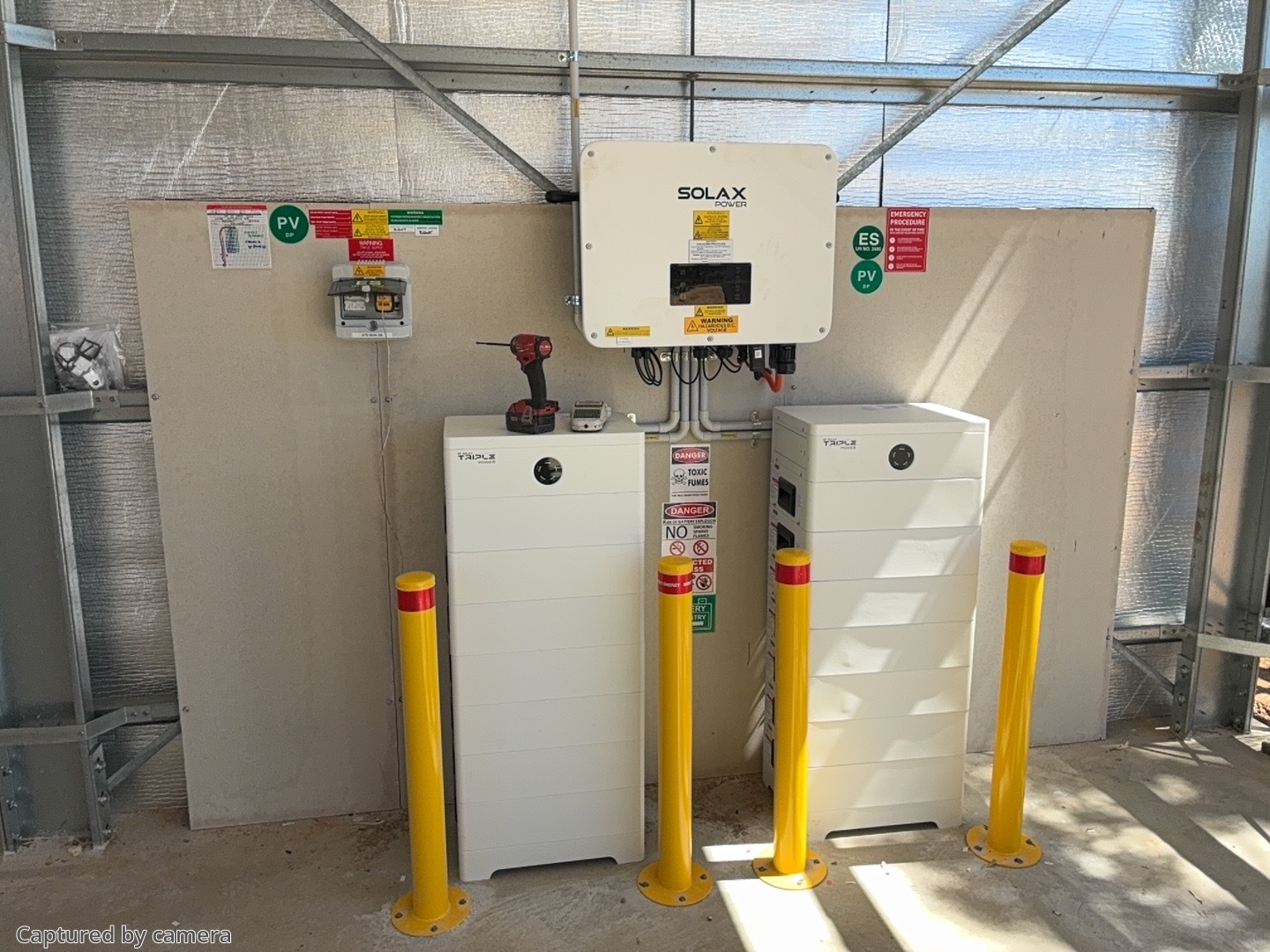
Running a remote Queensland property means power is never a "set-and-forget" job. Diesel prices keep climbing, every new season brings fresh demand, and the system that was supposed to handle everything starts falling short.
The usual response is to bolt on a few more panels or throw in another battery. Done without a proper plan, that approach creates a cycle of repeat undersizing, long generator hours, and power that gives out at exactly the wrong moment.
A structured expansion roadmap changes that. Each upgrade gets sized correctly, matched to what is already there, and built for what comes next.
AusPac Solar designs and installs off-grid and hybrid solar and battery systems for rural and remote properties across Australia and the Pacific. After 15 years and more than 7,000 installations, the patterns are familiar. Properties that plan ahead cut diesel use significantly, stay powered through heat, storms, and extended cloudy periods, and avoid the costly surprises that come from outgrowing a system with no room to grow.
The first step is a proper load audit, not a guess based on a few labels. Start with a simple table that captures every circuit and piece of equipment on the property.
For each item, record:
Many properties have big swings in demand across the year. Irrigation and bores often run harder in the dry, cold rooms work hardest in the build-up and hotter months, and shearing sheds, crush yards, or processing gear can create short, high-demand bursts that catch undersized systems off guard.
These are a major reason systems stay undersized. Common ones that get missed include future bores, extra tanks, or bigger irrigation sets, additional staff quarters, granny flats, or tourist cabins, EVs, buggies, or electric machinery planned for down the track, and extra cold storage or processing equipment as the business grows.
Once the audit is done, real monitoring is worth its weight in diesel saved. Good options include:
This shows you actual peak loads and when they hit, motor start-up surges from pumps and compressors, and overnight baseloads that quietly chew through battery capacity. That information is what turns a rough estimate into a real expansion plan.
Sometimes the fix really is just adding panels, but only when the rest of the system can actually use them. More solar makes sense when most of your load runs in daylight hours like pumping, workshops, and sheds, when you have spare roof or ground space with good sun exposure, and when your batteries are already close to full by mid-afternoon on clear days.
In that situation, extra solar generation means:
These symptoms point to a storage or inverter problem, not a generation one.
Local conditions matter too. Remote Queensland gets strong sun for much of the year, but long cloudy bands in the wet season can flatten output for days at a stretch. Heat and dust reduce panel performance, and cyclone exposure affects how and where panels can be mounted. Sizing has to account for both the bright dry months and those drawn-out cloudy periods, not just an average day.
Once you know your loads and solar profile, the next question is whether you need more storage, more inverter capacity, or both together.
These symptoms typically point to storage that is too small for overnight loads, or a battery bank that is simply getting tired.
There is a common situation where both need upgrading at the same time. It tends to show up when older lead-acid banks are nearing the end of their life, when new high-demand gear is coming onto the property, or when workarounds like manually turning things off so something else can run have become routine.
In those cases, moving to modern lithium batteries, higher capacity inverter/chargers, and smarter system control often costs less over time than three or four smaller upgrades that never quite keep pace with demand.
A pure solar and battery setup is not always the right fit for every property. For some operations, a planned hybrid system with solar, batteries, and a diesel generator working together is the smarter middle ground.
Hybrid designs tend to suit properties with very large intermittent loads like big irrigation sets or seasonal processing, long cloudy stretches in the wet where solar alone struggles to keep up, or a need to stage upgrades over time rather than fund everything at once.
The goal is to use diesel strategically rather than as a constant fallback. A well-designed hybrid plan will:
Key design choices that future-proof a hybrid system include proper generator auto-start integration with the inverter/charger, matching genset size to inverter size so both run efficiently, and smart scheduling that aligns with known busy periods and fuel delivery cycles.
For remote Queensland sites where access, freight costs, and service windows are all tight, this kind of planning is not optional. It is what separates a system that holds up from one that becomes a problem.
Most remote systems do not fail because of one big mistake. They fail because of a long string of small ones.
Common hardware traps include:
Planning mistakes are just as costly. Properties often get caught designing only for current loads with no buffer for growth, underestimating how hard heatwaves and extended cloudy periods hit system capacity, failing to account for cyclone risk and how it affects mounting and layout, and not thinking through how difficult and expensive it is to get parts and qualified technicians to very remote locations at short notice.
A proper expansion plan addresses these risks before they become problems by setting clear capacity targets ahead of purchasing decisions, standardising on hardware families where local spares are a realistic option, and building staged milestones that align with cashflow and broader property plans.
When AusPac works with owners on remote Queensland systems, the planning horizon is 10 to 15 years, not just the next wet season. That long view is what keeps diesel use under control and power reliable as the property grows.
If your property is still running on diesel or your current solar setup is not keeping pace with demand, the right time to act is before the next wet season catches you short.
AusPac Solar specialises in practical, reliable off-grid and hybrid systems for remote Queensland properties, from the initial assessment through to long-term support. Every system we design is tailored to your location, your loads, and your plans for the future.
Talk with our team today and we will walk you through your options, system sizing, pricing, and installation timeframes. No guesswork, no generic quotes built for suburban rooftops.
Contact AusPac Solar to book your solar energy for remote Queensland assessment and get reliable power working for your operation sooner.


