Request Quote
Thank you! Your submission has been received!
Oops! Something went wrong while submitting the form.

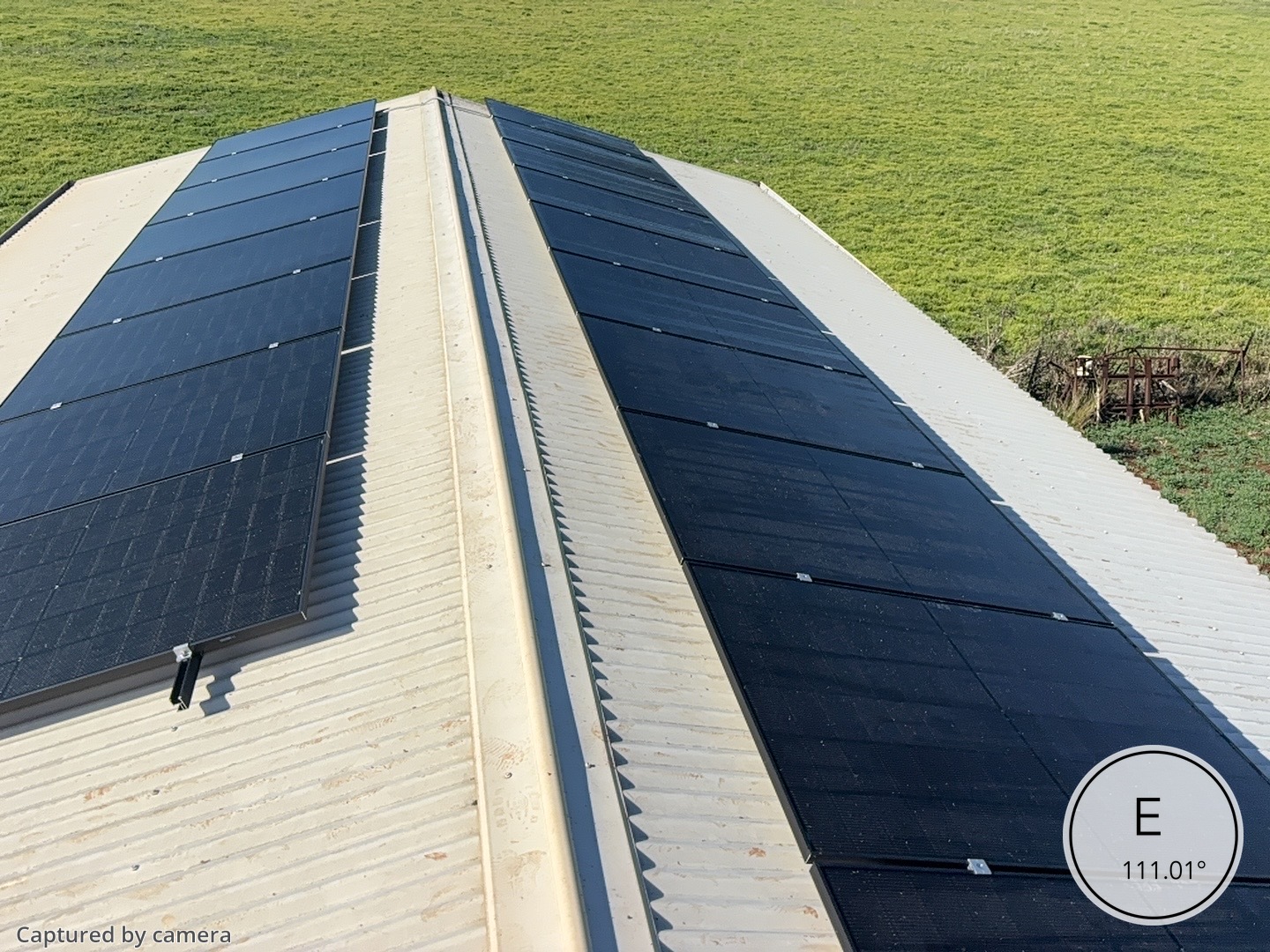
Keeping clean water in front of cattle and crops through long, hot spells is one of the biggest pressures on a Queensland farm. When the wet lets you down or storms miss your place, every trough and tank level suddenly matters, and bore reliability becomes non-negotiable.
Rising diesel prices, ageing generators and surprise breakdowns all add to the stress. Many properties still rely on old gensets and drum diesel at remote bores, hoping they will keep going through the next heatwave. When they do not, you are staring at animal welfare risks and lost production.
Solar power for bore pumps is now a proven, low-maintenance way to secure water on remote country, without depending on grid power or fuel runs. With the right design, you can run submersible or surface pumps directly from the sun, with batteries and tanks covering nights and cloudy spells.
Section summary: Solar-powered bore systems give Queensland farms a reliable, low-maintenance way to keep water up to stock and crops, reducing reliance on diesel and cutting the risk of water failures in hot, dry periods.
In this guide, we step through average bore pump energy use, how many solar panels you are likely to need, battery sizing for night pumping, diesel versus solar costs, and a realistic Queensland case-study-style example. As an Australian-owned specialist in off-grid systems for rural and remote areas, we design every setup around the way farms actually work, not city assumptions.
A solar-powered bore system on a cattle station or mixed farm usually includes:
• Solar panels feeding DC or AC power
• A bore pump (submersible or surface)
• Pump controller or variable speed drive
• Optional battery bank for night or 24/7 pumping
• Storage tanks or turkey nests feeding troughs by gravity
• Float switches or level sensors in tanks and bores
Panels produce power during daylight. The controller starts and stops the pump based on tank levels and available solar. With batteries, any surplus solar during the day charges storage, which then runs the pump after dark.
Typical pump motor sizes we see on grazing and broadacre country include:
• Around 0.75 kW: small mobs, single troughs, house and garden supply
• Around 1.5 kW: outstation tanks, several troughs, small paddock rotations
• Around 3 kW: main house plus multiple troughs, moderate herds
• Around 5.5 kW: larger reticulation networks, multiple lines and storage tanks
Daily energy use depends on run time. For example:
• 1.5 kW pump running 4 hours: about 6 kWh per day
• 1.5 kW pump running 6 hours: about 9 kWh per day
• 3 kW pump running 5 hours: about 15 kWh per day
There are two main operating styles:
• Day-only: solar runs the pump while the sun is up, filling big tanks that supply troughs day and night
• 24/7: solar plus batteries, so the pump can run whenever tank levels call for it, regardless of time
Section summary: A typical solar bore setup combines panels, a pump, a controller, tanks and sometimes batteries so that daylight power and stored water (and energy, if used) can reliably supply troughs and houses on grazing land.
In practice, most farm bore pumps can be powered comfortably with a correctly sized off-grid solar system, matched water storage, and, if needed, a battery bank. The key is sizing everything around your water demand and bore characteristics.
You can get a rough feel for solar size with a simple method. We still recommend a custom design, but this framework helps you talk through options.
Numbered sizing steps:
1. Confirm pump motor size and voltage
Check the nameplate on the pump or from your installer. You want the kW rating and whether the motor is single or three-phase.
2. Estimate daily run hours and water volume
Work out how many hours a day the pump needs to run to meet peak stock and household demand while also refilling storage.
3. Calculate daily energy
Multiply pump power by hours: kW × hours = kWh per day. For example, 2.2 kW × 5 hours = 11 kWh per day.
4. Allow for Queensland sun hours and losses
A conservative figure for many parts of Queensland is around 5 to 6 peak sun hours a day. Then allow for inverter and wiring losses.
5. Convert to solar size and panel count
Divide daily kWh by effective sun hours to get kW of panels, then divide by panel wattage to estimate panel numbers.
Example: a 1 kW pump running 6 hours uses about 6 kWh per day. With 5 sun hours, you would look at around 1.5 kW of solar to cover losses and give headroom. With 440 W panels, that is roughly 4 panels, but in real designs we often add more for resilience.
Comparison table: pump size vs typical solar array (approximate)
Pump size (kW) | Run time (hrs) | Energy (kWh/day) | Solar array (kW) | Panel count (440 W)
---|---:|---:|---:|---:
0.75 | 4 | 3 | 1.2 | 3
1.5 | 6 | 9 | 3 | 7
2.2 | 6 | 13 | 4 | 9
4.0 | 6 | 24 | 6 | 14
These figures are ballpark and do not include every factor. Bore depth, pump efficiency, pipe friction, elevation to tanks and water quality can all increase real-world power needs. This is why professional design matters for off-grid solar for farms, especially when you rely on that water every day.
As a quick guide:
• Small pumps up to around 1 kW: often 4 to 6 panels
• Medium pumps around 1.5 to 3 kW: often 8 to 16 panels
• Larger pumps above 4 kW: often 16 panels or more
Section summary: Estimate pump energy use, divide by local sun hours and allow for losses, then convert to panel kW and count; smaller pumps may only need a handful of panels, while larger bore systems can require 10, 16 panels or more.
There are two main strategies for water security on Queensland farms.
1. Solar direct to pump with larger tanks
Here the focus is on pumping hard in good sunshine and storing water in elevated tanks. Troughs are fed by gravity, so you ride through the night and short cloudy periods without needing much, or any, battery storage.
2. Solar with a battery bank for 24/7 operation
In this setup, the system stores energy as well as water. The pump can start any time the controller sees low tank levels, which is handy when you have multiple mobs drawing at different times or critical house supply.
A simple battery sizing example:
• 1.5 kW pump
• 6 hours of daily run time
• Daily use around 9 kWh
If you want 2 days of backup, that is 18 kWh. With lithium batteries, many designs assume you use around 80 percent of their rated capacity. So you divide 18 kWh by 0.8 and get about 22.5 kWh of nominal storage. With AGM or other lead batteries, often only about half the rated capacity is usable, so you would specify a larger bank for the same backup.
Typical practice on many Queensland cattle places is:
• Oversize header tanks for 2 to 5 days of water
• Run solar direct to pump for most of the duty
• Add a modest battery bank so the pump can top up overnight or during short cloudy periods
In short, smaller bore systems might only need minimal batteries or none at all if tanks are generous. Medium systems often carry a moderate battery bank. Larger, critical systems combine solid tank capacity with enough lithium storage to ride through several low-sun days without stressing stock water.
Section summary: Most farms balance tank volume and battery storage: big header tanks and day-only solar may be enough for simple setups, while larger or more critical bores often pair generous tanks with a modest lithium battery bank for 24/7 security.
Fuel price swings, drum deliveries and generator servicing are as much a headache as the actual fuel bill. Every trip to refuel a remote bore takes time and vehicle costs, and every breakdown during a hot spell raises animal welfare risks.
To compare diesel to solar, consider:
• Typical generator fuel burn per hour for the size needed to start your pump
• Average hours per year that your bore runs
• Current fuel price per litre on farm
• Yearly servicing, oil, filters and occasional repairs
Solar power has a higher upfront cost for panels, inverter, pump controller and, if used, batteries. But once installed, the yearly running cost is low, usually limited to:
• Cleaning dust and bird droppings off panels
• Periodic checks of wiring, fuses and earthing
• Occasional component replacement over the life of the system
Comparison table: diesel vs solar bore pumping
Item | Diesel Bore Pumping | Solar Bore Pumping
---|---|---
Upfront cost | Lower to moderate | Higher
Yearly fuel or energy | High and volatile | Very low
Yearly maintenance | Moderate to high | Low
Expected life (core kit) | Generator shorter | Panels long, others moderate
Noise | Loud at bore | Quiet
Water security risk | Higher on breakdowns | Lower with good design
One common concern is the cloudy week problem. In practice, we deal with that through:
• Conservative solar sizing with extra panel capacity
• Tank storage sized for several days of full demand
• Battery autonomy for overnight and cloudy-day running
• Sometimes, keeping a small backup generator for extreme conditions
When the system is designed around your worst realistic case, not your average day, water continues to flow even through extended low-sun periods.
Many graziers find that the payback on solar compared with diesel sits within a reasonable number of years, depending on how much they pump. After that, the yearly savings are significant, and the peace of mind of not chasing diesel drums is hard to put a price on.
Section summary: Diesel pumping usually costs less upfront but more every year in fuel and servicing, while solar has a higher initial spend but delivers very low running costs, quieter operation and lower water security risk over the long term.
On a typical central or western Queensland cattle station, a remote production bore might have originally been set up with a diesel generator running a medium-sized submersible pump. Fuel drops would be done every few weeks, servicing booked when time allowed, and every so often the generator would fail during a hot dry spell, leaving mobs short of water.
A solar upgrade on a property like this might involve:
• A pump around 2 to 3 kW at moderate depth
• A solar array with around 10 to 16 panels, set on a ground-mount near the bore
• A lithium battery bank sized for a couple of days of backup
• Several large header tanks positioned to gravity feed a network of troughs
Before the upgrade, yearly costs would include diesel, generator services and unplanned breakdowns. After moving to solar, the main expenses shift to occasional inspections and minor parts replacement. Many operations in similar situations see strong reductions in fuel use, far fewer bore runs and better stock condition thanks to steady water.
Section summary: A typical Queensland cattle station that converts a diesel-powered bore to a well-designed solar system can cut fuel and breakdown costs, reduce bore runs and improve stock condition through more reliable water.
How does solar power for bore pumps work on remote farms?
Panels feed a controller that runs the pump when there is enough sun and the tanks need water. Tanks provide storage and gravity feed, while optional batteries and level sensors help keep water flowing steadily day and night.
What size solar system do I need for my bore pump?
You match solar size to pump kW, daily run time, bore depth and tank strategy. A tailored design based on your actual water demand and bore characteristics gives the most reliable outcome.
Can solar run submersible pumps at deep bores in Queensland?
Yes. As long as the system is sized for the pump head, flow rate and starting requirements, solar can reliably run submersible pumps on deep bores across Queensland.
Do I really need batteries, or are tanks enough storage?
Many setups work very well with generous tank storage and day-only solar pumping. Batteries are added where night pumping, more complex reticulation or extra resilience is needed.
How much does a solar bore pump system cost to install on a farm?
Costs vary widely with pump size, bore location, trenching, control gear and battery choices. Accurate site information is needed to provide a realistic installed price.
What happens in a long cloudy week or during the wet season?
A well-designed off-grid solar system leans on larger arrays, adequate tank volume, battery autonomy and, if desired, a small backup generator so water keeps up even through extended cloudy periods.
How long do solar panels, pumps and batteries last on stations?
Panels typically provide useful output for decades, pumps last according to water quality and duty cycle, and battery life depends on chemistry, sizing and how often they are cycled.
Can I retrofit my existing diesel pump to run on solar power?
In some cases you can, by changing how the motor is supplied or replacing the generator with solar and an inverter, though often a new pump matched to solar is the better long-term option.
What maintenance is required for a solar bore system on a property?
Most systems only need regular panel cleaning, periodic checks of electrical connections and earthing, and occasional inspection of pumps, tanks and control gear.
Section summary (FAQ): Most farms can move from diesel to solar bore pumping with the right design, and a well-sized system with tanks (and optionally batteries) will run with low maintenance and high reliability, even in remote Queensland conditions.
To plan your next step, it helps to work through a simple checklist before speaking with a designer:
1. List all your bores and existing pump sizes.
2. Estimate daily water needs per bore and per mob.
3. Note current diesel, grid or generator costs for pumping.
4. Decide how many days of water security you want in your tanks.
5. Consider any likely future expansion, extra troughs or new paddocks.
Off-grid solar for farms is at its best when it is matched carefully to bore depth, water demand and local climate. The more accurate your starting information, the easier it is to design a system that will quietly look after your stock for years.
Section summary: Gather details on your bores, pumps, water demand, current pumping costs and desired days of storage so a designer can specify a solar bore system that meets your needs now and into the future.
If you are ready to cut your power bills and gain more control over your property, we can help design a system tailored to your land, water and livestock needs. At AusPac Solar, we work directly with you to size and install reliable off-grid solar for farms that keeps your operations running. Talk to our team today so we can assess your site, discuss your goals and map out the most practical solution for your farm.


