Request Quote
Thank you! Your submission has been received!
Oops! Something went wrong while submitting the form.

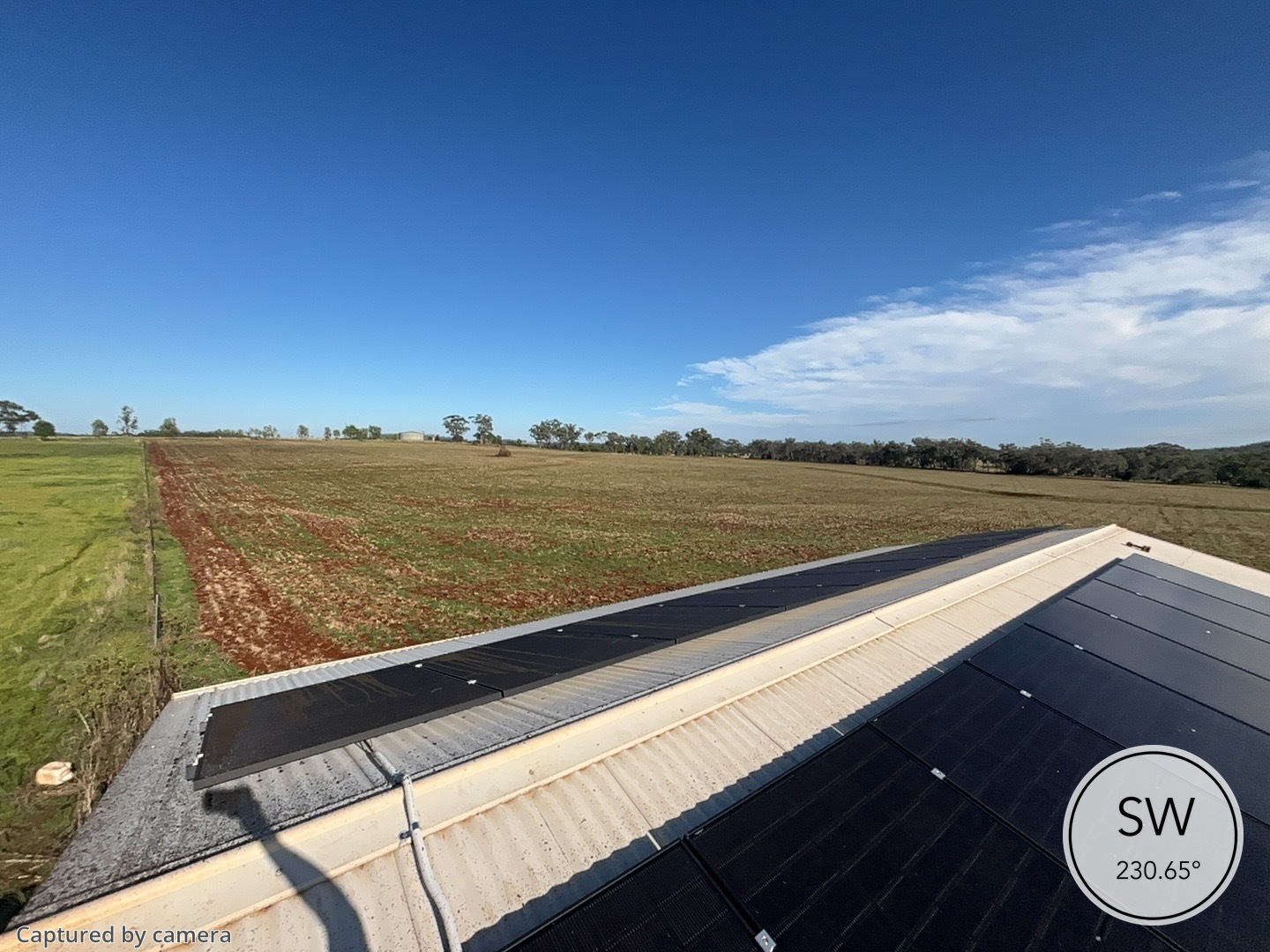
Running a machinery shed off solar sounds simple until you fire up the welder and the compressor at the same time. Then the lights flicker, the inverter screams, and the generator kicks in right when you were hoping for a quiet day. Remote and rural sheds are tough on solar and batteries because loads are heavy, spiky, and used in short bursts.
When you are working around field prep, spraying, or repairs before winter, the old diesel genset can be a noisy headache. It needs fuel on hand, regular servicing, and someone to baby it along. A well-set-up solar and battery system can carry most of that shed work, keep power steady, and leave the generator as backup, not the main act.
In this guide we walk through how to run solar power for machinery sheds in the real world, not just on paper. We focus on high start-up loads, smart load shedding, and practical battery and generator settings so your shed behaves like a reliable power hub, even when you only use it a few days a week.
Know Your Shed Loads Before You Size Your System
Before anyone picks a panel, battery or inverter, you need to know what actually runs in the shed. Most farms have a similar mix of gear, for example:
• Welders, MIG, stick and TIG
• Air compressors, small and large
• Pressure cleaners
• Hoists and winches
• Grinders and drop saws
• Shed lighting and floodlights
• Fridges, freezers and tool chargers
• Pumps for water or transfer fuel
The key trap is confusing running load with start-up load. That little 3 kW compressor might look fine on paper, but the motor can pull three to four times that for a second or two when it kicks over. Your solar inverter has to handle that spike without tripping.
It is the same story with welders. The sticker might say a neat figure, but the real draw jumps up and down as the arc starts and stops. Power factor on welders can also be messy, so a cheap inverter that copes with house loads might fall over when you strike an arc.
Think about:
• Which tools you use together
• How long they run, short bursts or long sessions
• Busy seasons, like pre-harvest servicing or spray rig prep
• Quiet weeks where the shed barely gets used
A proper load audit looks at those patterns, not just a list of watts. That is what informs the right solar size, inverter capacity, battery storage, and the role of the genset. Guesswork often leads to a system that trips exactly when you need it most.
From the inverter’s point of view, welders and compressors are troublemakers. The power factor is often poor, the current jumps around, and the inrush on motors can be huge. Not all inverters are built for this type of work, which is why workshop-style sheds need a different mindset than a small home system.
There are a few practical ways to keep these loads under control:
• Use an inverter with strong surge capacity, not just a high continuous rating
• Add soft starters or VFDs on bigger motors to slow the start-up hit
• Choose welders that are known to play nicely with inverter power
• Stagger the start of motors so they do not all kick in at once
Simple shed rules help a lot. Warm up the main compressor first, get it charged, then start welding or grinding. Avoid starting the compressor at the exact moment you pull the trigger on the MIG. Keep tricky loads on their own circuits so the inverter can react cleanly.
On off-grid and hybrid systems we often program:
• Limits on how much current a single circuit can pull
• Short surge windows that the inverter will allow without tripping
• Alarms and auto load shedding before full shutdown
• Generator support modes for known heavy welding days
This kind of tuning keeps you working instead of resetting breakers all afternoon.
Load shedding sounds fancy, but it is just the system choosing which loads to drop first when things get tight. The aim is to protect batteries and inverters while keeping the important stuff alive.
In a machinery shed, some things are clearly higher priority:
• Safety and emergency lighting
• Communications gear and Wi-Fi or radios
• Security cameras and doors
• Fridges, freezers and any critical pumps
Lower down the list are pressure cleaners, big welders, non-essential outlets, and anything that can simply wait. The trick is to group these into tiers.
A simple setup looks like this:
• Tier 1: Always on, only lost in a full blackout
• Tier 2: Drop out during heavy welding or compressor use
• Tier 3: Drop out when batteries fall below a set state of charge
As days get shorter and solar harvest shifts in autumn, your batteries may not reach the same charge level as in summer. It can be worth tightening those load-shed points or planning heavy shed days around sunny forecasts. A quick seasonal review of what is in each tier keeps the system behaving the way you expect.
Intermittent use sheds are hard on batteries if the settings are wrong. You do not want batteries cycling deeply every second or third day, then sitting half full the rest of the time. Good settings focus on healthy resting and controlled discharge.
Key battery points are:
• A sensible maximum charge target so batteries are full but not stressed
• Depth of discharge limits that protect lifespan
• Idle settings that keep batteries at a steady, safe state when the shed is quiet
On the inverter side, workshop-friendly modes help a lot. Many systems offer assist or boost modes, where the inverter supports a welder or compressor while drawing from both solar, battery and, if needed, the generator. Generator support settings can smooth out ugly loads so the genset does not hunt and stall.
Generator integration is where reliability really comes from:
• Auto start based on battery state of charge
• Extra triggers for long heavy loads or multiple cloudy days
• Warm-up and cool-down times so the genset is not stopped under load
Before busy workshop periods, it pays to set aside a test day. Update firmware if needed, run a health check on the batteries, and then try real-world welders, compressors, and pumps while watching how the system behaves. Adjustments here stop surprises later when you are under pressure.
A solid machinery shed system is about more than the shed. Once it is stable and well set up, that power can support other parts of the property. It can top up EVs or UTVs, support pump sheds, keep satellite NBN online, or help with cold rooms and quarters.
Operational habits make a big difference:
• Do heavy fabrication when the sun is high
• Save long grinder and compressor sessions for bright days
• Keep a simple log of tool combinations that work best together
• Note which jobs always push the system into generator support
Over time, this turns your shed into a genuine power hub for the farm. At AusPac Solar we focus on off-grid and hybrid setups for regional and remote sites, so detailed load studies and custom programming of inverters, batteries, and generators are part of how we keep shed power steady and predictable, even when the work is anything but.
If you are ready to cut running costs and improve reliability across your shed operations, we can help you design a tailored solar power for machinery sheds solution that suits your property. At AusPac Solar, we work with you to assess your energy use, roof space and future plans so your system performs for the long haul. Reach out to our team to discuss your goals, and we will guide you through pricing, system options and timeframes so you can move ahead with confidence.


