Request Quote
Thank you! Your submission has been received!
Oops! Something went wrong while submitting the form.

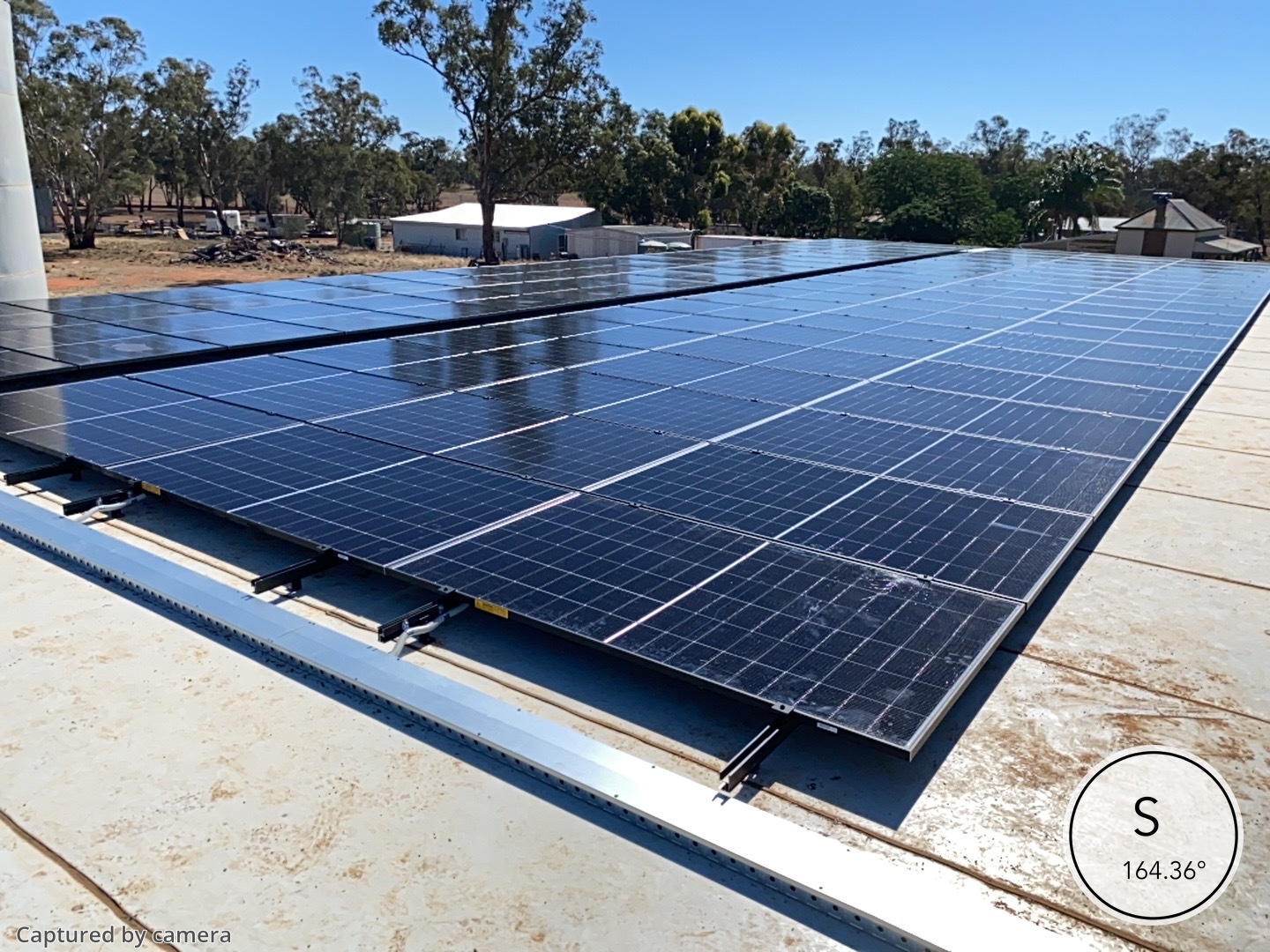
Running a farm or rural workshop means you rely on your tools. Welders, compressors, hoists and pumps are vital for keeping work moving when you are under the gun. At the same time, power costs keep climbing, and in many rural areas the grid can flicker or drop out right when you need it stable. That is where well-designed solar power for machinery sheds can make a big difference.
Heavy tools are not like a few lights and a phone charger. They hit hard when they start, they need steady voltage, and they often run through the middle of the day when you also want to make the most of your solar. Today we will walk through how to plan a solar setup that actually keeps welders, compressors and other high inrush tools running smoothly. We will cover when to look at three-phase, how to keep power quality clean and how to manage loads so your system does not trip out when work ramps up.
Before anyone starts talking about panel counts or battery sizes, you need a clear picture of what you actually run in the shed.
There are two broad types of loads in a workshop: continuous loads and intermittent high demand loads. Continuous loads are the things that tick along in the background, such as lights, fridges, freezers, tool chargers, office IT gear and security systems. Intermittent high demand loads are the heavier-use tools like MIG and TIG welders, plasma cutters, air compressors, pressure pumps, grinders, hoists and water blasters.
The first group does not change much or spike very high. The second group is the problem child. Tools with motors or welding transformers often pull two to six times their normal running current when they start. That short burst is called inrush or surge.
In plain terms, a 3 kW compressor might ask your inverter for something closer to 6 to 12 kW in the split second it kicks over. If the inverter or battery cannot supply that burst, the voltage sags, things flicker and breakers or safety gear can trip. Welders can be just as tough, especially at higher amps or when you strike an arc repeatedly.
Rural workshops also do not run the same way every day. Your usage can swing from long, intense periods to quiet stretches, which changes what the system needs to handle. Common patterns include:
- Busy harvest or shearing seasons, with long hours and constant tool use
- Hot days when compressors and fans work harder and longer
- Quiet days with only light use, followed by big projects
- Random spikes when something breaks and needs urgent repair
The cycle of how long tools run and how often they start shapes how we size both solar and batteries. A shed that runs a large welder for short bursts is very different to one with a big compressor cycling all day for spray work.
If you just throw some kilowatts of panels on the shed roof without thinking about the workshop loads, the system can look good on paper but be painful in real life. Common issues include:
- Inverters tripping when a compressor starts
- Breakers nuisance tripping even though tools are within spec
- Welders refusing to run at full power or cutting out mid-job
- Lights flickering every time a big motor kicks in
A better approach starts with a proper load assessment. At AusPac Solar, when we design solar power for machinery sheds, we look at the nameplate ratings on welders, compressors and motors, but we also consider real-world draw, including start-up surges. We factor in the mix of single-phase and three-phase gear, how many tools might reasonably run together and future plans like EVs, bigger compressors or more machinery.
We also pay attention to where panels and equipment will sit, because rural sheds bring conditions that directly affect output, reliability and service life. For example, you often have:
- Dust and chaff from machinery and grain
- Partial shading from tall gear, silos or nearby trees
- Hot roofs and limited airflow inside the shed
- Long cable runs back to the main switchboard or battery room
Getting the layout right helps keep panels cooler and cleaner, inverters and batteries in better conditions, and cable runs efficient and safe.
Some tools call for three-phase power. This allows for smooth starting, better torque and more reliable running. You will usually want three-phase supply if you have:
- Larger welders
- Big piston or screw air compressors
- Vehicle hoists and heavy pumps
- CNC machines, thicknessers and other serious woodworking gear
Power quality is just as important as voltage level. Many welders and modern electronic tools are fussy. If the voltage dips or bounces around, or if the frequency drifts, they can:
- Trip out or show fault codes
- Produce poor welds or rough cuts
- Overheat motors and shorten their life
There are a few different ways to support good power for these tools, and the best option depends on your site and how you work. Common approaches include:
- Three-phase off-grid systems, where solar, batteries and inverters supply everything
- Hybrid systems, where solar and batteries support a weak rural grid
- Solar with batteries that shave peak currents, so your existing grid connection is not overloaded when big tools start
The right mix depends on how often you run heavy tools, how strong your grid supply is and how important it is to keep working through outages.
Even a strong solar and battery system has limits. Smart load management helps you stay inside those limits without thinking about it all the time.
A simple way to think about it is in layers:
- Priority 1: lights, IT, fridges, security and basic water pumps
- Priority 2: moderate loads like small compressors, fans and power tools
- Priority 3: big hitters like welders, large compressors, hoists and pumps
Staged or priority-based control means the system always protects layer 1 first, then allows higher loads when there is enough power. In practice, that usually means planning work so the heavy loads happen when your system can comfortably support them, and reducing unnecessary starting events that create repeated surge demand.
Some practical strategies that work well in workshops are:
- Doing heavy welding or grinding during the sunniest part of the day
- Using larger air receivers so compressors do not start every couple of minutes
- Fitting soft-start or VFDs to big motors to reduce inrush
- Avoiding starting multiple welders or compressors at the exact same time
Automation makes this easier, because the shed can “self-manage” without you constantly watching meters. Timers, contactors and simple controllers can:
- Block non-essential loads when batteries are low
- Delay starting certain tools by a few seconds so they do not stack
- Alert you through an app if loads are too high or something trips
The idea is to let the system handle the juggling, so you can focus on the job in front of you.
A full off-grid workshop system is like having your own mini power station. It can be a great fit when:
- The nearest power line is far away or unreliable
- You need to keep working even when the grid is out
- You have regular, heavy use of welders, compressors and pumps
Hybrid designs keep the grid but give it a lot of help. They can stabilise voltage, supply extra kick when tools start and cut down generator run time. On weak rural lines this can mean:
- Fewer nuisance trips when a large motor kicks in
- Less stress on old wiring and transformers
- Smoother running for sensitive electronics
Seasonal planning matters too. Many parts of Australia enjoy decent sun year-round, but shorter days and cloud can still slow solar production at times. We plan for:
- Lower solar yield outside peak sunny months
- Higher stress on electronics inside hot sheds
- Busy periods like harvest, shearing or big repair jobs that cannot wait
That usually means sizing batteries and backup so that when you hit a big work period, you are not sitting around waiting for the sun or the grid to behave.
If you are ready to cut running costs and make your shed more self-sufficient, AusPac Solar can design a system tailored to your operation. We assess your site, machinery loads and future plans so your investment in solar power for machinery sheds delivers long-term value. Talk to our team today so we can walk you through practical options, pricing and installation timeframes.


