Request Quote
Thank you! Your submission has been received!
Oops! Something went wrong while submitting the form.

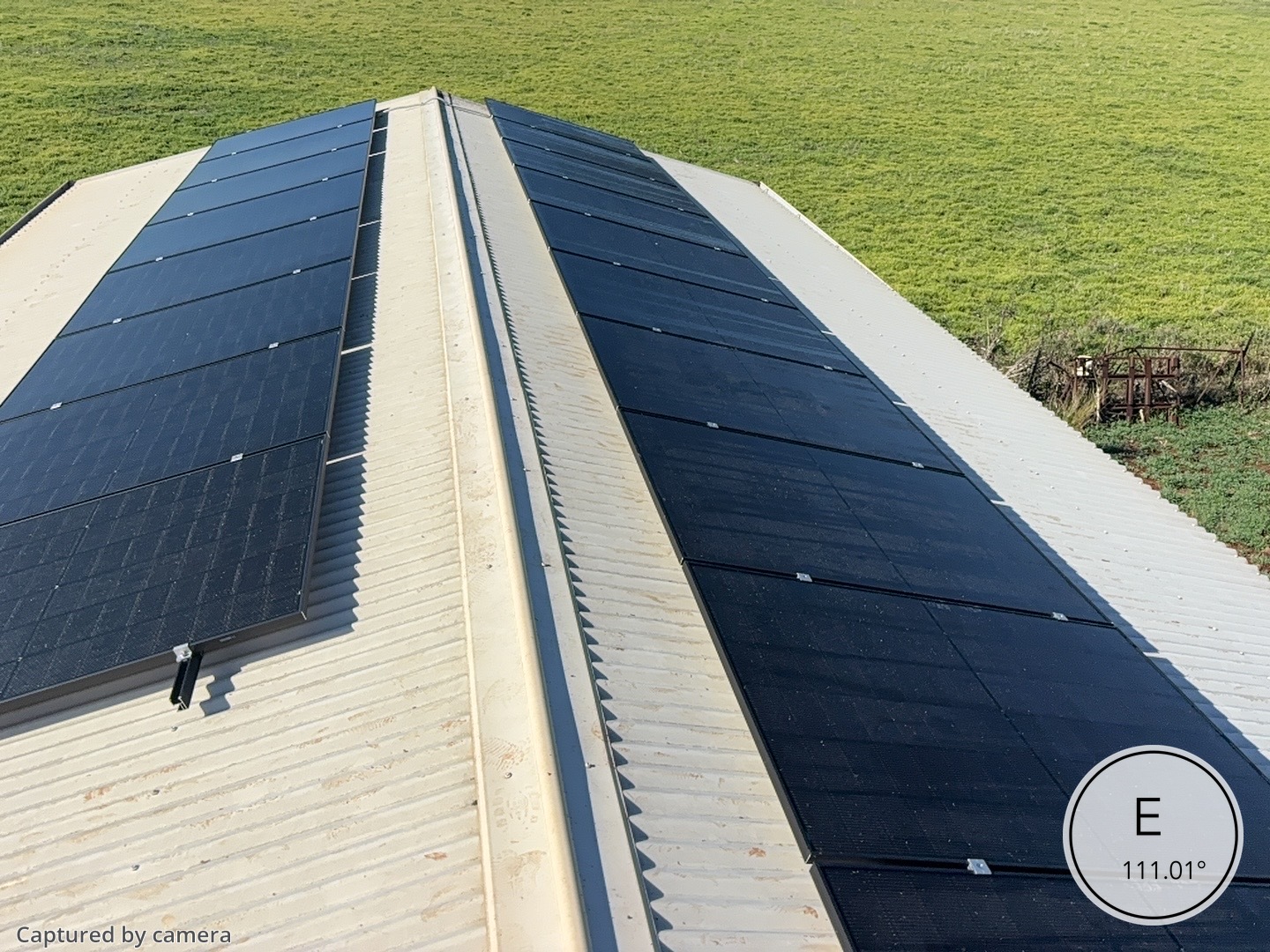
Solar power for machinery sheds on cattle stations sounds simple: big roof, plenty of sun, lots of space. In real life, it is rarely that tidy. Sheds sit a long way from the main switchboard, roofs run the wrong way, dust gets into everything, and storms roll in fast across open country.
The goal is clear though. We want solar that powers welders, pressure pumps, cold rooms and lights, cuts diesel use, and keeps working during heat, dust and storms. To do that, the design has to respect the shed structure, the local wind region, the soil, and the way the station runs day to day.
In this article we walk through the main design challenges for solar power for machinery sheds on cattle stations: tricky shed roofs, dust and corrosion, cyclone-rated mounting, lightning and earthing, and long cable runs with voltage drop. At AusPac Solar we work on off-grid and hybrid systems for rural properties across Australia and the Pacific, so we see these issues up close on many stations.
Most machinery sheds on cattle stations are built for big gear, not for solar. That brings a few common headaches:
We look at three main mounting options for solar power for machinery sheds and match the design to the shed and the station plan.
Flush mounts suit strong roofs with decent orientation and simple access. Tilted frames help when the roof pitch is very shallow, but they add wind load and height, so the shed structure must be checked more carefully. Ground mounts let us aim the array north with the tilt we want, but you need space, fencing, and more care with machinery traffic.
When we assess a shed, we look at:
Panel angle is also a seasonal choice. On many stations, we prefer a moderate tilt that works well through the dry and the build-up, instead of chasing a perfect winter angle. A slightly higher tilt can help panels run cooler and shed dust and bird droppings more easily, which can matter more than a small gain in winter output.
Station sheds are hard places for electrical gear. Red dust drifts under every gap, birds perch on top chords, and machinery exhaust hangs in the roof space. All of this can cut solar output and shorten equipment life.
We respond to that by choosing gear and layouts that are built to cope, including:
Good design also thinks about cleaning and access. Solar power for machinery sheds should not need complicated or risky roof work every few weeks. We try to:
In coastal or high-salinity regions in the north, corrosion risk is higher again. There we pay extra attention to:
The aim is a system that will keep doing its job in heat, dust and humidity, with sensible maintenance that fits into station work, not a fragile setup that only works in suburbia.
Many northern cattle stations sit in higher wind regions where cyclones or severe storms are a real risk. Standard city mounting methods are often not enough for these sheds, especially wide-span structures that catch a lot of wind.
When we design solar power for machinery sheds in these areas, we work within the local wind region and terrain category and match our mounts to the relevant Australian and New Zealand standards. That affects choices like:
Practical wind-ready decisions include:
This kind of engineering is not just paperwork. A well-designed array is more likely to stay put when the late dry storm season hits, and it supports insurance and inspection needs. It also gives you more confidence to get cyclone preparation done early, instead of worrying if the panels will become flying debris.
On open country, a tall shed can look like an easy path for lightning. Good earthing and surge control help protect both people and gear.
Key earthing practices we focus on include:
Long distances are another big factor for solar power for machinery sheds on cattle stations. The shed may sit a long way from the homestead, generator or main switchboard. Long cable runs can create voltage drop, which wastes energy and can upset inverters, pumps or chargers.
To manage that, we:
By bringing the power electronics closer to the array and the machinery, we often cut down on cable size, losses and fault risk, and we get cleaner performance from welders, pumps and other heavy tools.
When all these pieces come together, a machinery shed stops being just storage and turns into a real power hub for the station. Well-designed solar power for machinery sheds can mean:
It is worth looking at your main sheds ahead of the next storm and cyclone season, while there is time to check structures, plan cable runs and think about future bays or extra arrays. Good preparation, careful design and the right hardware can turn that big roof and open yard into a strong, reliable source of power for the whole station.
If you are ready to cut running costs and improve energy reliability on your property, we can design a tailored solar power for machinery sheds solution that suits your operation. Our team at AusPac Solar will assess your site, usage and goals so you only pay for what you actually need. Reach out today and we will guide you through your options, system design and installation timeline. Let us help you turn your machinery shed roof into a hard-working asset that supports your farm or business every day.


