Request Quote
Thank you! Your submission has been received!
Oops! Something went wrong while submitting the form.

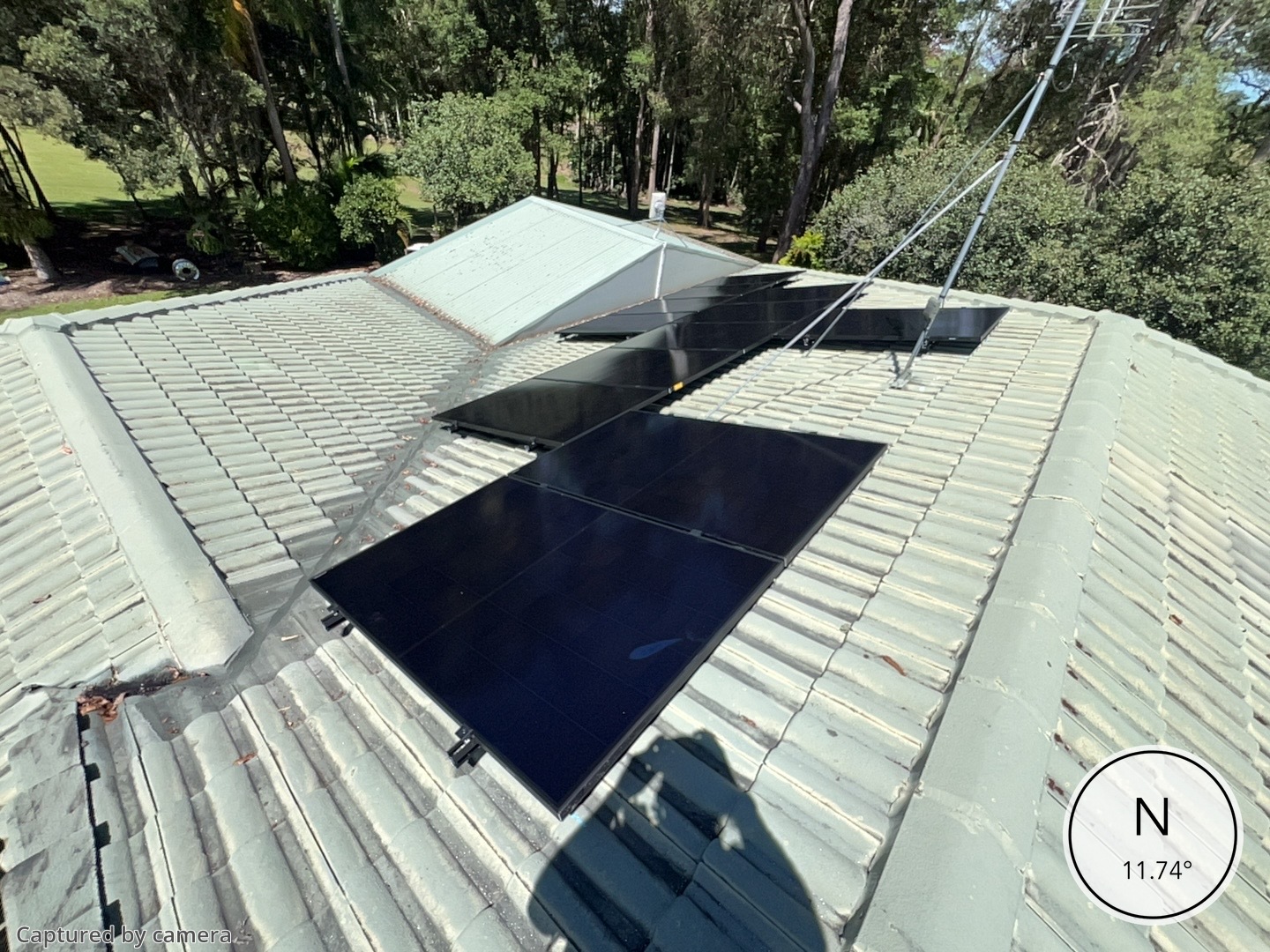
A lot of graziers ask this question after a generator has let them down at the worst possible time.
Not during a quiet week. During a dry run, with stressed cattle and a fuel delivery three days out.
Solar power for bore pumps has moved well past the experimental stage on Australian properties. The real question worth answering is whether it can keep cattle drinking through a hard dry stretch without someone living at the pump shed.
The short answer is yes, if the system is designed properly. Solar bore pumps can significantly cut the risk of cattle running out of water in a drought, but that only holds up when the system is built with adequate storage, realistic flow rates for your country and a sensible backup option.
The sizing question matters more than almost anything else in this decision. A solar bore pump matched properly to your herd, bore yield and head can handle the daily water demand of most cattle operations. The problem is that undersizing is common, and on a remote bore during a dry run, it shows up fast.
On a hot day, cattle drink more than most people expect. Weaners need roughly 30 to 50 litres, dry cows around 50 to 70 litres, and lactating cows and heavy bulls push higher again. For a 300-head mob working on a conservative 60 litres per head, that is 18,000 litres every day. In northern Queensland during a heat wave, experienced graziers routinely add 30 to 50 percent on top of that number, because the last thing you want is to find out your system is short during the worst week of summer.
A well-matched submersible running on around 2 kW of solar can move between 25,000 and 35,000 litres on a good summer day at moderate head. At deeper heads that output drops, which is why bore logs and a proper pumping test matter before anything is designed. As a rough guide:
Getting this right from the start means confirming bore yield and standing water level with a pumping test, calculating peak summer demand with a safety margin, and sizing the pump and panels to meet that daily volume across six to seven good sun hours rather than hoping the system catches up overnight.
Diesel gets water moving. It is familiar, it is available and most properties already have infrastructure built around it. The problem is the ongoing cost, which keeps rising and is harder to control the more remote the property.
Solar bore pumps carry a higher upfront cost than a diesel pump and tank setup. Over a 10-year horizon, that comparison tends to shift. Diesel carries ongoing fuel costs that climb with freight, plus oil, filters, regular servicing and the unpredictable expense of a breakdown at the wrong time of year. Solar, once installed properly, runs on sunlight with only occasional maintenance required.
For most remote bores in Queensland pumping moderate volumes, solar pays back its extra upfront cost somewhere in the middle of that 10-year window. Where diesel is genuinely difficult or expensive to get in, that breakeven often comes sooner.
A practical way to test this against your own numbers: add up last year's diesel, oil and service spend across each bore, then multiply that figure by five and by ten. Those numbers show your forward exposure if nothing changes, and give you a real comparison point against a quoted solar system and its expected service life.
This is the question that comes up most often, and it deserves a straight answer.
Pumps still run in overcast conditions, just at reduced output. A well-designed system accounts for this through some oversizing of the panel array, adequate storage at header points and smart controls that manage draw-down when generation is lower.
The standard approach is to size storage for three to five days of demand for critical mobs. For 300 head at 60 litres per day, that works out to around 72,000 litres. Poly tanks are quick to install and easy to repair. Steel tanks suit larger volumes and last well if properly maintained. Turkey's nests hold big volumes but carry some evaporation and seepage worth factoring in.
Adding basic remote monitoring through pressure switches, float switches and phone or satellite alerts means you know when a system slows down before the cattle do.
For most of the pumping work, yes. Eliminating diesel entirely across a large operation is a more considered decision.
Solar works well on main production bores feeding header tanks, on homestead and shed water, and on transfer pumps supplying outlying troughs. On larger properties, the practical pattern is replacing several standalone diesel bores with a network of solar-powered bores feeding central header tanks, and keeping one mobile diesel pump ready for situations where extra capacity is needed.
That approach cuts fuel runs significantly, reduces hours spent at pumps and improves overall water reliability without removing the safety net entirely. Most graziers who have made this shift still keep diesel on hand for breakdowns, lightning strikes or extended cloudy periods during peak demand. The difference is that they are burning a fraction of what they used to.
There is no general rule requiring a rural property to connect to the grid, and many Queensland and NT properties have operated off-grid for years without issue.
Local council or network regulations can come into play when building new dwellings, doing subdivisions or connecting large loads that could affect the local network. Any off-grid or solar-battery system still needs to be installed by a licensed electrician and meet Australian standards regardless.
Full off-grid is a good fit for many rural properties but not every situation. Properties with easy and affordable grid access, operations running very large power loads, or owners not comfortable managing batteries and basic system health checks may find a hybrid setup more practical. The sensible starting point is mapping current and future loads, comparing full-life costs across grid-connected, hybrid and off-grid options, then stress-testing each against a dry year and tighter margins.
The right system size comes back to your bore, your head and your herd. There is no single answer that works across all properties, which is why a proper site assessment matters before any equipment is specified.
Across Queensland, the NT and WA, cattle properties now running solar as their primary bore pump power source tend to report the same practical lessons. Bigger storage makes daily operations easier and removes the anxiety of a cloudy stretch. Quality cable, solid panel stands and rodent protection prevent most of the faults that lead to unnecessary callouts. Remote monitoring saves long drives to investigate what turns out to be a stuck float switch.
To start building your own picture: list peak summer stock numbers at each watering point, calculate daily demand with a safety margin built in, then take your bore logs and pumping test data to a designer so the pump and panel array can be matched to what the bore can actually deliver.
AusPac Solar works with graziers across Australia to design off-grid and hybrid systems for properties where reliable water and power are a genuine operational requirement.
If you are ready to reduce running costs and put your water supply on more reliable footing, our team will assess your site, walk through your options in plain language and provide a clear, itemised proposal.
Reach out to AusPac Solar today to start planning a solar power for bore pumps system built for your property.


