Request Quote
Thank you! Your submission has been received!
Oops! Something went wrong while submitting the form.

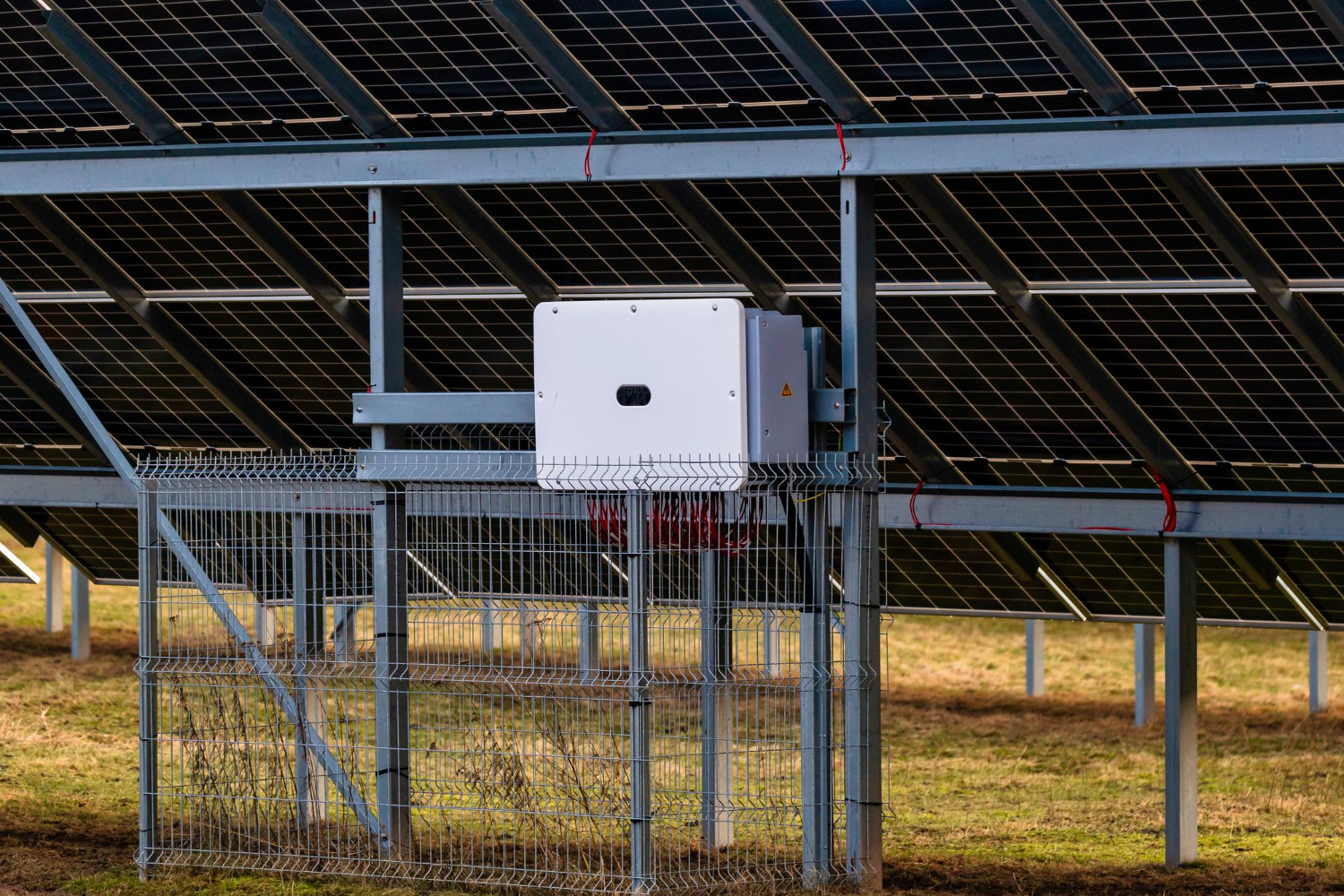
Solar bore pumping gives remote property owners a practical way to keep water moving without relying solely on diesel generators, long grid connections or regular fuel runs. For livestock, homes, gardens, irrigation and business operations, dependable water makes day-to-day work far simpler.
As spring arrives, water demand often starts to rise. Stock drink more, gardens need attention and farm activity picks up after winter. Solar bore pump costs vary, but a system designed around your bore and water needs is a long-term investment in water security. Today we will outline what you need to know about the equipment, site work, storage and ongoing running considerations that shape the overall system scope.
The amount of water you need is one of the first things we consider. A small system filling one stock trough will have very different requirements from a setup supplying several paddocks, a homestead, washdown areas or an irrigation network.
Bore conditions matter just as much. Deeper water, uphill pipe runs and longer distances usually mean the system needs more pumping power.
A typical solar bore pumping system may include:
Rather than choosing equipment by size alone, at AusPac Solar, we match the pump, solar array and water storage to the work the system needs to do.
Before selecting a pump, we recommend working out your daily water demand across the property. Household needs, livestock numbers, trough locations, irrigation areas, gardens, washdown spaces and seasonal changes can all affect the design.
Water storage often provides a sensible alternative to relying on a large battery bank. The system can pump water during daylight hours and store it in tanks for use overnight, during cloudy weather or when demand rises. In many remote settings, stored water is a very handy form of backup.
Common system layouts include:
The right option depends on how much water you need, when you need it and how much interruption your property can tolerate. Bigger is not always better. A well-planned system focuses on reliable delivery, sensible storage and room for future growth.
Installation work can shape solar bore pump costs as much as the equipment itself. The distance between the bore, solar panels, tanks and water points affects trenching, cable runs and pipework. Panel mounting, electrical work and access for lifting equipment may also be part of the project.
Remote sites need careful planning. Difficult tracks, soft ground, steep terrain and limited access can affect transport, labour and the time needed on site. Clear details about your property help us understand the full job from the beginning, rather than designing around assumptions.
Useful additions may include remote monitoring, automatic tank controls, dry-run protection, frost protection and generator integration. These features are not needed on every property, but they can reduce manual checks and help protect the pumping equipment when conditions change.
Tank capacity deserves close attention too. A larger tank can allow more flexibility during overcast periods or when a pump needs servicing. It can also spread water supply across several troughs or water points without forcing the pump to run at every moment of demand.
Diesel pumping involves fuel deliveries, generator servicing, refuelling trips and the time spent checking whether the system is still operating properly. Solar pumping helps reduce dependence on those regular fuel-related tasks by using daylight to move and store water.
For that reason, we encourage property owners to consider the full working life of a system, not only the initial purchase decision. A properly designed solar setup helps reduce ongoing fuel use and gives you more independence from supply trips, generator problems and changing fuel expenses.
Solar equipment still needs attention. Preventative maintenance allows you to spot small issues before they become major problems. Useful regular checks include:
Quality components and professional installation also help reduce avoidable downtime, particularly where the bore is a long way from the main house or workshop.
Bore pumping can be part of a wider off-grid or backup power plan. Properties that rely on a dependable water supply may also need support for household power, farm equipment, refrigeration, communications or business operations during outages. When these needs are considered together, it is easier to plan solar generation, energy storage and generator backup around the way you actually live and work.
In our work across Australia and the Pacific, we see that no two remote properties have the same mix of bore conditions, water use, access and future plans. A tailored assessment should consider bore depth, current pump details, tank capacity, seasonal demand, property layout and whether you may add more troughs, irrigation or power needs later.
Reliable water starts with knowing what your bore can deliver and how your property uses that water through the year. Gathering those details before spring and summer demand builds can make system planning clearer and help avoid a rushed decision when water is needed most.
At AusPac Solar, we can help you understand the factors that influence solar bore pump costs for your property and water needs. Our team will consider your bore depth, water requirements and site conditions to guide a suitable system design. Get in touch and we will help you plan a system built around your property.


