Request Quote
Thank you! Your submission has been received!
Oops! Something went wrong while submitting the form.

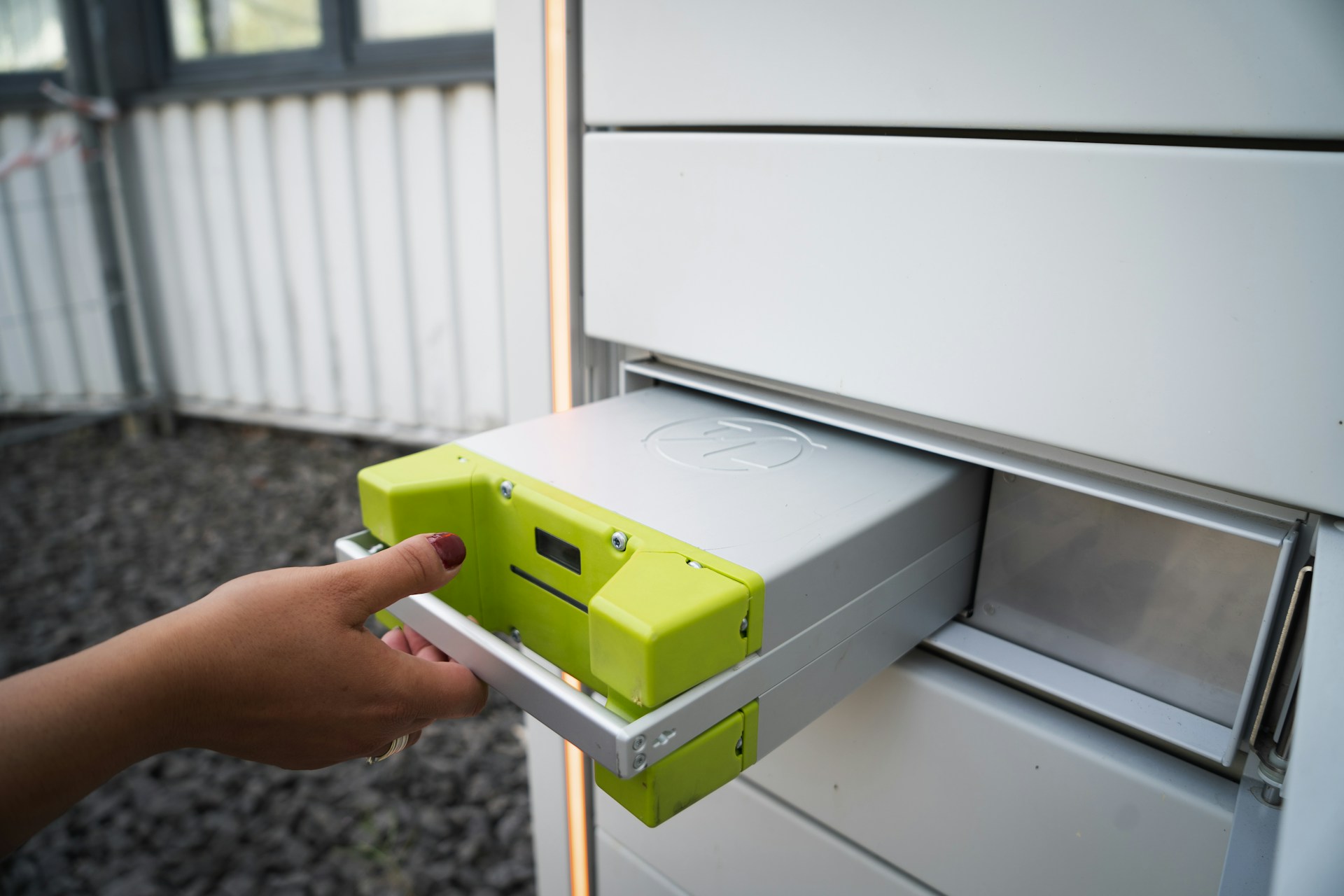
A 48 kWh battery system in Brisbane can give a larger household more control over when and how it uses energy. Planning ahead matters because higher cooling loads, storm activity and busy evening demand can place more pressure on a home’s solar and battery setup.
We usually see this battery size considered by households with bigger daily loads, such as multi-generational homes, properties with a pool, ducted air conditioning, electric vehicles or a strong preference for longer backup power. Still, battery capacity is only one part of the design. We look at your energy use, appliance demand, solar production, backup priorities and how long you want to operate independently. Today we will explain how to determine your energy requirements, battery sizing, solar production and how to get a battery setup that works for you.
When it comes to determining your energy use and peak demand, your electricity bills and smart-meter information are the best starting point. They show how much energy you use over a day, when that energy is used and whether your consumption rises sharply during warmer periods when cooling systems run for longer.
It also helps to compare a mild-weather month with a high-use summer month. A system that looks generous during lower-demand periods may have a very different job to do when air conditioning, pool equipment and extra household activity are all running.
Battery sizing involves two different measurements:
A 48 kWh battery system in Brisbane may suit a home using roughly 25 to 50 kWh each day. The right fit depends on how much daytime solar energy you produce, how much is used after sunset and whether the battery is supporting selected circuits or the whole home.
Note that backup circuit design determines what the battery will support during an outage, while inverter capacity affects which appliances can start and run at the same time.
Large appliances can create a sharp power demand even when total daily energy use seems reasonable. For example, a battery may have plenty of stored kWh remaining, but the system still needs an inverter sized to manage several high-demand appliances operating together. At AusPac Solar, we assess both sides of the equation so capacity and power output work together.
When it comes to backup, some households want a battery to keep a smaller set of priority loads operating during an outage. Others want support for most or all of the home, which calls for more careful planning around appliance use.
Priority circuits often include:
Whole-home backup can include much more, but it also means stored energy can be used quickly. Ducted air conditioning, electric hot water, induction cooktops, pool pumps, EV charging and workshop equipment can all shorten runtime. During a hot evening, even normal household routines may place a heavier load on the battery than expected.
With a 48 kWh battery, many households may have more than a day of backup for carefully managed priority loads. Whole-home backup can be considerably shorter, especially if cooling, cooking or vehicle charging is part of the load. We recommend deciding what must stay on, what can wait and what can be managed around available solar energy.
A larger battery needs enough solar generation to refill it. Without that production, stored energy may be drawn down overnight and then rely on grid charging after cloudy weather or a low-generation day.
Roof space is only part of the picture. We also consider panel direction, shading, roof layout and the amount of solar energy your household uses during daylight hours. If a large share of daytime generation is already being consumed by air conditioning, appliances or pool equipment, less energy will be left to charge the battery.
Brisbane’s sunny conditions can support strong solar production, but seasonal daylight changes and weather still affect daily output. A well-sized solar array and smart controls help make better use of the energy available. This may include directing solar power to the battery after household needs are met, rather than exporting all surplus energy while the battery remains low.
For a 48 kWh battery system in Brisbane, solar and storage should be designed as one working system. A battery that is too large for the available solar array may not recharge as intended. On the other hand, additional solar capacity may give a larger battery more useful work to do across the year.
Smart load control can make a major difference to how long battery energy lasts. Rather than allowing every flexible appliance to run after sunset, we can help plan for suitable loads to operate while solar panels are producing.
Common examples include scheduling hot water heating, pool filtration and EV charging during daylight hours. This leaves more stored battery energy available for the evening, overnight use or a power outage.
Your electricity tariff and feed-in arrangement also deserve attention before finalising a system size. Some households want to reduce evening grid use, while others place more value on backup resilience or greater independence. The best battery design supports your real household goals rather than simply aiming for the biggest storage figure.
Future planning may include modular battery expansion, extra solar panels, EV integration, generator compatibility or additional backup circuits. As a household changes, its electricity needs can change too. A growing family, a new vehicle or more time spent working from home may all influence how a system should be designed.
A professional assessment gives us the information needed to design around your home. At AusPac Solar, we review energy data, major appliance loads, roof conditions, solar production potential and the type of backup you want. Our work includes residential, agricultural, commercial and remote energy applications, with ongoing maintenance support available where needed.
When it comes to planning your solar setup, the practical takeaway is simple: choose battery capacity after you understand your daily use, peak demand, solar recharge potential and backup priorities. A 48 kWh system can be a strong option for a high-use Brisbane home, but it performs best when every part of the energy system is planned to work together.
At AusPac Solar, we can help you assess whether a 48 kWh battery system in Brisbane suits your household’s energy goals. Our team will discuss your usage patterns, essential circuits and available solar generation to provide practical recommendations. Get in touch with our team to arrange a tailored consultation for your home.


