Request Quote
Thank you! Your submission has been received!
Oops! Something went wrong while submitting the form.

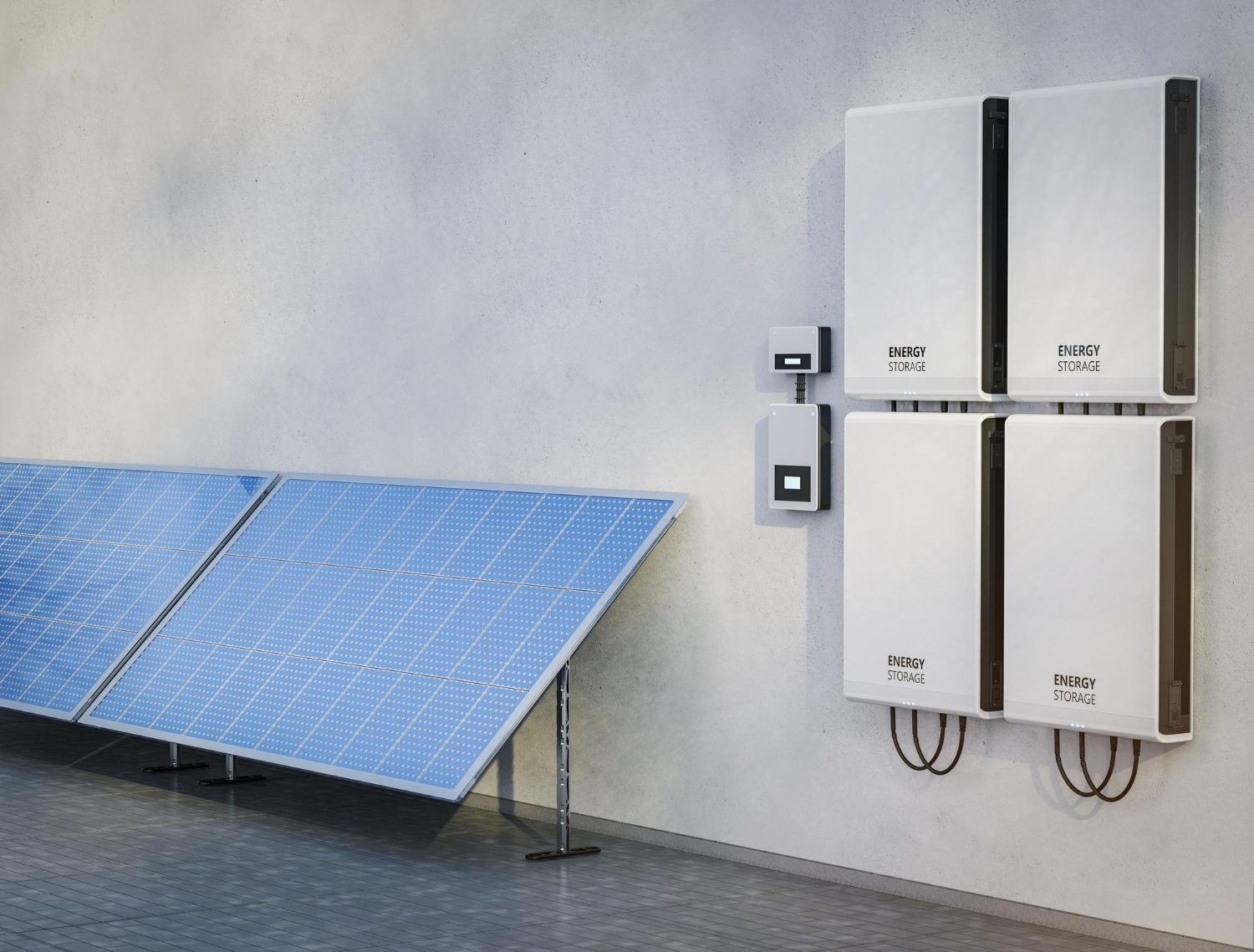
Adding a battery to an existing solar system can make the power your panels produce during the day more useful after sunset. For many Tamworth homes, solar already reduces daytime grid use, but sending excess power away may not be as valuable as using it later for cooking, cooling, lighting and evening routines.
A battery is not automatically the right next step for every home though. We look at your solar output, when your household uses power, your electricity plan, backup expectations and budget before recommending a path. With spring underway and hotter weather ahead, now is also a sensible time to think about greater air conditioning use and the possibility of storm-related outages.
Before adding a battery, we need to understand the system already on your roof and wall. Older solar systems can often be suitable, but they may need extra equipment, updated wiring or an inverter change to support battery storage safely.
A proper review considers:
There are two common retrofit approaches. An AC-coupled battery works alongside your existing solar inverter, which can make it a practical option for established solar systems. A DC-coupled setup may suit a home where we are replacing the inverter or planning a broader solar upgrade.
Before reviewing your options, gather your last 12 months of electricity bills, solar monitoring details and any information you have about your current panels and inverter. That gives a clearer picture of when you import power, how much solar you export and whether a battery is likely to be regularly used.
The biggest battery is not always the best battery. A suitable size depends on what happens in your home from late afternoon through to the next morning, not just how much solar your system makes on a sunny day.
For example, a household where people are home during the day may use more solar directly and need less stored energy overnight. Another home may have busy evenings, regular air conditioning, electric hot water, a pool pump or high overnight use. Those patterns can point to a different battery size and backup design.
When we review the financial side of adding a battery to an existing solar system, we compare the gap between your solar export value and the rate you pay to buy electricity from the grid. Time-of-use plans, expected battery cycling and likely changes in household use also matter. Savings vary, so we avoid broad assumptions and work from your actual bills and usage habits.
A detailed proposal should clearly explain:
Rebates, finance options and eligibility conditions can change. We recommend confirming the current details during the quoting process rather than relying on old information.
A battery that stores solar energy is not necessarily a battery that can power your home during a blackout. For backup to work safely, the battery, inverter and switching equipment need to be designed to isolate your property from the grid when an outage occurs.
The first question is simple: what do you want to keep running? An essential-load setup can support selected circuits, such as lighting, refrigeration, internet equipment, garage access and chosen power points. This approach helps you focus stored energy on the things that matter most during an outage.
Whole-home backup can cover more of the property, but it needs careful planning. Ducted air conditioning, pumps, electric cooking and other high-demand appliances can draw battery power quickly. A larger battery alone may not solve that issue, because the inverter setup and load management also affect what can run at one time.
As Tamworth moves through spring towards hotter weather, a tailored backup plan can help set realistic expectations. Rather than assuming a battery will run everything indefinitely, we work with you to decide which appliances and circuits deserve priority.
Battery retrofits involve more than placing a new unit beside your existing solar equipment. We consider Australian electrical and battery installation requirements, manufacturer specifications, weather exposure, ventilation, access, fire safety clearances and a suitable mounting location.
This matters even more where a home has an older switchboard, limited outdoor wall space or existing equipment that was not originally planned for storage. A thoughtful design can reduce the chance of avoidable changes later and make day-to-day monitoring easier.
Your future plans should also be part of the conversation. If you expect to add an electric vehicle, pool equipment, more air conditioning or other major electrical loads, tell us early. We can then consider whether the proposed battery and inverter arrangement allows room to expand.
After installation, monitoring gives you a practical view of solar generation, battery charge, household consumption and grid use. Ongoing energy maintenance can also help identify faults early and keep the system aligned with changes in how your home uses electricity.
A battery can be a worthwhile addition to existing solar when it matches your household’s solar production, evening use and backup priorities. The right choice is rarely about choosing the largest available unit. It is about storing the right amount of energy and directing it where it will be most useful.
Before summer cooling demand and storm activity increase, review your bills, solar data and the appliances you would want available during an outage. Clear expectations about daily energy use and backup coverage will lead to a battery design that better suits your home.
At AusPac Solar, we can assess your current setup and discuss practical options for adding a battery to an existing solar system. Our team will help you compare storage sizes, backup requirements and compatibility with your existing panels and inverter. Contact us to arrange a tailored assessment and take the next step with confidence.


