Request Quote
Thank you! Your submission has been received!
Oops! Something went wrong while submitting the form.

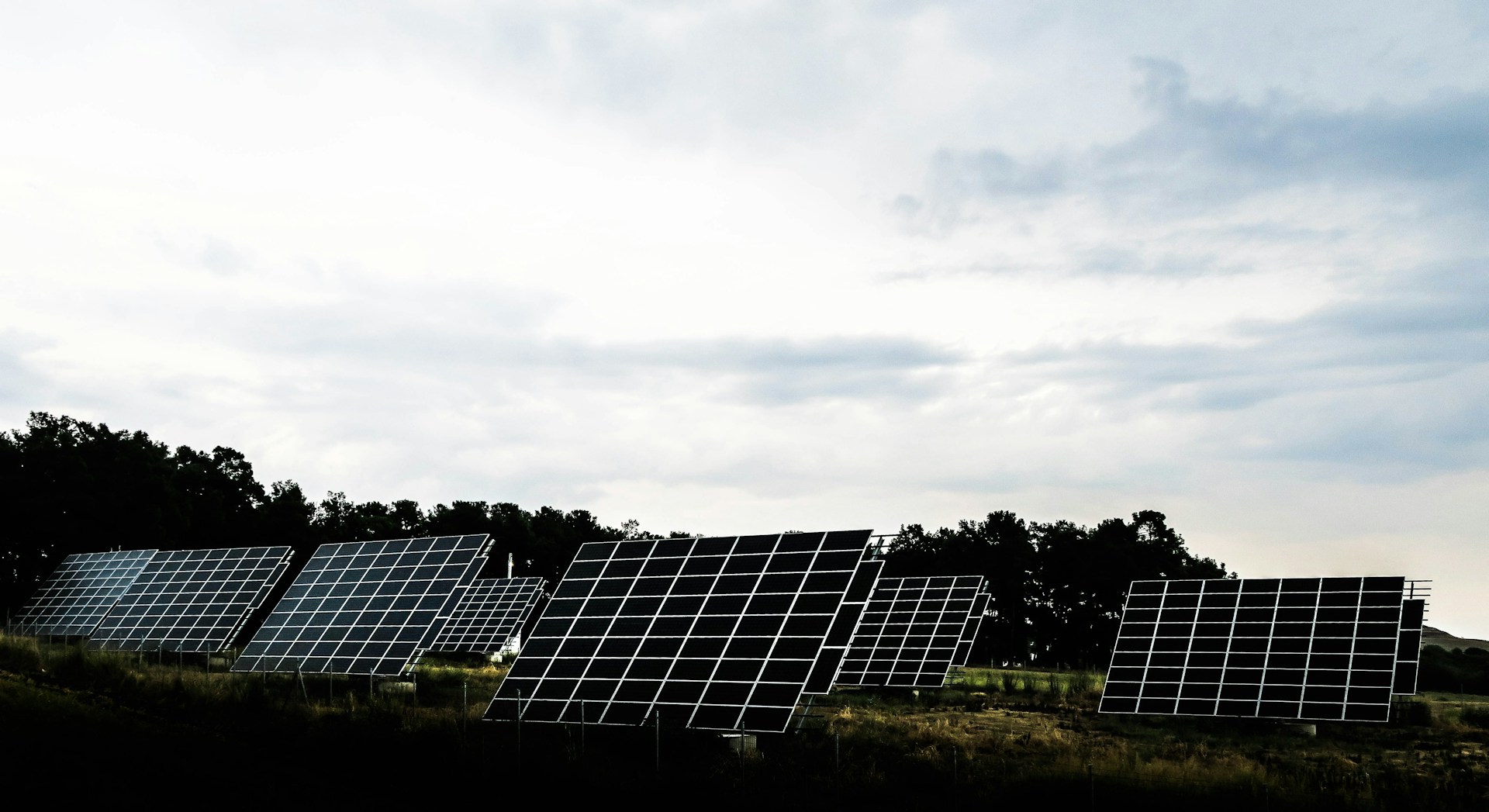
Powering a remote Queensland shed is one of those decisions that sounds straightforward until the quotes start landing. A workshop, machinery bay, cold room or pump shed sitting hundreds of metres from the nearest power pole puts three very different options on the table: grid extension, stand-alone off-grid solar, or a hybrid setup that combines elements of both.
The choice you make locks in your running costs, reliability and maintenance reality for years. Get it right and the shed just works. Get it wrong and you are either bleeding money on network charges or nursing a system that was never properly sized for the job.
This guide works through that decision using practical, real-world factors. Distance to the grid, what you need to run, approvals, storm and bushfire risk, and long-term costs all shape the outcome. By the end, you will have a clear framework for choosing the right solar energy option for your remote Queensland site, backed by the kind of detail that turns a confusing choice into a confident one.
Out on a long driveway or back paddock, a shed can sit hundreds of metres from the nearest power pole. Most owners end up caught between a confronting grid extension quote, a noisy generator that was never meant to be a long-term solution, and a general sense that solar is probably cheaper without quite knowing how to prove it.
The three options that typically sit on the table are grid extension to the shed, stand-alone off-grid solar and batteries with generator backup, and hybrid setups that combine grid power, solar, batteries and sometimes a generator.
The goal of this guide is to give you a practical decision tree so you can work out which path suits your site, your loads and your risk level. That matters more as storm and fire seasons approach, when power for pumps, cold rooms and tools shifts from convenient to critical.
At AusPac Solar, we specialise in off-grid and hybrid systems for farms, rural properties and remote sites across Australia and the Pacific. This kind of decision is our everyday work, and the framework below reflects what we work through with property owners before any equipment is ever specified.
The first branch in your decision tree has nothing to do with inverter brands or panel wattage. It starts with your site and what the shed needs to run.
Grid distance is usually the single biggest factor in whether extending the network makes financial sense.
Up to around 200 metres from an existing supply, grid extension can still stack up, though trenching and switchboard work will add to the final bill. From roughly 200 to 800 metres you are in the grey zone, where both grid and stand-alone solar need proper quotes before you can make a meaningful comparison. Beyond 800 metres, and particularly on multi-kilometre runs, stand-alone or hybrid solar will often come out cheaper and faster than running new poles and wires.
Once you have a handle on distance, map your loads carefully. A useful way to break this down is by category.
Must-run loads cover the equipment that cannot go down: pressure pumps, fridges and freezers, security systems, automatic gates and monitoring gear. Intermittent loads include welders, compressors, high-pressure cleaners, power tools and augers. Seasonal loads bring in shearing gear, harvest handling equipment, irrigation or spray rigs, and any cold rooms that only operate part of the year.
Split those loads into daytime and night-time use as well. Daytime loads align naturally with solar generation. Night-time loads are what drive battery sizing and backup planning.
A few additional site details will shape your system design and your costs.
Roof space, orientation and shading from trees, hills or nearby structures all affect how much solar you can practically install. Heat and dust are worth flagging too, since both affect panel output and inverter performance over time. Access for trucks and installers matters whether you are running solar equipment, trenching cable or bringing in new poles.
Flood, cyclone and bushfire risk around the shed site will influence mounting, cabling and enclosure choices. And if the shed is part of a broader property power plan covering the house, bore, stockyards or staff quarters, that context should be on the table from the start.
Doing this groundwork before you call anyone gives installers and electricians a clear brief and helps ensure the quotes you receive reflect what the job requires.
Grid power is not always the wrong answer. For some sheds in the right location, extending the network is still the most practical path forward.
Grid extension tends to be a good fit when:
The work typically covers design, poles or underground cable runs, transformers where needed, switchboard upgrades and a new meter. Depending on the route, there may also be easements across roads or neighbouring land to sort out before anything gets built.
Once connected, the ongoing costs include daily supply charges regardless of how much power you use, time-of-use tariffs that reward load shifting, possible demand charges for large machinery, and the uncertainty of future tariff changes in regional Queensland.
Network applications, planning checks and the build queue can push a grid extension project further down the calendar than most owners expect. That can mean starting wet season or heading into fire season without power sorted. Rural lines are also exposed to storms, fallen branches and fire, so many owners who do extend the grid still add shed-scale solar and a small battery to keep things running through outages.
The further a shed sits from existing infrastructure, the stronger the case for stand-alone solar becomes.
Off-grid systems are often the right call when:
Solar energy systems for remote Queensland need to account for heat, dust and long bright days. The core components are a solar array sized for hot conditions with headroom for soiling and overcast periods, battery storage sized to cover night-time use and short cloudy runs, and a generator sized to handle welders, compressors and peak loads that would otherwise strain the inverter.
Remote sheds face real weather. Good practice means:
Approvals for stand-alone systems are generally simpler than for grid projects, but electrical compliance is still required and some areas have council checks on top of that.
On the maintenance side, panels need periodic cleaning especially on dusty tracks, battery health needs monitoring, generators need regular servicing so they are ready when called on, and remote monitoring helps catch problems early before they turn into costly site visits.
Hybrid systems combine grid supply, solar, batteries and sometimes a generator. For certain sheds, that layered approach covers more ground than either option alone.
Typical hybrid configurations include:
Hybrid setups suit sheds with strong seasonal swings in usage such as harvest processing or agri-tourism operations, and sites with critical redundancy needs including cold rooms, medication or vaccine storage, stock water pumping, irrigation and security systems.
The equipment mix typically includes solar panels, inverters, multi-mode battery systems, smart controls, a backup generator and the grid connection itself. In regional Queensland, export limits and feed-in tariffs can shift over time, so most well-designed hybrid systems focus on maximising on-site consumption rather than relying on export income.
A good hybrid design leaves room to expand. Extra roof space can be filled later as loads increase, battery capacity can be added without replacing the whole system, and future EV charging or additional machinery can be accommodated without starting the design process again.
All of the factors covered in this guide can be worked through in a straightforward sequence. Rather than weighing everything at once, move through these steps in order.
Working through those four steps with real numbers and a proper site assessment turns what feels like a complicated decision into a clear one.
At AusPac Solar, we design and install off-grid and hybrid systems for farms, rural homes and commercial sites across Queensland and the wider Pacific region. We focus on long-term, reliable power and water security for remote and regional customers, and we are experienced working alongside local electricians and civil crews on difficult sites.
With storm and fire seasons always on the horizon, locking in a clear shed power plan while equipment is available and trades are easier to book is worth doing sooner rather than later.
If your shed sits well off the beaten track, we can design and install a tailored system that keeps it powered reliably through whatever the seasons throw at it. At AusPac Solar, we handle everything from system design through to installation and ongoing support, so you can get on with running your property.
Explore how our solar energy for remote Queensland solutions can cut your bills and reduce dependence on diesel or the grid.


