Request Quote
Thank you! Your submission has been received!
Oops! Something went wrong while submitting the form.

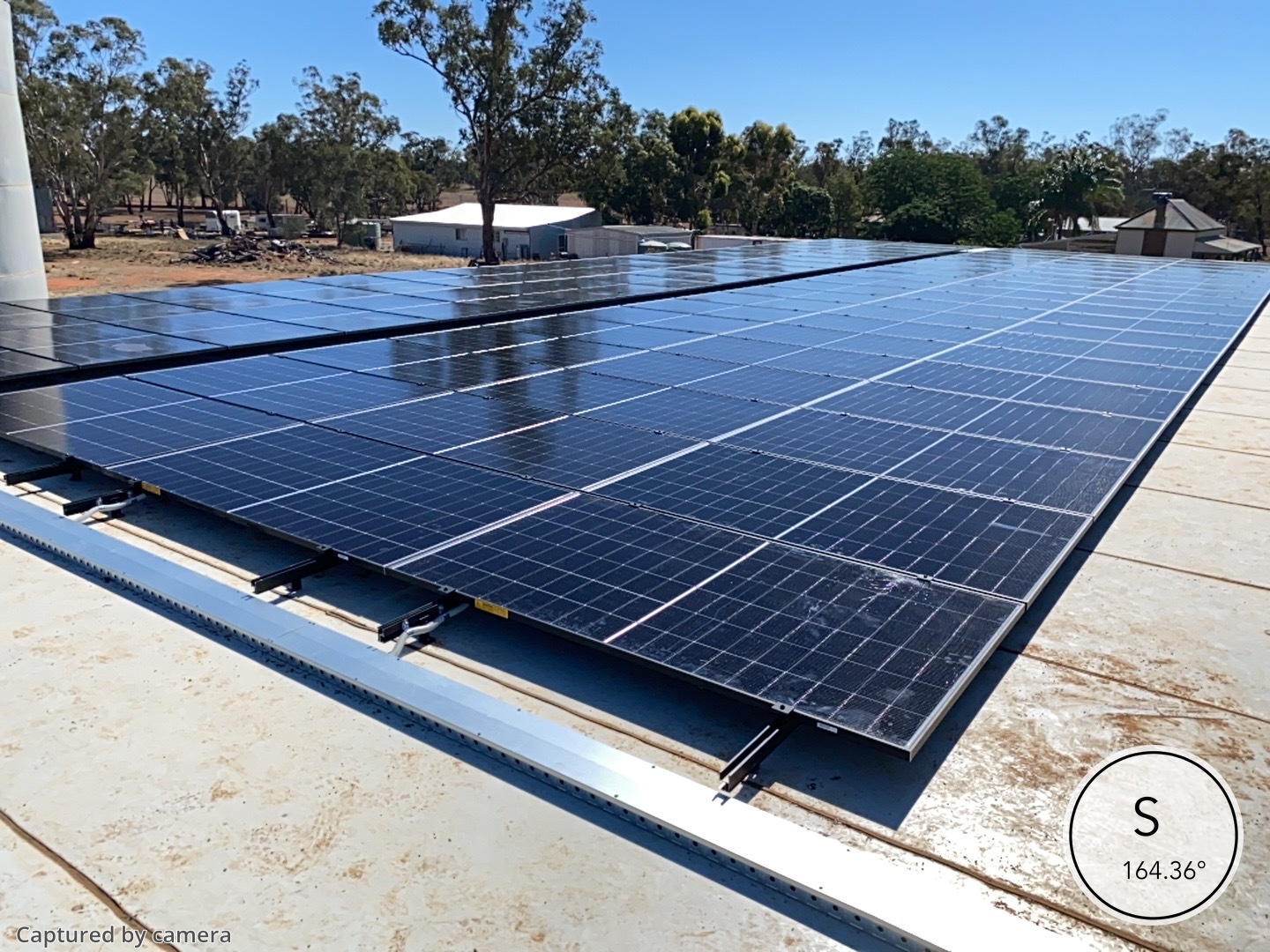
A lot of Queensland sheds are running on noisy generators, patchy power and plenty of guesswork. That means high diesel bills, stressed equipment and a shed that always feels like it is one hot afternoon away from tripping out. It does not have to stay that way.
A simple shed electrification audit is the first step to cleaning this up. When you know exactly what is plugged in, what really needs power and when it runs, you can cut diesel hours, keep pumps and welders steady and get ready for future gear like EVs or automated feed systems. In this guide we walk through a clear checklist, show you an example load table and help you get a realistic feel for the solar and battery size that actually suits your shed before the summer rush begins.
The cooler months in Queensland are a practical time to get on top of shed power, before summer brings higher temperatures, greater water demand and heavier pressure on equipment.
Many rural sheds in Queensland rely on a mix of:
- Pressure and bore pumps
- Cold rooms and fridges
- Workshop tools such as welders and grinders
- Air compressors and feed augers
- Lighting, small office equipment and air conditioning
- Chargers for utes, buggies, batteries and handheld tools
When these loads are not planned properly, the result is long generator run time, frequent fuel deliveries, constant noise and more maintenance than you would like. A structured shed electrification approach helps you:
- Reduce diesel hours without giving up reliability
- Keep sensitive equipment steadier during hot, dusty conditions
- Make better use of solar energy in remote Queensland
- Establish a clear base for upgrades over the next few years
When mapping your setup, the first step is straightforward: walk through the shed with a notebook or tablet in hand and treat it like a stocktake of your power.
Start by sketching a rough floor plan. Mark switchboards and sub-boards, all general power outlets and three-phase outlets, and fixed equipment such as pumps, cool rooms and air compressors. Then list every significant load you see and capture the key details: the appliance name (e.g. bore pump, welder, cool room), quantity, rated watts or kW, any start-up or surge notes (especially for motors and welders), typical hours used on a normal day, seasonal notes about usage amounts, and whether it can be shifted to daylight hours without causing problems.
Next, split your list into two clear groups. Must-run loads are the things that need to stay reliable no matter what. These include bore or pressure pumps for stock and house water, cold rooms and medical or veterinary fridges, security systems and farm communications or internet equipment, and safety and access lighting. Flexible loads are the ones you can move around in time without causing problems. These include battery chargers, most workshop tools, some lighting, non-critical outlets and hobby equipment.
That split is important later when you decide how much battery storage you really need and how much the generator has to cover.
Once the walk-through is done, transfer the information into a simple spreadsheet. This becomes your shed load table. Set up columns for:
- Appliance
- Quantity
- Power rating (W or kW)
- Hours per day
- Days per week
- Estimated kWh per day
For a mixed farming shed in Queensland, your table might have rows like:
- Bore pump, 1 x 1.5 kW, 4 hours per day
- Pressure pump, 1 x 0.75 kW, 3 hours per day
- Cool room, 1 x 2 kW, 8 hours compressor run per day
- Feed auger, 1 x 1.1 kW, 1 hour per day
- Welder, 1 x 5 kW, 1 hour per day, occasional use
- Air compressor, 1 x 2.2 kW, 1 hour per day
- Workshop lighting, LED, 500 W total, 5 hours per day
- Office equipment and small air conditioning, 1 kW, 4 hours per day
Multiply power by hours to get daily kWh for each item, then total the column. Do this for a typical busy day in your peak season. Also note any times where several heavy loads run together. For example, if the welder, air compressor and a pump are usually on at the same time, that sets a peak demand that affects inverter and generator sizing.
Once you see your totals on screen, patterns become clear. You can identify loads that are running far longer than needed, easy targets to shift into the middle of the day and peaks that only happen for short periods. The latter may suit generator backup instead of oversized inverters and batteries.
Your daily kWh total is the starting point for solar sizing. In Queensland there is strong sun across most of the year, so many sheds can cover a large part of their daily use with a well-planned array. You still want some buffer for cloudy spells and the wet, especially if the shed is a long way from town and you rely on it every day.
Battery storage is driven by your must-run list. You are balancing how many hours those critical loads should run on battery without generator help, whether you are comfortable with a short generator run in the early morning on poor weather days, and how deeply you want to cycle the batteries for long life. From there, a battery bank can be sized to cover at least a full night of critical loads, sometimes more, with the generator as a backup, not the first resort.
Inverter capacity is based on your peak kW, plus allowance for motor starting current. Pumps, compressors and welders all draw more when they first start. If that is not allowed for, you end up with tripping, voltage dips and more generator use than you planned. A good design lets these loads run smoothly, while keeping the generator available for very heavy or infrequent tasks.
The benefits for remote Queensland sheds include reduced diesel run time, quieter days in the shed, longer generator life and the ability to plug in new equipment over time without starting from scratch.
Once solar, batteries and a right-sized generator are working together, small changes in how you run loads can reduce diesel hours further. Smart habits include:
- Running pumps, chargers and some machinery in the middle of the day
- Using timers so tanks top up when the sun is high
- Avoid starting multiple big motors at exactly the same moment
- Keep non-critical loads off overnight so batteries focus on must-run items
Basic controls can also stage pump starts or assign priority loads so your system is not overloaded in busy moments. In Queensland sheds you also need to think about heat and dust. Inverters and batteries prefer cooler, cleaner spaces, so many people choose an internal room or insulated corner instead of a hot tin wall. In cyclone-prone regions, mounting and protection for solar and outdoor equipment should be chosen with that weather risk in mind.
To keep it simple, here is a quick shed electrification checklist:
- Walk the shed and list every load, with ratings and locations
- Mark each load as critical or flexible, and note seasonal patterns
- Build your shed load table, work out daily kWh and peak kW
- Decide how much you want to reduce diesel hours and how much backup you need
- Sketch likely spots for solar, batteries, inverters and switchboards
- Note site details like roof orientation, shading, dust, flood risk and cyclone exposure
Once that groundwork is done, you have a clear base to talk through options with an off-grid and hybrid specialist that understands farms, stations and remote commercial sheds. They can help you understand how to make solar energy in remote Queensland work effectively without putting your operation at risk.
If you are ready to cut your power bills and make your home or station more self-sufficient, we are here to help design a system that suits your location and lifestyle. At AusPac Solar, we specialise in practical, reliable solutions for solar energy in remote Queensland. Talk with our team today so we can assess your property, explain your options in plain language and provide a clear, no-obligation quote. Let us help you get the most from the Queensland sun with a system you can rely on year after year.


