Request Quote
Thank you! Your submission has been received!
Oops! Something went wrong while submitting the form.

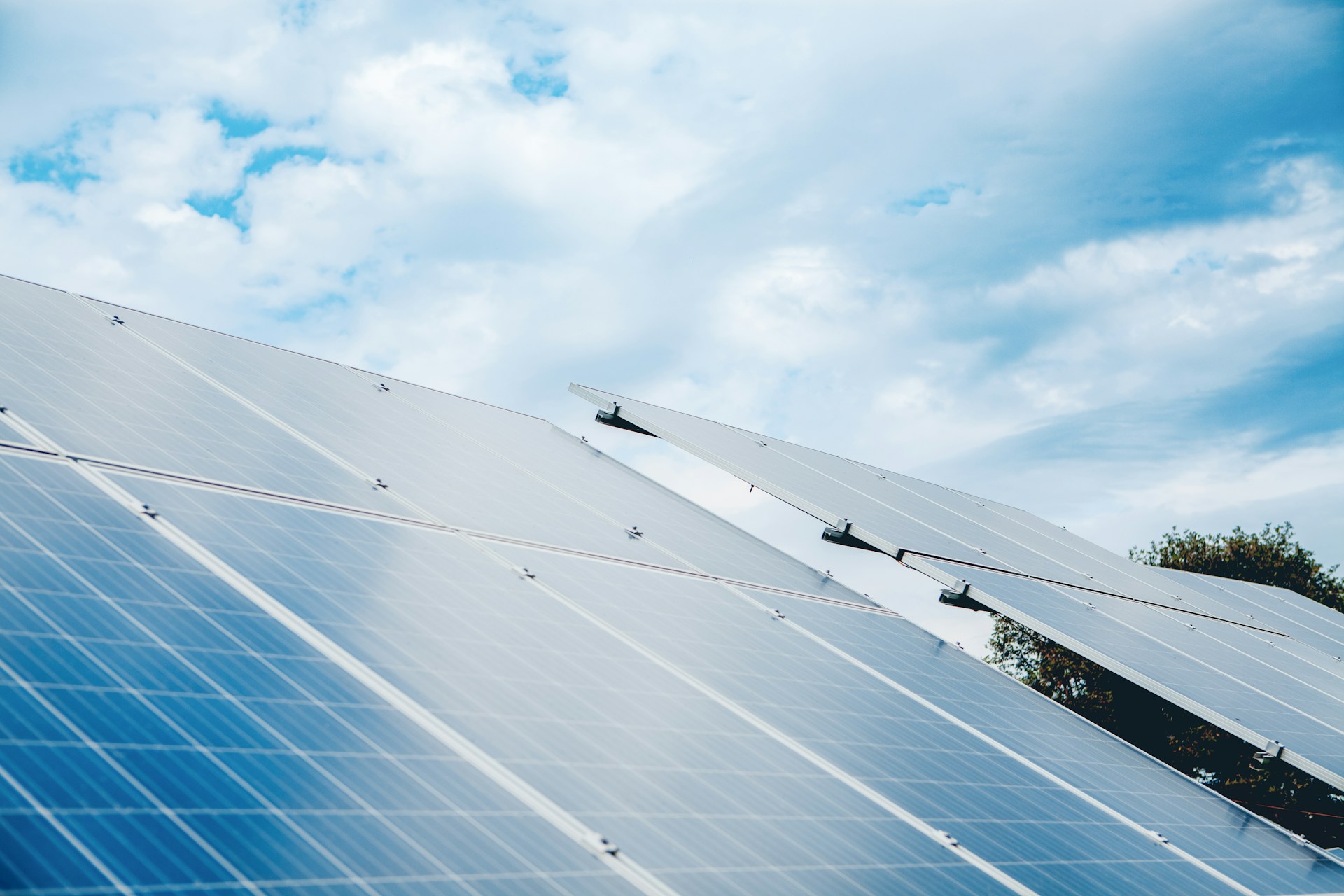
Ground-mounted solar panels can be a practical solution when your roof is too small, shaded, steep or complicated for a solar array. They can also suit farms, larger homes, businesses and remote sites with higher energy needs. Yet the patch of land you choose has a direct effect on how well the system performs for years to come.
Even premium panels, batteries and inverters cannot make up for heavy shade, poor drainage, awkward access or a poorly planned connection point. Because these problems are hard to fix once an array is in place, it pays to look closely at a proposed site before committing to it. At AusPac Solar, we assess sunlight, soil, access, cable runs and room for future equipment before recommending an array position.
A clear view of the sun is the starting point for dependable generation. When we inspect a location for ground-mounted solar panels in Australia, we look beyond what appears sunny at midday. Trees, sheds, silos, fences, neighbouring buildings, hills and even proposed construction can all cast shade across an array.
Shade early or late in the day can reduce useful generation, especially if that is when your property uses power. A young tree may not be a problem today, but it could become one as it grows. Deciduous trees can also create very different conditions once their leaves return in spring and summer.
We recommend reviewing sun exposure at different times of day and considering how it changes through the year. The strongest site is not always the closest open space, but the one with the most consistent solar access.
Array direction and angle matter too. North-facing panels commonly support strong year-round production in Australia. However, an east-west layout may better suit a property with higher morning and afternoon demand. The right choice depends on your daily energy use, the land available and any shading that cannot be avoided.
Open land is not automatically suitable land. A ground-mounted array needs soil and foundations that can support the structure through rain, wind and shifting ground conditions. Before installation, we look at the stability of the site as carefully as its sunshine.
Low-lying areas that collect water can create drainage issues around footings and equipment. Erosion-prone slopes may need added planning to prevent soil movement. Soft ground, rocky ground and exposed positions can also affect how an array is engineered and installed. These conditions do not always stop a project from going ahead, but they can change the design approach.
Drainage deserves close attention. Water should move away from the array rather than pooling beneath it or washing soil away during heavy rain. Ground that stays wet for long periods can also make installation and future servicing harder.
For farms and rural properties, land use matters just as much as ground conditions. Panels should fit around the way your property already works, rather than creating a daily obstacle. We plan around vehicle routes, livestock movement, irrigation lines, storage areas and any likely building expansion. A well-placed system should produce energy without making routine work more difficult.
Getting panels to the site is only part of the access question. Installers need a safe route for machinery, materials and equipment, while the finished system needs practical access for inspections and servicing. A site tucked behind steep ground, narrow gates or rough tracks may add unnecessary difficulty.
Clear space around the array also makes a difference over its working life. Vegetation still needs to be managed, and panels or equipment may need inspection after storms or severe weather. Leaving room to move safely helps us identify and address issues without disturbing the surrounding land.
Security should be part of the plan, particularly on rural, remote and commercial sites. Vehicles, animals and machinery can accidentally damage solar equipment if the area is not clearly separated. Depending on the property, fencing, lockable equipment enclosures and monitoring may be suitable considerations.
An open paddock far from the house may look ideal, but distance comes with its own trade-offs. Long cable runs between the array, switchboard, battery bank and major loads can add complexity to the design. They also need careful planning to manage voltage drop and protect the system.
That is why we view panel placement as part of the whole energy system, not a stand-alone decision. Ground-mounted solar panels in Australia may be paired with batteries, inverters, backup equipment and generators. Each item needs a suitable location that is safe, accessible and protected from the weather.
Thinking ahead can save disruption later. If you plan to add battery storage or increase your system capacity, leave room for that equipment from the beginning. It is also worth considering which loads matter most during an outage, such as water pumps, refrigeration, communications or lighting. A planned backup arrangement can support the parts of your property that need power most.
For homes in regional areas where power reliability is a concern, we encourage a full conversation about battery storage and backup needs before finalising the array location. The placement of panels, batteries and electrical equipment should work together, not compete for space.
A professional site assessment helps prevent avoidable underperformance, construction changes and maintenance headaches. Before committing to a location or clearing land, we recommend assessing sun access, orientation, soil, drainage, access routes, cable distances, current land use and space for future additions.
At AusPac Solar, we design practical solar, battery, off-grid and portable power solutions for homes, farms, businesses and remote sites across Australia and the Pacific. Our approach begins with how your property uses energy and what the site can realistically support.
The right location is one that remains sunny, stable, reachable and practical as your needs change. Taking the time to assess the full site before installation gives your solar system a stronger foundation for reliable energy production.
At AusPac Solar, we help households match system design with the way they use energy now and into the future. Speak with our team about ground-mounted solar panels in Australia and battery options that can support greater energy independence. We will talk through your property, energy goals and practical next steps.


