Request Quote
Thank you! Your submission has been received!
Oops! Something went wrong while submitting the form.

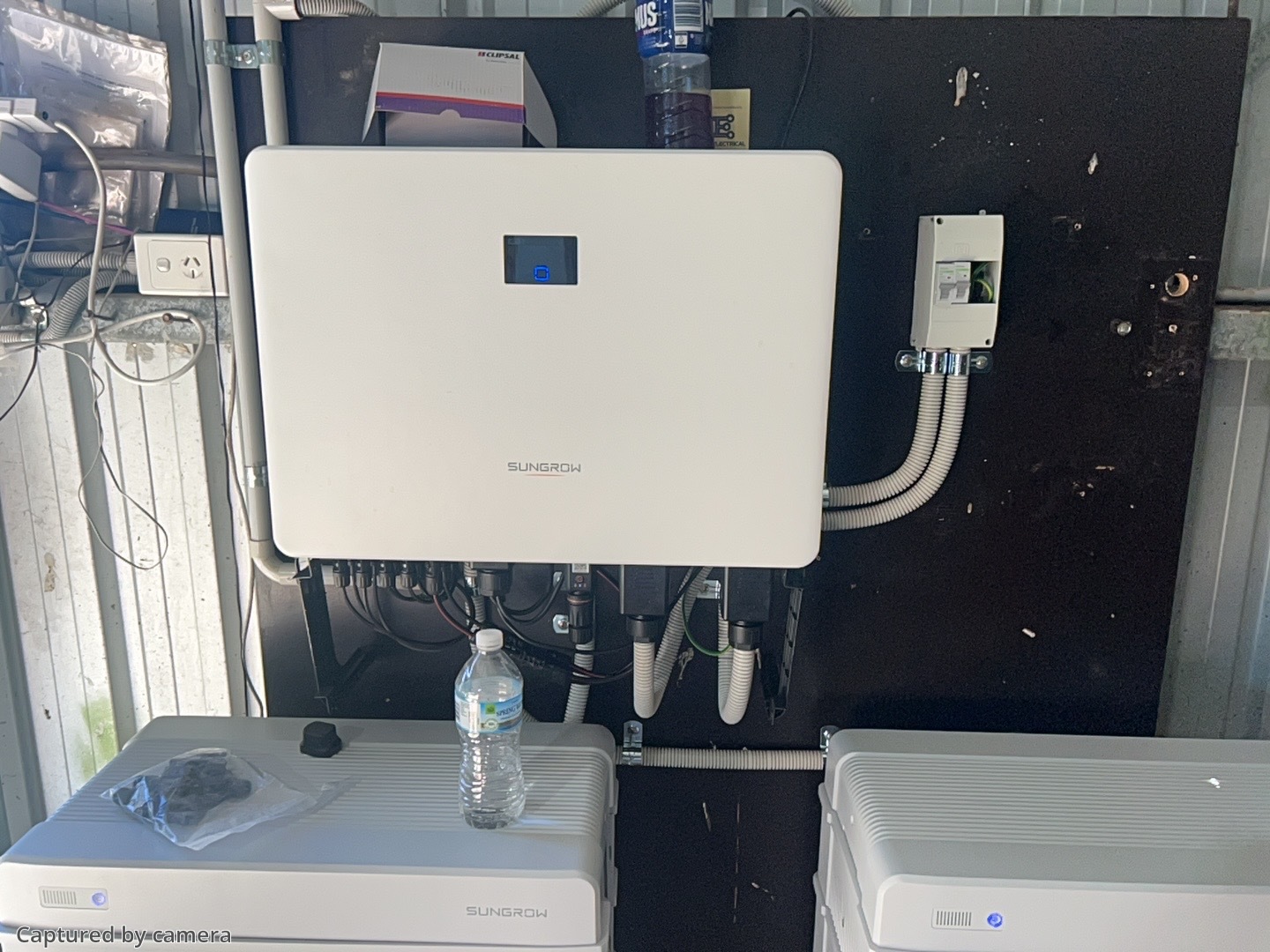
Running cattle a long way from town without strong grid power is tough. When power drops out, it is not just a small hassle. Water stops, cool rooms warm up, comms cut out, and staff are suddenly working blind in the dark. That is a big risk when you are moving mobs, managing calving, or trying to keep troughs full right across the station.
Solar for cattle stations can absolutely run without a backup generator, but it cannot be a “set and forget” setup. It needs a clear backup plan that protects water, livestock, food, and people when the weather turns or something fails. In this guide, we walk through three big pieces of that plan: load-shedding, autonomy days, and a spare-parts strategy, all shaped around real station life in remote Australia and the Pacific.
Before anyone talks about panels or batteries, we need to know what actually runs on your place. That is your load profile. In simple terms, it is a list of everything that uses power, when it runs, and how hard it pulls.
On a cattle station, that usually includes things like:
• Bore pumps and pressure pumps for stock and domestic water
• Cool rooms, fridges, freezers and maybe ice makers
• Yards and shed lights, drafting and crush areas
• Workshop tools, welders and compressors
• Accommodation blocks, office, staff quarters and common areas
To plan solar for cattle stations without a generator, we sort these loads into tiers:
• Life and livestock critical: bore and pressure pumps, water treatment if you have it, UHF and internet gear, medical fridge, basic lighting in key areas.
• Operationally important: cool rooms, office gear, most shed lights, some fans, laundry, kitchen equipment.
• Nice-to-have: AC in some rooms, large power tools, entertainment gear, non-essential appliances.
Once you see it written out, it is clear that not everything needs to stay on when the system is under stress. The aim is to design for “blackout mode”, where the critical tier always keeps running, even if you have to drop other things for a while.
Common traps we see when people skip this step:
• Underestimating how often pumps run when it is dry and cattle are walking the troughs hard.
• Forgetting seasonal peaks like branding, weaning or big yard work weeks where lights, tools and pumps all run together.
• Not allowing for visiting contractors, extra staff and more accommodation loads during busy periods.
A good load map is the base for every smart decision that follows.
Load-shedding sounds harsh, but it is just a plan for what turns off first when batteries run low. There are two parts: automatic and manual.
Automatic load-shedding uses the smarts already built into modern off-grid and hybrid gear. The inverter and controllers can be programmed to:
• Shut off non-essential power points when battery hits a set level
• Drop AC to some buildings at night while keeping fans and lights on
• Limit certain loads so they only run in the middle of the day when solar is strong
Manual load-shedding is where managers and staff follow a simple checklist when they get an alert or see battery dropping. For example:
• Stagger pump schedules so big pumps do not all start together
• Plan heavy workshop jobs for sunny hours, not early morning or late evening
• Keep cool room door openings to a minimum during cloudy runs
• Temporarily switch off non-critical sheds, quarters or camp fridges
A well-set-up solar for cattle stations system can be told which circuits are top priority and which are okay to lose for a bit. The gear can be set so it always tries to protect:
• Stock and domestic water
• UHF, repeaters and internet gear
• Safety lighting at the house, yards and main walkways
The tech side only works if people on the ground know what to do. We like to see:
• Simple laminated checklists near the main board and in the office
• Clear labels on “Shed First” circuits and “never shed” critical lines
• Short training for ringers, managers and camp cooks at the start of the busy season
When everyone knows the plan, a low-battery alarm is just a trigger to follow the steps, not a panic moment.
Autonomy days means how long your batteries can keep the critical tier running with little or no sun. If you are keen to run without a backup generator, this number matters a lot.
The “right” number is not the same for every property. It depends on things like:
• Local weather patterns and how often you get long runs of cloud or dust
• Wet season build-up and monsoonal cloud in the north
• How far you are from town and how quickly help or freight can reach you
More autonomy days means a bigger battery bank. That adds weight and space needs, and it changes the design. But on many remote sites, that can be simpler long term than dealing with fuel, cartage, servicing and noise from a genset.
When we talk through autonomy on cattle stations, we often walk through questions like:
• If there was a week of thick cloud during mustering, what loads absolutely must run every day?
• If smoke or dust cuts output for a few days, can we cut back to emergency mode and still keep cattle watered?
• What happens if you have a fault on a key pump or inverter at the same time as poor solar?
The answers shape a clear picture of risk. From there, we can match the battery design to your animal welfare obligations and your own comfort level with power security.
Good planning does not stop at panels and batteries. For remote stations, a spare-parts and maintenance plan is just as important as the design itself.
We like to think in three levels of spares:
• Critical, station-grade spares that should live on-site at all times, for example:
• At least one spare pressure pump, ready to plumb in
• Spare pump controllers for key bores
• Fuses, breakers and DC isolators that match your system
• Spare power supplies for comms gear and routers
• Important items, which might be kept in a regional centre or held ready by the installer, such as extra inverters, charge controllers and some monitoring gear.
• Non-critical parts that can be ordered if they fail, where a delay is annoying but not a threat to water or safety.
Maintenance ties it all together. A simple yearly or seasonal schedule might include:
• Cleaning panels before big musters or busy periods
• Checking pump flow rates and listening for changes in noise or vibration
• Testing battery health and checking logs for alarms
• Tightening cable terminations and checking earths
• Making sure firmware and monitoring apps are up to date
Logistics matter too. Remote cattle stations often deal with long freight times and harsh storage conditions. It helps to plan:
• Preferred freight hubs and carriers that know your access roads
• Storage spots for spares that are out of direct sun, away from dust and vermin
• Digital and printed system diagrams and part lists, kept in the office and near the main power room
At AusPac Solar, we focus on off-grid and hybrid systems for farms, rural properties and remote businesses across Australia and the Pacific, so we see these spare-parts and planning challenges every day on real sites.
Running solar for cattle stations without a generator is possible, but it takes clear thinking up front. The three big pillars are simple: know your load priorities and shedding rules, pick autonomy days that match your local conditions and risk, and set up a spare-parts and maintenance plan that fits how remote you really are.
The next time you are planning for a busy season, it is worth sitting down with your power logs, pump specs and a clear head. Look for single points-of-failure, confirm what is truly critical for water and safety, and walk through a worst-case week of cloud or equipment trouble. AusPac Solar can help with tailored off-grid and hybrid designs, written backup plans and custom spares kits built for your station and your region, so your cattle, staff and business are protected even when the sun goes missing for a while.
If you are ready to cut diesel costs and make your station more self-sufficient, we are here to help design a system that suits your country and your cattle. At AusPac Solar, we assess your current setup, power demands and future plans so your investment works hard year-round. Learn how our tailored solar for cattle stations solutions can support watering, fencing and homestead power with reliability and clarity from day one.


