Request Quote
Thank you! Your submission has been received!
Oops! Something went wrong while submitting the form.

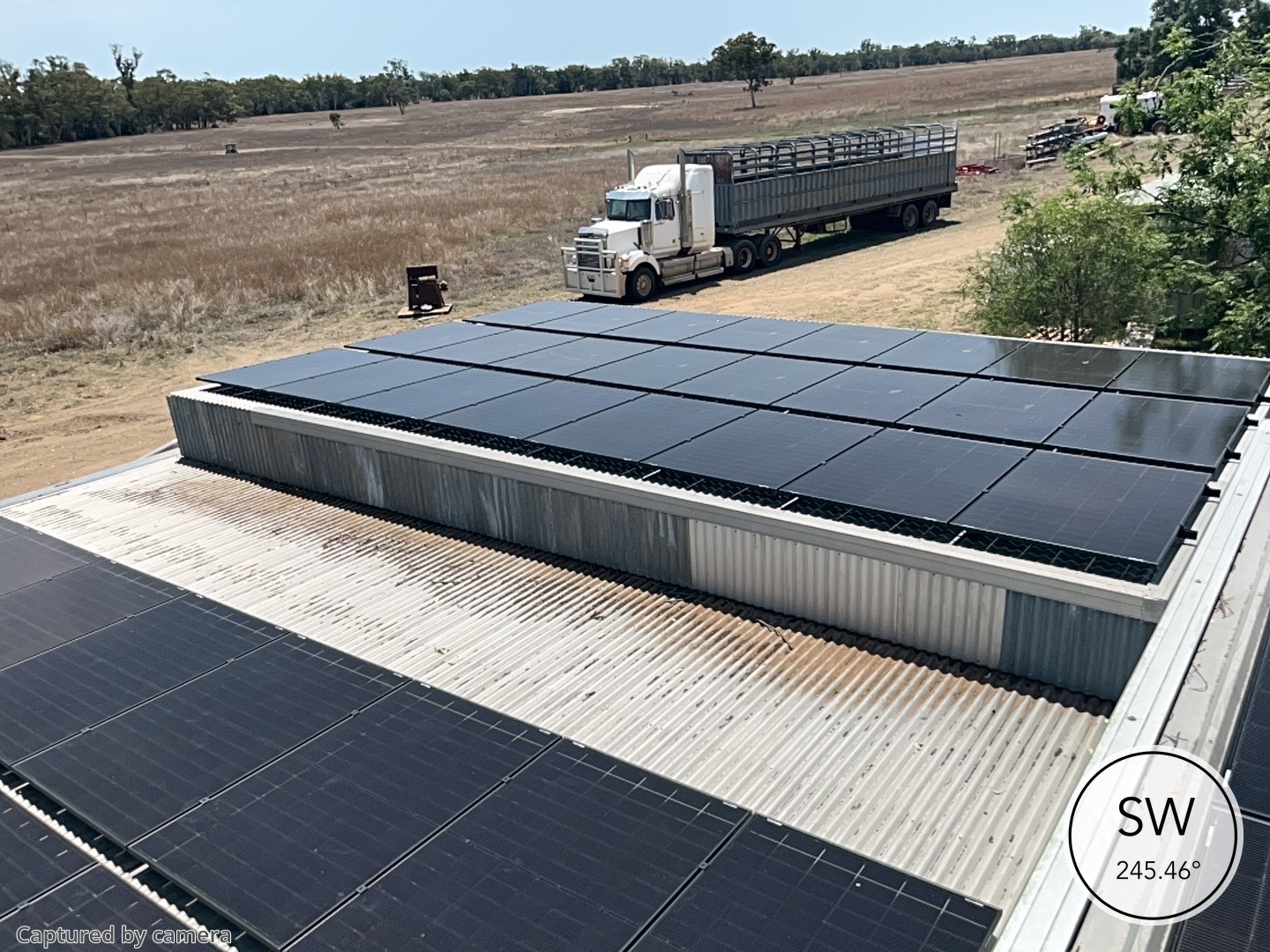
Summer heat pushes farm solar systems harder than any other season. More daylight means more potential power, but it also means pumps running longer, batteries working overtime and equipment operating at maximum capacity right when temperatures peak.
If you rely on solar to keep your farm running, hoping everything holds together through January and February isn't a strategy. Your system needs proper preparation before the heat arrives.
Skipping seasonal maintenance catches farmers off guard every summer. Pumps fail during irrigation cycles. Batteries lose charge faster than they can recover. Output drops right when you need it most. The frustrating part? Most of these problems could have been prevented with checks done weeks earlier.
This guide covers the seasonal maintenance that keeps farm solar systems reliable through summer. We'll walk through which components need attention, when to schedule your checks and the simple habits that prevent breakdowns during your busiest months.
Before hot weather arrives, walk through every component that affects your system's output. Small faults spotted now prevent full failures under peak load later.
Start with your solar panels. Look for cracked glass, warping or anything blocking sunlight: leaf build-up, bird droppings, dust layers. Clear panels deliver full power.
Critical components to inspect:
Don't overlook panel angles. Shifting sun positions and weather wear can throw alignment off gradually. Even slight panel movement reduces summer output right when you need maximum capacity. Panels that look fine from ground level can lose efficiency from subtle misalignment that's only visible up close.
Schedule these inspections during full daylight when problems are easiest to spot and conditions are safest for working at height.
Heat affects solar systems in ways that catch farmers off guard. Longer daylight hours suggest more power generation, but high temperatures actually reduce panel efficiency. Electronics inside inverters and charge controllers struggle to dissipate heat, leading to performance drops or component faults.
Meanwhile, farm power demands increase dramatically. Pumps run extended cycles. Cooling systems operate continuously. Workshop equipment gets used more frequently. When your system isn't properly prepared, these competing pressures create failure points.
The smart timing window: Late spring provides the ideal maintenance period. November or early December offers dry conditions before peak demand arrives. You gain several advantages:
Methodical preparation now means your system handles summer pressure without drama. When temperatures climb and irrigation schedules intensify, reliable power becomes automatic rather than anxious.
Routine seasonal checks prevent summer emergencies. You don't need complete system overhauls when you stay ahead of gradual wear and build-up.
Essential summer preparation tasks:
Building a maintenance rhythm: Schedule check-ins twice yearly during spring and autumn. This timing catches issues before they compound during your busiest seasons. Most problems show early warning signs when you're looking for them regularly.
Keep a simple logbook with dates, readings and observations from each inspection. Note battery voltage levels, inverter runtime hours and any components that needed attention. When you compare this year's readings to last year's, declining patterns become obvious.
A battery bank that held 12.8V at rest last season but only manages 12.4V now signals capacity loss. An inverter that logged two alerts last spring but eight this spring warns of component stress. These trends give you months of lead time to budget for replacements and schedule installations during quiet periods rather than emergency situations.
Summer breakdowns rarely announce themselves clearly. A wire loosened during winter only fails under heavy load. A pump drawing slightly more current shows no obvious fault until it stops mid-cycle. These small oversights become wasted irrigation runs and uneven watering across paddocks.
The stress test: Before irrigation season begins in earnest, run your full load deliberately. Operate pumps, workshop equipment and all lighting simultaneously. Systems that struggle now get attention before heatwaves arrive.
Warning signs that predict trouble:
Why early detection matters: Finding a loose connection or worn relay during testing means a 10-minute fix. Discovering the same problem when pumps should be running means hours of lost irrigation and scrambling for temporary solutions.
Document anything questionable during stress tests, even if it doesn't cause immediate failure. Readings that sit near threshold limits, components running hotter than normal or connections showing minor corrosion all warrant follow-up before conditions worsen.
Tightening a terminal, replacing a fuse or adjusting a setting takes minutes now. The same issue discovered during your critical irrigation window costs hours you can't afford to lose.
Some issues need experienced hands. If your system throws persistent error codes, loses battery capacity rapidly or runs unusually hot during normal operation, professional diagnostics become necessary.
Warning signs that warrant expert assessment:
What professional maintenance covers: Technicians bring specialised equipment that goes well beyond basic inspections. Thermal imaging identifies hot spots in wiring or panels before they fail, while firmware updates optimise inverter performance for your specific setup. Load testing verifies components can handle your actual farm demands rather than just theoretical ratings.
For remote properties, this level of maintenance prevents the weeks of downtime that follow unexpected failures. Parts get ordered correctly the first time, systems get configured for your actual conditions rather than generic settings, and problems get diagnosed accurately instead of through expensive trial and error.
AusPac Solar's maintenance approach: Our technicians service off-grid and semi-off-grid systems across Australia using diagnostic software built for rural conditions. We schedule maintenance visits during your quieter periods and tailor checks to the specific demands your property places on the system.
Planned maintenance means your focus stays on farm operations rather than power reliability. Issues get identified and resolved well before they affect your summer schedule, giving you more time for actual work and less time managing equipment problems.
Q: What month should I do farm solar checks in Australia?
A: Late spring or early summer works best, around November or early December. This timing gives you dry conditions before peak demand hits and enough time to fix issues before irrigation season starts.
Q: Does dirt really affect solar performance that much?
A: Yes. Even thin layers of dust or leaf build-up can block sunlight and drop your output by 15-25%. That loss hits hardest during summer when you're already running at full capacity.
Q: How do I know if my inverter is coping with the summer load?
A: Watch for pump stalling, flickering lights or alarms during midday. These signs usually mean your inverter is hitting its limits and needs attention before it fails completely.
Q: Is battery drainage faster in hot weather?
A: It can be. Heat stresses batteries and increases system draw. Older batteries particularly struggle to hold charge under summer loads, especially when pumps and cooling systems run simultaneously during evening hours.
Summer pushes farm solar systems harder than any other season. More daylight means more potential power, but irrigation demands, cooling loads and continuous daily operations don't ease up.
Planning ahead and following a seasonal routine keeps you ahead of failures. Regular checks protect your system during peak demand periods and prevent costly downtime when you need reliable power most.
AusPac Solar designs and maintains systems built for Australian rural conditions. Our technicians understand the demands farms place on off-grid and semi-off-grid power, and we service properties across the country. If you're ready to enhance your farm's energy resilience, explore how solar power for farms can provide the reliability your operation needs. Contact us today to discuss your system requirements.


