Request Quote
Thank you! Your submission has been received!
Oops! Something went wrong while submitting the form.

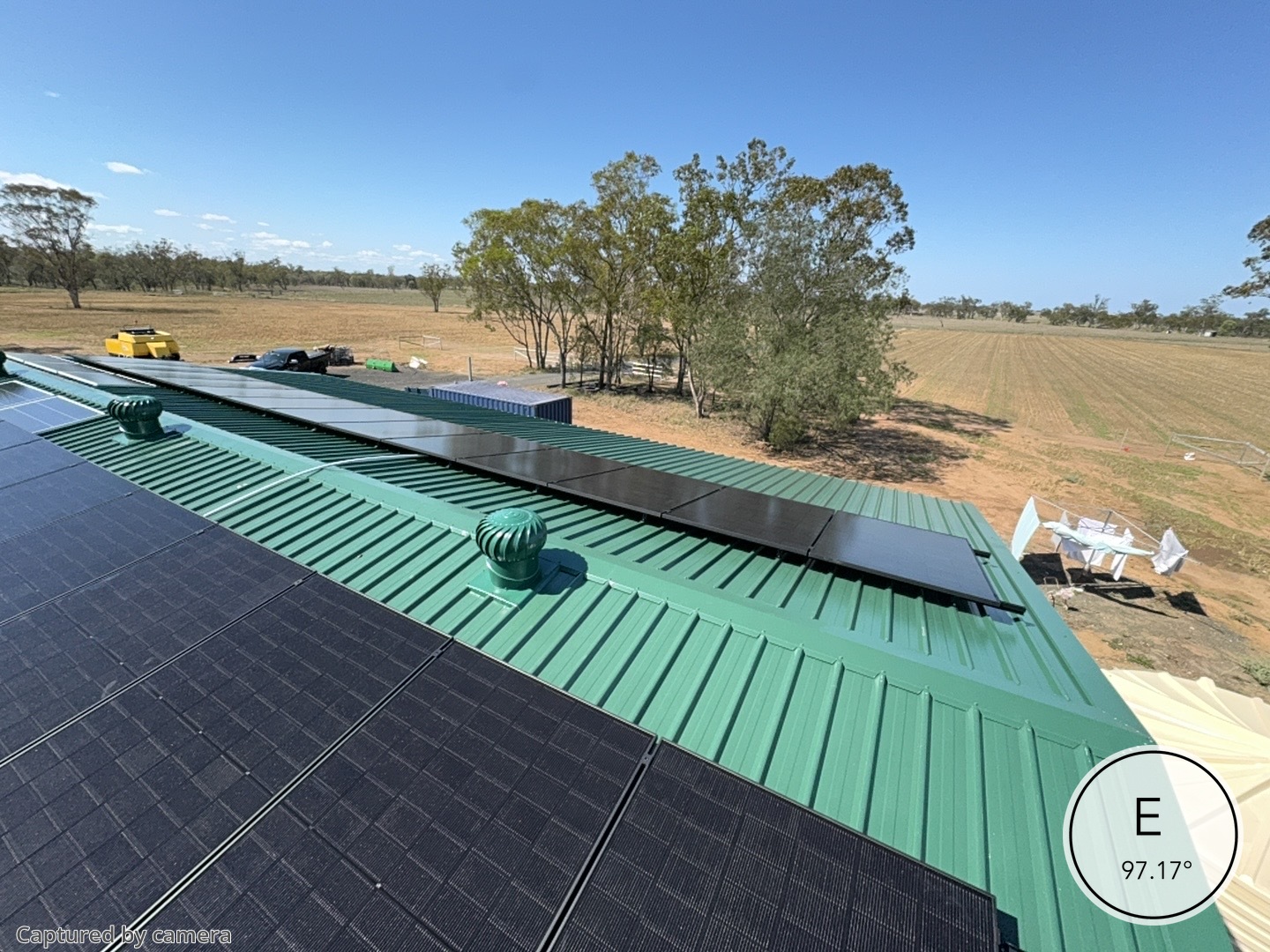
Solar power for machinery sheds sounds simple. Big roof, big sun, problem solved, right? On farms and regional sites, those sheds often have the biggest roof space on the property and some of the biggest power bills, especially around harvest, shearing or busy workshop weeks.
But the truth is, just putting panels on a shed is not enough. If the system is poorly designed, you can still end up leaning on diesel generators or grid top-ups at the worst possible time. Small mistakes in planning, layout and equipment choice can drain performance and leave you wondering why your shed still struggles.
At AusPac Solar, we work with off-grid and hybrid systems across regional Australia and the Pacific, and we see the same design traps again and again. Today we will walk through the four common mistakes that sabotage solar power for machinery sheds and how better design can turn that big roof into a reliable power asset.
The first mistake is starting with the roof instead of starting with the loads. Before talking panels, you need to know what the shed is actually doing all day and all year.
Workshop tools, pumps, fridges and lighting all draw power throughout the day. Each of these has its own pattern. Some run a few minutes at a time. Some tick away all day. Some only fire up during intense periods like harvest, planting, spraying or shearing. Those short, heavy spikes in demand are where many systems fall over. A design that only looks at average kilowatt-hours per day and ignores those peak weeks will feel fine most of the year, then struggle right when you need it most.
After dark use is one trap people overlook. Some machinery sheds see their hardest work after dark, when crews push through evenings to keep jobs moving. If this load is not allowed for, you end up with empty batteries, tripped inverters and more generator run time than you expected.
Another big issue is high inrush and motor start currents. Large motors like augers, large pumps and hoists can pull a surge of power when they start. If the inverter and battery bank are not sized for that surge, the system can trip or shut down even though the total daily usage looks OK on paper. A good design is built around the worst-case start-up combination, not just the average day. Sometimes that also means planning staged starting and smart load control so big loads do not all kick in together.
A large machinery shed roof looks like perfect solar real estate, but the details matter. We often see systems underperform simply because of poor panel placement.
Shading and roof clutter are big culprits. Even small objects can throw long shadows as the sun moves. This can occur with vents, antennas, silos, trees or equipment.
With string systems, partial shading on a few panels can drag down the whole string if the layout and optimisers are not planned carefully. That means a short late afternoon shadow from a silo can hurt your production just when you want power for fans, aeration or workshop tools.
Good design starts with proper shade checks. That might mean drone images, on-roof inspections and shade modelling across the day and seasons. The aim is to place panels where they will actually work well, not just fill every bit of tin.
Orientation and tilt are the next traps. North-facing arrays can be great for overall yield, but east- or west-facing panels can line up better with early morning starts or long hot afternoons. Very low pitch roofs hurt winter and shoulder season output unless you use tilt frames or oversize the array. Flat-mounted panels also collect dust and chaff faster, so some angle helps rain do the cleaning and keeps access safer.
Panels get the attention, but batteries and generators often decide whether your shed feels solid or flaky. A common mistake is treating storage as an afterthought.
With batteries, the trap is looking only at the headline kilowatt-hours, not what you can actually use. Things that matter include:
If the bank is too small, the shed runs short on power during cloudy runs or when long hot spells have fans, fridges and pumps working hard. Placing batteries in dusty, hot corners or near corrosive air does not help either. Rural conditions can be harsh, so batteries need the right enclosure, ventilation and spacing to last.
Generators are the other half of the picture for off-grid or hybrid systems. Solar power for machinery sheds usually still needs a backup plan. Common generator mistakes include:
A better approach is a generator that talks with the solar and battery system. Smart controls can top up batteries efficiently during low solar periods, prioritise critical loads and avoid running the generator at very low load for long periods, which is hard on the engine and wastes fuel.
Machinery sheds rarely stay the same. Over time, operators tend to add more or bigger tools, more pumps, extra staff or charging equipment.
If the original design does not leave space for this growth, upgrades become messy and expensive. It is far better to allow spare inverter capacity, switchboard room and clear sections of roof for extra panels later. A modular approach lets your system grow with your business instead of forcing a full redesign.
Access and safety can be easy to overlook when everyone is focused on kilowatts. Good layouts should make it simple to safely reach:
Regional sheds deal with dust, vermin, moisture and heat. Smart cable routes, sealed conduits, correct mounting heights and decent ventilation all help keep the system reliable and compliant. It is also important that any future changes stay within Australian standards, insurance rules and local network requirements, especially for hybrid setups that mix solar, batteries, generators and the grid.
When you avoid these key design mistakes, solar power for machinery sheds shifts from a nice idea to a dependable workhorse. Thoughtful load profiling, smart array layout, well-sized storage and backup and room for future growth all work together. They help cut diesel use, reduce grid dependence and keep your operation running when it matters most.
If you are planning upgrades before the next busy season, it pays to treat design as seriously as you treat your machinery. At AusPac Solar, we focus on off-grid and hybrid systems for farms, homes and commercial sites, and we see how the right design decisions at the start can save headaches for years to come.
If you are ready to cut running costs and boost reliability in your shed operations, our team at AusPac Solar can design solar power for machinery sheds that suits your property and equipment load. We will assess your site, usage patterns and future plans so your system is sized correctly from day one. Talk with our team today to discuss timeframes, pricing and installation options for your property.


