Request Quote
Thank you! Your submission has been received!
Oops! Something went wrong while submitting the form.

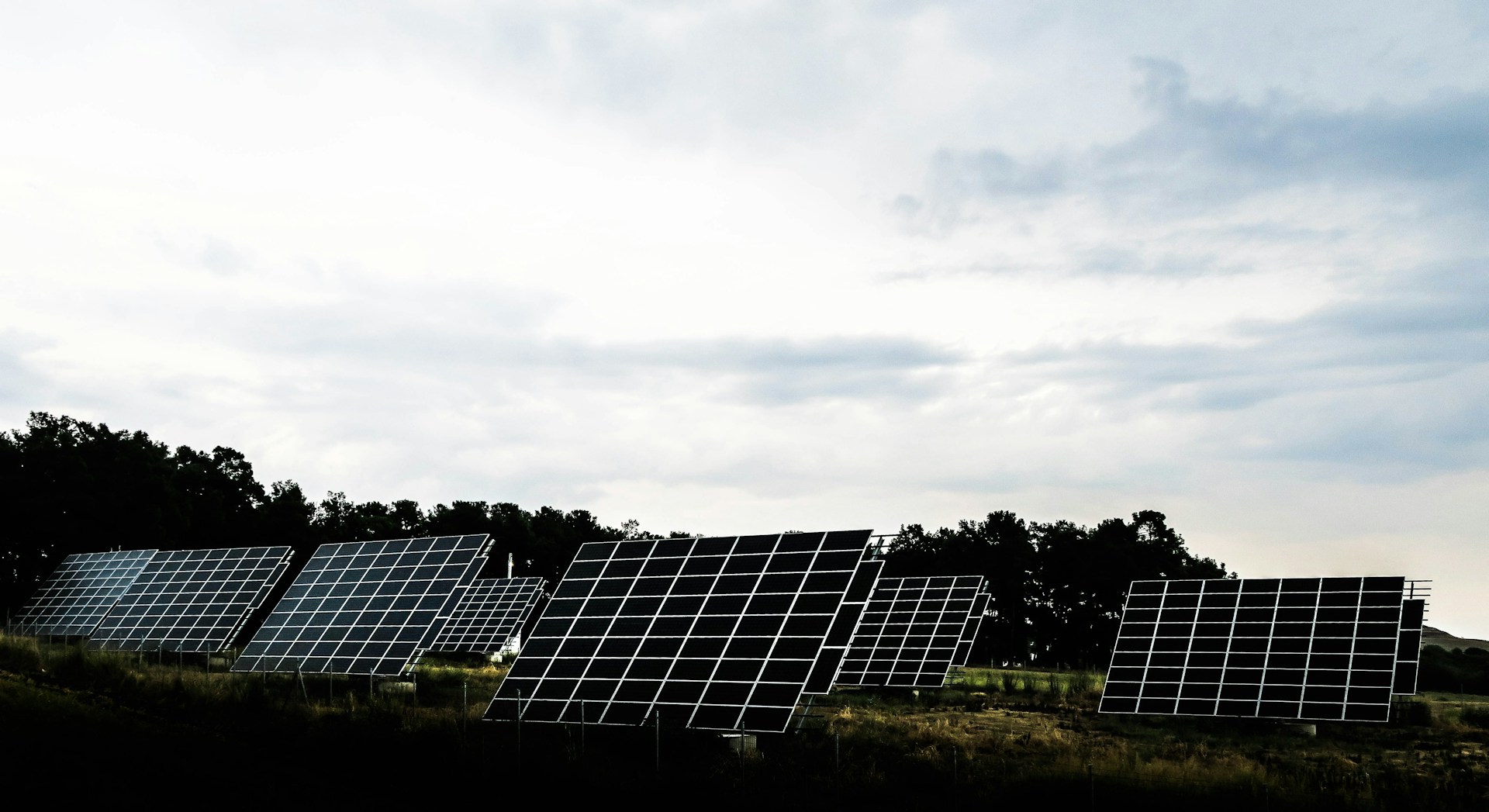
Keeping stock watered and cool in a long dry spell depends on more than the next shower of rain. Once things tighten up, your power system becomes just as important as your pasture. If off-grid power for livestock operations lets you down, the impact shows up fast in your troughs, your yards and your stress levels.
Today we will outline how drought changes your power use, what can go wrong when systems are pushed hard and how smart off-grid and hybrid solar design can keep water and power steady when conditions are at their toughest.
When the paddocks dry off and the days heat up, stock lean heavily on your water system. Every pump, float valve and pressure line depends on reliable power. If that power stops, the whole setup is at risk.
When off-grid power for livestock operations fails in drought, you can see:
Good off-grid and hybrid solar battery systems are built to avoid all that. With the right design, you can keep pumps running, tanks full and refrigeration steady while cutting back on diesel at the time fuel runs and servicing are hardest.
Dry conditions usually mean more power draw. As surface water shrinks and water tables fall, you are often pumping from deeper sources, for longer and to more locations.
Extra power demand in drought often comes from:
Water quality can also drop, which strains pumps, filters and lines. That changes both your daily and seasonal loads, with more early morning and evening operation when you are moving and checking stock.
There is also a timing issue. Hot, dry days are great for solar, but many of your big water and handling loads sit outside peak sun. That makes good battery storage and smart system control very important.
A drought-ready power system starts with a clear view of your loads, especially around water. Before looking at boosting panel numbers, it helps to map out:
From there, the key building blocks for remote livestock systems usually include strong solar arrays, well-sized lithium or lead-carbon batteries, efficient variable-speed drives on pumps and a reliable backup generator for long cloudy stretches or fire events.
Seasonal planning matters too. You need enough generation for low winter sun, but the headroom to meet harsh summer days. That might mean:
It is about designing for your worst realistic week, not just an average day.
One of the biggest wins in dry times comes from shifting from pumping every time a trough drops, to pumping mainly when the sun is out and storing water high. Elevated tanks and header systems let gravity do the work overnight and in bad weather, instead of your batteries and generator.
Some practical options include:
Different pump setups suit different parts of the farm. Surface pumps on dams, deep bore pumps and small solar pump stations at remote tanks can all run well off-grid if they are sized and controlled properly.
The right control setup makes the whole system easier to work with. Simple float switches, pressure controllers, timers and remote monitoring can give you early warning of:
Knowing about a problem before stock start crowding a trough is worth a lot in a dry spell.
Hybrid systems that combine solar, batteries and generators give you the best of both worlds. Solar covers most of your load on good days, batteries carry you through the night and short cloudy spells, and the generator covers key loads when needed.
For livestock operations, those critical loads usually include:
With smart control, the generator only starts when it is really needed. You can set it to:
For remote Australian and Pacific conditions, it also pays to choose gear that copes with heat, dust, vermin and long service intervals. Slightly oversizing key components and allowing for fire-safe layouts can make a big difference when access is limited.
When things are dry, small issues can become big problems in a few hours. Remote monitoring on your off-grid power and water systems lets you see how pumps, batteries and generators are behaving without endless driving and checking.
Steady maintenance will help cut down on issues. A simple dry-season maintenance routine includes:
Working with an installer who understands remote solar and livestock operations means you can get planned servicing, emergency backup and small tweaks as your herd numbers, grazing plan and local climate shift.
The best time to strengthen off-grid power for livestock operations is before the next long hot spell, not during it. Walk through your water and energy setup and look for weak points like single pumps feeding large areas, old generators you do not quite trust, and battery banks that are always right on the edge.
From there, it often makes sense to carry out a farm energy and water review, then roll out upgrades in stages. That might mean sorting core pumps and storage first, then extending solar and batteries to sheds, refrigeration and other parts of your operation as cash flow and any support programs allow.
By planning ahead and building the right mix of solar, storage, smart pumping and backup, you can keep water and power steady for your stock, even when the rain holds off.
If you are ready to cut rising energy costs and keep your water pumps, fencing and sheds supplied with dependable power, we can help design a system tailored to your property. At AusPac Solar, we build practical solutions that match your herd size, infrastructure and growth plans. Learn how our tailored off-grid power for livestock operations can give you more control and resilience, then reach out to our team to start planning your upgrade.


