Request Quote
Thank you! Your submission has been received!
Oops! Something went wrong while submitting the form.

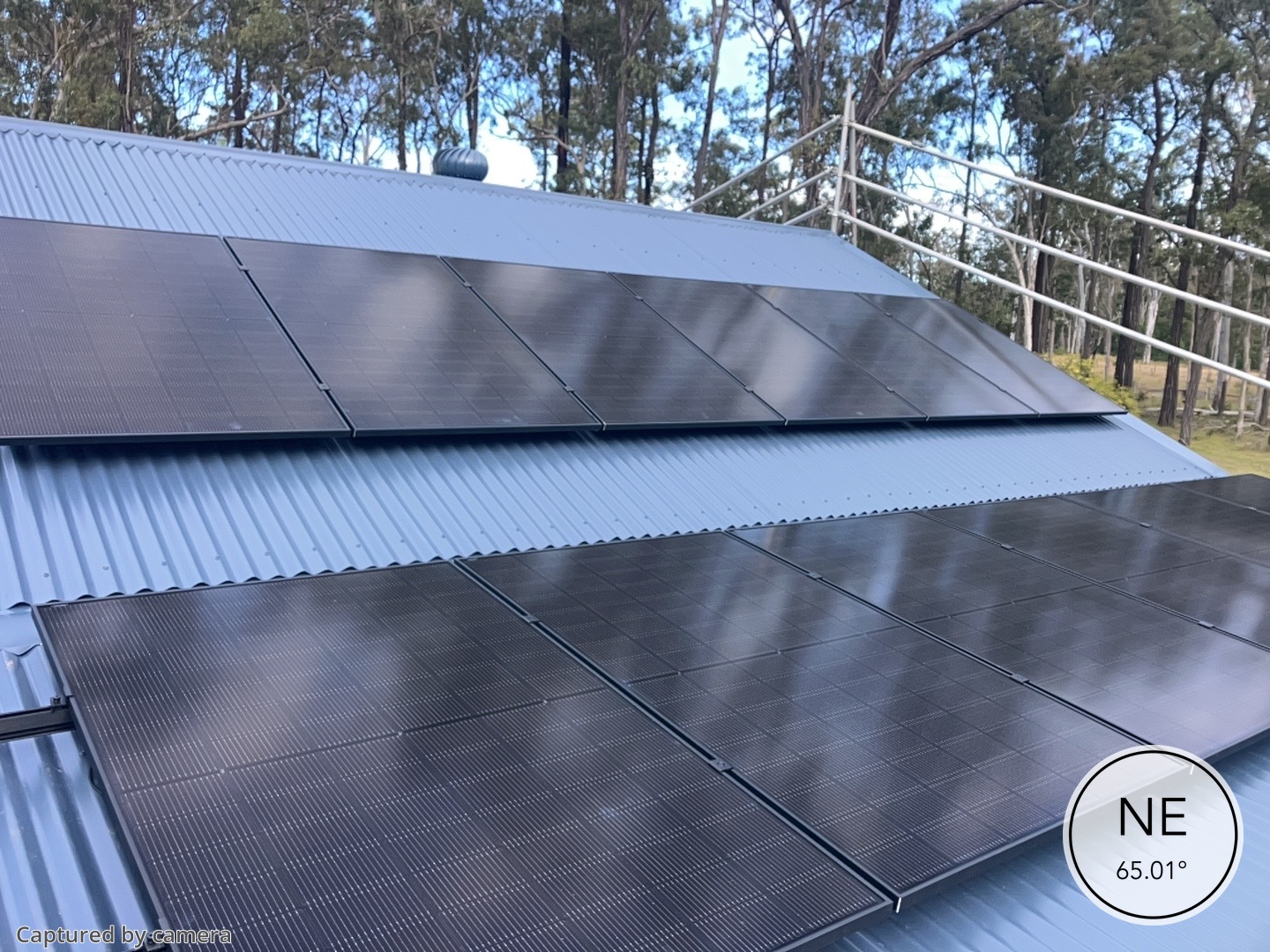
When summer hits hard, solar setups get tested in ways we don’t always plan for. Long daylight hours might sound great for energy generation, but rising temperatures can bring performance to a crawl. If you’re relying on solar power for farms, there’s more pressure during the hotter months. Crops, livestock, machinery, all of it needs steady electricity.
Waiting for something to fail isn’t a choice when you’re running a property. So how do you know if your current system is summer-ready? Here’s how to spot weak spots now, before the January heat does it for you.
Solar panels don’t always perform better just because it’s sunny. The hotter they get, the less efficient they become. On clear days, especially around midday, surface temperatures can soar well past what panels were built to handle.
• Watch output during peak sun hours, this is when they should be strongest
• If numbers are dipping midday, heat could be the cause
• Check airflow under and around your panels
• Look for dirt build-up or poor tilt angle that may block cooling and capture
Panels that are exposed to direct heat with poor ventilation have little chance to cool themselves down, which slows everything down. Making sure air can flow freely is crucial because it helps panels shed heat more efficiently. Panels that have sufficient clearance beneath them tend to perform better in harsh conditions. Also, regular maintenance and light cleaning will ensure maximum efficiency, as dust and grime can increase the temperature and further reduce effectiveness.
High heat can impact your batteries more than you’d expect. When battery banks overheat, they may reduce their output or cut off completely to avoid permanent damage. There’s often no warning before it happens.
• Make sure your batteries aren’t in full sun or sealed garages with no airflow
• Check they’re charging fully by late afternoon
• If you notice faster overnight drain, they may not be keeping a full charge
• Batteries that seem fine in spring might struggle when daily loads increase in summer
Make sure the space where your batteries live stays shaded and well-ventilated through the hottest parts of the day. If batteries frequently get warm to the touch, or you notice power dipping in the evenings, that’s a strong sign their environment isn’t suitable for summer. It may help to reposition batteries or invest in passive cooling options, like ventilation fans, to keep them operating as intended during long heatwaves.
Inverters convert the solar you capture into usable energy for tools, pumps, and appliances. On farms, peak loads often happen mid-afternoon, right when your inverter is working its hardest and the sun is beating down.
• Keep a close eye on any warning lights or error messages between 1 pm and 4 pm
• Look for signs of shutdowns or resets during workshop use or pump cycles
• If you notice power dropping without clear cause, it might be the inverter pulling back from heat
• Make sure you’ve got enough inverter capacity to match your real-world needs
In farm setups, a single inverter might not be enough to spread the heat and workload evenly. More than one, placed across zones, can help carry the weight. In fact, some properties operate different high-load appliances at staggered times throughout the day to help ensure the inverter isn't overloaded. Balance between system design and user habits can mean the difference between smooth running and frustrating downtime.
Most problems show themselves early, but only if you’re watching for them. Summer exposes every corner of a weak system. You might see your battery monitors displaying odd readings, or appliances intermittently shutting off, but many people overlook these signs as one-off glitches.
• Compare your daily output across several hot days, it should stay steady
• If backups like generators are kicking in more than usual, your core system may be falling short
• Watch for these red flags:
• Fans or coolers suddenly switching off
• Water pumps not finishing their cycle
• Tool sheds losing lights or power midway through jobs
• Night batteries running flat before morning
These are usually signs the system isn’t keeping up with long, overlapping loads caused by summer life on a farm. If any of these symptoms appear, it’s worth examining not only your generation numbers but also the timing and intensity of your loads.
For example, if several tools or pieces of equipment operate at the same time each day, you could benefit from shifting some tasks to different hours to ease the stress on your system. Maintaining a logbook of usage and output during summer can help pinpoint exactly when shortfalls are occurring. This can be useful for your own troubleshooting or for sharing with a system designer for targeted improvements.
Q: Can high temperatures really reduce solar panel output?
A: Yes, high heat can reduce efficiency, especially if panels are mounted with poor airflow or left covered in dust. Output loss during hot midday hours is common, and the effect is often greater if the panels aren’t regularly serviced.
Q: How can I tell if my batteries need upgrading before summer?
A: If they drain too fast overnight or don’t reach full charge by day’s end, they may be ageing or undersized for your current load. Summer will expose that quickly, and as the heat increases, so does your risk of running out of storage when you need it most. Observing battery health as summer approaches can save you headaches later.
Q: What should I do if my inverter shuts off during the hottest part of the day?
A: This usually points to overload or overheating. Check your daily use patterns and consider whether the current inverter is large or well-cooled enough to manage peak loads. Sometimes, shifting heavy loads away from peak heat can help, or you may need to increase inverter capacity as your system and farm’s needs grow.
Q: How do I know if my system is sized for summer irrigation loads?
A: Track your water pump runtime and compare it to workshop or household usage. If they often overlap, your system may need better scheduling or a capacity increase. Reviewing usage logs from previous summers is one practical way to assess whether your system has met or struggled with irrigation demands.
Modern farm solar systems require more than just the right parts. They need design, installation, and ongoing maintenance tailored for harsh Australian environments. We specialise in custom off-grid, semi-off-grid, and grid-connected solutions built for rural and remote properties, with site-specific advice available to help you adapt your setup before problems strike.
Staying ready for the heat is about more than a seasonal check. With quality support, long-term battery options, and smart system sizing, you protect your investment and keep daily life running smoothly year after year. Keeping careful records and maintaining your system can make sure every summer runs more smoothly than the last, making you better prepared for whatever climate conditions come your way.
Ready to fortify your farm's energy resilience against the harsh Australian summers? With AusPac Solar, you can ensure your setup remains robust and reliable all season long. Discover how to optimize your energy solutions with solar power for farms designed to withstand extreme conditions. Get started today and see the difference in productivity and peace of mind.


