Request Quote
Thank you! Your submission has been received!
Oops! Something went wrong while submitting the form.

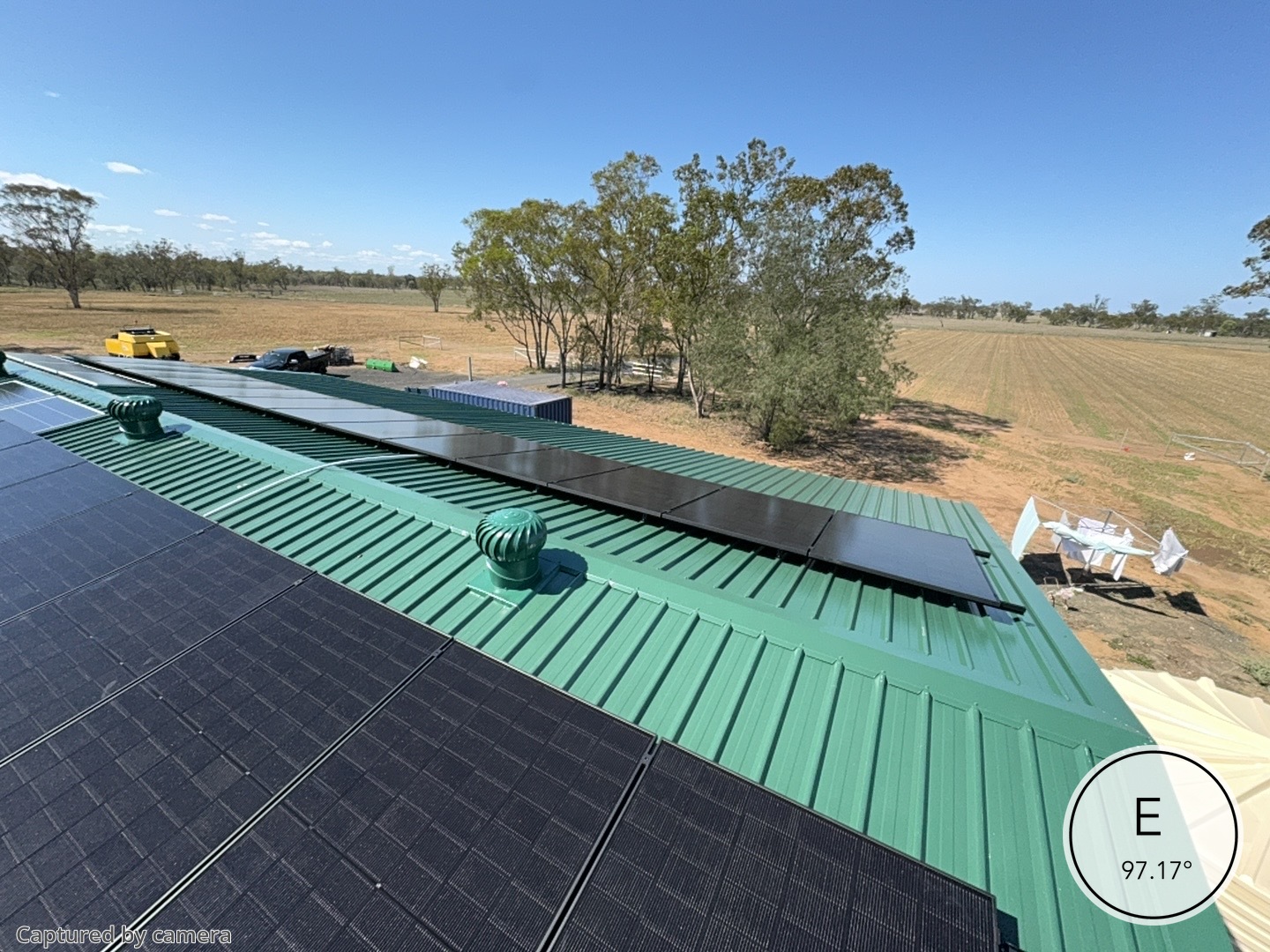
Autumn shifts how your solar system operates, even when everything's working properly.
Shorter days mean different charging patterns. Sun angles change. Your daily power routines adjust to cooler mornings and earlier evenings.
A few simple checks now help your system adapt smoothly to these seasonal changes. Most involve quick visual inspections and minor adjustments that take less time than a full equipment service.
This guide covers practical seasonal maintenance that keeps your farm solar performing well through autumn. We'll walk through which components benefit from attention, timing that works with farm schedules, and straightforward adjustments that match your system to shifting conditions.
Late summer leaves its mark on farm solar equipment. Batteries and inverters that worked hard through months of heat may show signs of wear. Dust settles thick across panels after dry weeks, creating a film that quietly reduces how much sunlight converts to power.
Heading into autumn, your power patterns shift too:
Meanwhile, your panels are generating power across fewer daylight hours than they did in December.
These seasonal transitions don't usually cause dramatic failures. Instead, you might notice your battery reserve running lower by evening, or backup systems activating slightly more often. Small signs that your system's working harder to meet the same demands it handled easily a few months ago.
A quick check now helps smooth this transition before cooler weather arrives and outdoor maintenance becomes less appealing.
Most seasonal issues show up as small performance shifts rather than complete breakdowns. Your system keeps running, but not quite as smoothly as it did a few months back.
Watch for these patterns:
If backup kicks in at 7pm instead of 10pm, or starts during daylight hours when it rarely did before, your system's telling you something. These patterns suggest it's time for a seasonal check.
Start with panel cleaning. Late summer dust settles thick across rural Australia, and even a light film blocks more sunlight than you'd expect. While you're up there, check your battery area. Make sure vents aren't blocked and airflow stays clear.
Adjust your usage timing where possible:
Test your backup sources now, whether that's grid connection or a generator. You want to know they're working properly before autumn nights start stretching your battery capacity.
Autumn brings different power demands across most farms. You'll need more early morning lighting as sunrise comes later. Workshop and shed equipment gets heavier use as outdoor work shifts indoors. Heating systems may start running occasionally on colder mornings.
Your panels face different sun angles now too. As daylight patterns shift through autumn, adjusting panel tilt can improve collection during shorter days. Even small angle changes help capture more light when charging windows shrink.
Key adjustments worth checking:
Most systems don't need new equipment. They just need small tweaks that match changing conditions. These adjustments keep your solar power reliable even as daylight shrinks and farm routines shift with the season.
Q: Why does my farm solar system feel less powerful at the end of summer?
A: High temperatures reduce panel and battery efficiency, and dust buildup limits how much sunlight reaches the panels. Even with strong sun, heat and grime can lower usable power output toward the beginning of autumn.
Q: Do solar panels produce less power in autumn?
A: Yes. Shorter days and lower sun angles mean panels generate less energy overall, even though cooler temperatures help efficiency. This reduces charging time and makes load timing more important.
Q: Do I need new solar equipment for autumn on my farm?
A: Most farms do not need new equipment. Seasonal adjustments like cleaning panels, checking ventilation, adjusting panel angles, and reviewing inverter or battery settings are usually enough.
Q: Why is my backup power switching on more often lately?
A: Backup systems activate more often when batteries are not fully charging during the day. This can be caused by heat stress, dust on panels, or increased evening energy use as daylight shortens.
Q: Should I change how I use power on the farm during autumn?
A: Yes. Shifting heavy power use to daylight hours helps reduce overnight battery drain and improves system reliability as days become shorter.
Q: Can solar power for farms handle seasonal weather changes?
A: Solar systems handle seasonal changes well when they are maintained and adjusted regularly. Farms that adapt usage patterns and perform seasonal checks maintain reliable power year-round.
Q: When is the best time to prepare a farm solar system for autumn?
A: Late summer or the beginning of autumn is ideal as it allows time to address efficiency issues before shorter days and cooler mornings increase demand on batteries and backup systems.
Autumn brings real shifts to how solar systems perform. Shorter days, different sun angles, and changing power demands all affect daily operation. A few simple checks now help your system adapt smoothly instead of struggling through the transition.
Clean panels, clear vents and properly adjusted equipment carry your system through seasonal changes without drama. Most farms don't need new gear, just small maintenance steps that match existing setups to shifting conditions.
AusPac Solar designs and maintains off-grid systems built for Australia's rural conditions. Our technicians understand how seasonal changes affect farm solar performance, and we service properties across remote and regional areas. If your system needs seasonal adjustments or a professional health check, we're here to help keep your power reliable year-round. Contact us today to discuss your solar power for farms setup.


