Request Quote
Thank you! Your submission has been received!
Oops! Something went wrong while submitting the form.

High winds are a real concern across rural, coastal and cyclone-prone parts of Australia and the Pacific. When a solar structure is poorly suited to its surroundings, strong gusts can turn an energy asset into an operational risk for your home, farm or business.
Panels are only as dependable as the structure holding them in place. Ground-mounted solar racking is one solution that helps keep generation steady and equipment secure over time. At AusPac Solar, we design off-grid solar, battery and energy solutions around real conditions, including wind exposure, terrain and the way you need to use power on site.
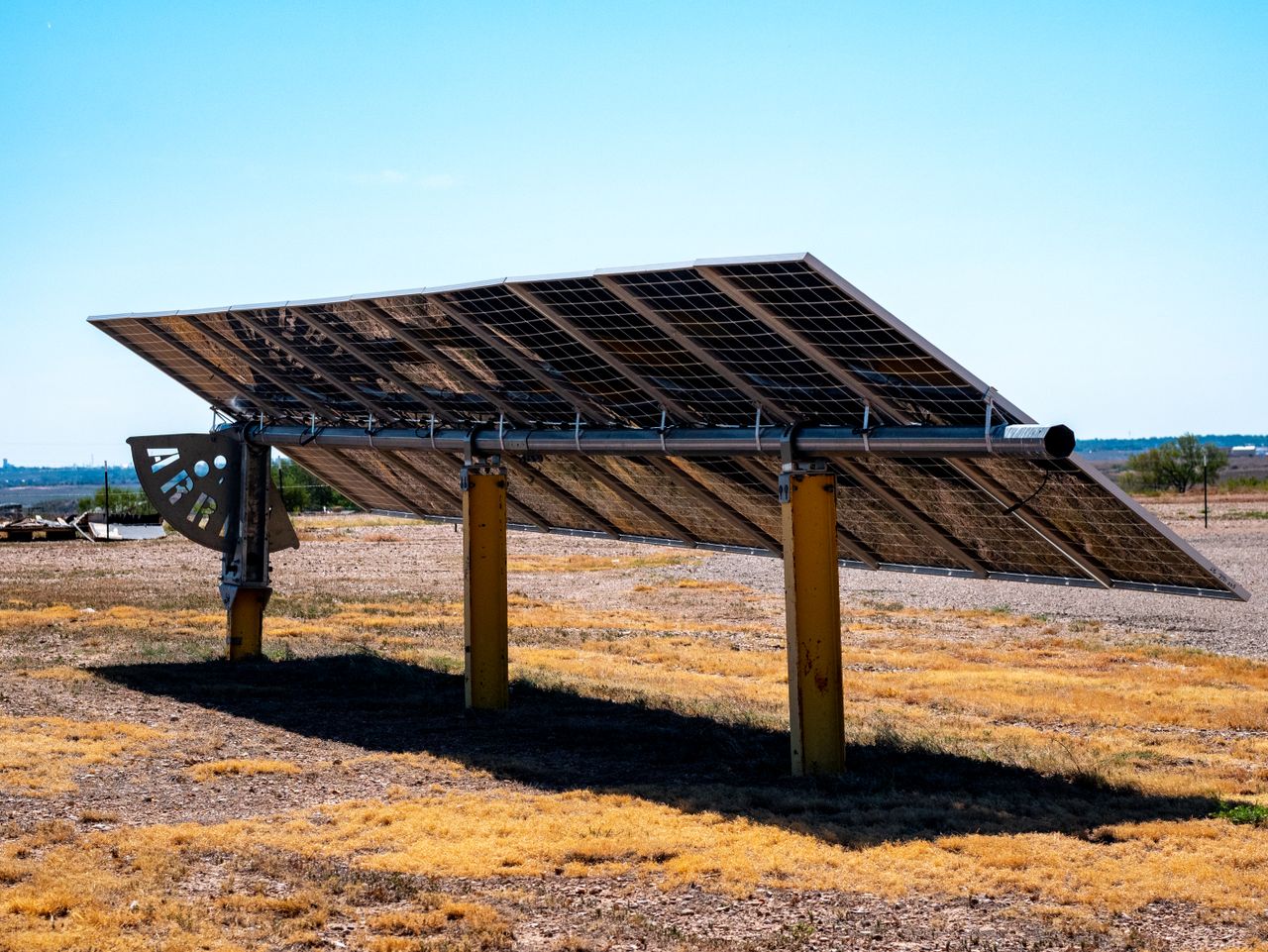
Ground-mounted solar racking is the frame and support system that holds solar panels above the ground. It keeps panels at the planned tilt, orientation and height, helping the array capture sunlight while remaining stable in changing weather.
Wind does not push on a solar array in just one direction. Depending on where the gusts hit, it can create lift underneath panels, force panels downward or push sideways against rails, posts and foundations. These forces place pressure on every part of the mounting system.
Poorly designed or installed racking can lead to problems such as:
To keep these issues at bay, we look at the full structure, not just the panels. The right ground-mounted solar racking helps keep the array aligned, supported and ready to produce power reliably across different weather conditions.
A regional wind rating is only one part of the picture. Two properties in the same area can have very different wind exposure, which is why a standard design may not suit every site.
An open paddock allows gusts to build speed before they reach the array. A ridgeline or elevated block is often exposed from several directions. Coastal properties experience harsh weather conditions, while nearby buildings, trees and changes in ground level may redirect wind in surprising ways.
When assessing a site, we consider factors including:
Panel angle matters because it changes how the wind meets the surface of the array. Taller frames experience different forces than lower systems, while larger arrays have more surface area exposed to gusts. Row spacing also needs care, as wind can move through and around the system in ways that affect different sections of the racking.
A professional site assessment gives us the information needed to plan a system for the property in front of us. Rather than treating every installation the same, we can account for the land, the equipment and your energy demands.
Strong racking starts below ground. Soil conditions affect how well foundations can resist movement, especially when wind creates upward pull on an array.
Clay shifts as moisture levels change. Sandy ground needs a different approach from dense soil. Rock affects installation access and footing depth, while waterlogged areas and erosion weaken the ground around supports over time. These conditions should be understood before the mounting method is chosen.
Common foundation options can include driven posts, concrete footings and screw piles. Each has a different purpose, and the right choice depends on the engineering requirements, ground conditions and access available at your property.
A well-planned foundation system helps to:
Alignment matters, because if an array moves, panels may no longer sit at their intended angle or spacing. That can affect how the system performs and place extra stress on rails, clamps and wiring. At AusPac Solar, we take the time to match the installation approach to the site, because the ground beneath the system matters just as much as the equipment above it.
Ground-mounted solar systems stay exposed to the elements every day. In coastal, humid and tropical locations, moisture and salt in the air place added strain on metal components. Quality rails, corrosion-resistant materials, suitable fasteners and durable mounting hardware all help the structure stand up to repeated exposure.
Wind events also cause small movements across an array. Over time, that movement contributes to metal fatigue, loose bolts or wear around connection points, especially if components have not been properly specified and installed. A system can look fine from a distance while small issues begin to develop.
Regular inspections are an important part of looking after solar equipment, particularly before storm and cyclone seasons. During spring maintenance planning, we recommend reviewing the array’s general condition, visible fixings, signs of corrosion and any changes in the ground around supports. Our energy maintenance services can help identify concerns early, before they become larger interruptions.
The warmer months bring severe weather to many regions, making spring a useful time to review an existing ground-mounted system before higher-risk months arrive. Racking, foundations and panel fixings should work together with the rest of your energy setup, not sit apart from it.
For properties that need dependable power during outages, solar can be paired with battery storage, backup power and monitoring for a more complete energy plan. Keeping essential loads operating depends on careful system design, regular checks and equipment that suits the conditions on your land.
Before the weather turns, consider whether your solar array remains secure, aligned and supported by foundations that match the site. Early attention to racking and maintenance helps protect both your equipment and the power you depend on.
Contact AusPac Solar to discuss ground-mounted solar racking suited to your property and energy goals. We can help you consider practical layout, site conditions and system requirements before installation begins. Speak with our team to discuss the options for your property.


