Request Quote
Thank you! Your submission has been received!
Oops! Something went wrong while submitting the form.

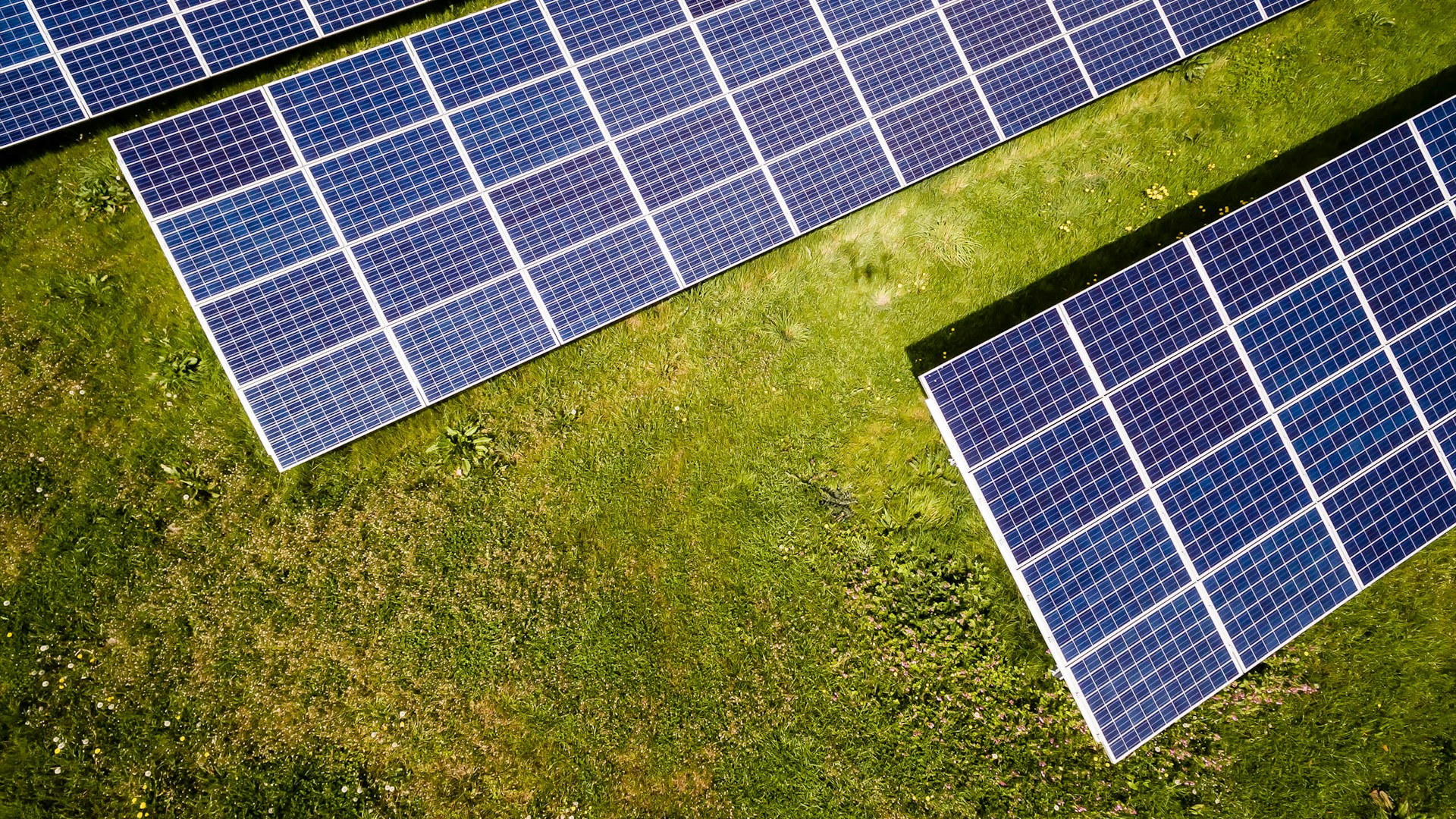
The cost to install ground-mounted solar panels depends on far more than the panels themselves. Your land, power use, access, electrical setup and plans for battery backup all shape the final design. We help property owners look at the full picture before choosing a system that may be too small, too difficult to expand or poorly suited to the site.
Ground-mounted solar can be a smart option when roof space is limited, the roof faces the wrong way, shading is a problem or the building structure is not suitable for panels. At AusPac Solar, we tailor solar, battery storage, backup power and off-grid solutions for homes, farms, businesses and remote sites rather than relying on one standard package.
Ground-mounted systems usually require more site work than rooftop solar. Instead of attaching panels to an existing roof, the array needs dedicated supports, foundations, electrical pathways and space that has been properly assessed for sunlight and safety.
Several details can change the cost to install ground-mounted solar panels:
A clear, level area near your electrical infrastructure is generally simpler to develop. On the other hand, rocky soil, steep blocks, wet ground, flood-prone areas and long cable routes can mean more labour, materials and planning. Trenching may need cable protection, and the array structure must suit the conditions it will face over time.
We recommend asking for an itemised scope rather than comparing a single headline figure. A clear proposal should separate solar equipment, mounting structures, civil work, electrical installation, approvals and any optional battery system. That makes it easier to see what is included, where two proposals differ and whether a lower initial figure leaves out work the property will still need.
There is no single generic price for a ground-mounted array. A small residential system on level ground will have a very different budget from a large farm installation or an off-grid power system serving a remote property. State requirements, site access, system design, grid connection needs and the amount of groundwork involved can all affect the cost.
As a general guide, we see projects fall into different planning categories:
Ground arrays commonly cost more per kilowatt than an equivalent rooftop system because the land must be prepared for the installation. Foundations, racking, earthworks, trenching, site mobilisation, protected cable routes and electrical compliance all sit outside a basic panel-and-inverter package.
Battery storage also changes the overall budget. While it adds to the upfront system scope, it can be worthwhile where you use more energy after sunset, need blackout protection, have unreliable grid supply or want to reduce generator dependence. For eligible installations, quotes may also need to account for small-scale technology certificates, network requirements and local approvals. Incentives and eligibility can change, so we recommend confirming current arrangements when your project is being planned.
A professional site assessment helps us find practical issues before installation begins. We look at solar access throughout the year, nearby shading, soil conditions, drainage, wind exposure, usable land area, underground services and access for equipment. This work helps avoid an array that is hard to build, difficult to maintain or positioned where it cannot perform as intended.
Fixed-tilt arrays are often the simpler option. They have fewer moving parts and can be designed for a suitable direction and angle on the property. Tracking systems can increase production on some large, open sites, but they also bring mechanical parts, added maintenance requirements and a higher capital outlay.
Proximity to key sites also needs to be considered. Long cable runs between the array and the home, shed, business or battery system can add significant work. A good design balances clear sunlight with a manageable electrical route and safe access for future inspections.
Australian weather also matters. Heavy spring rainfall can expose drainage issues, while summer heat, dust and high winds place ongoing demands on the installation. In cyclone-prone areas, engineering and mounting choices need particular attention. We factor local conditions into the system design so the array, foundations and cable routes suit your site.
Ground-mounted solar can make sense when a roof is shaded, undersized, ageing or reserved for other equipment. It can also suit heritage buildings where roof changes are not practical. For farms, businesses and remote properties, available land may allow a system to be sized around energy needs instead of the limits of a roof.
This approach helps leave room for future power demand, including:
Access is another advantage. Ground arrays can be easier to inspect, clean and service than panels on a steep or difficult roof. That does not remove the need for professional maintenance, but it can make routine checks more straightforward.
For regional households considering backup planning, our whole-home backup information for Dubbo, Mackay and Tamworth shows how solar, batteries and backup power can work together for different local needs. We assess generation alongside your load profile, blackout risk, existing generator use and expected future demand. From there, we can help determine whether grid-connected, hybrid or fully off-grid power is the better long-term fit.
Generic online prices can be useful for early research, but they cannot account for the soil under your feet, the distance to your switchboard or the way your property uses power. A tailored assessment gives us a clearer view of your land, energy consumption, budget priorities, backup needs and expansion plans.
Before approving any ground-mounted system, make sure the written scope explains the array location, mounting method, site works, electrical pathway, approvals, battery option and future capacity. A well-matched design is easier to understand, simpler to maintain and better prepared for the way your energy needs may change.
For a clearer view of the cost to install ground-mounted solar panels, speak with AusPac Solar about your property, energy use and preferred system size. We can discuss the practical factors that influence pricing and help you compare suitable options. Get in touch with our team to arrange a tailored assessment for your site.


