Request Quote
Thank you! Your submission has been received!
Oops! Something went wrong while submitting the form.

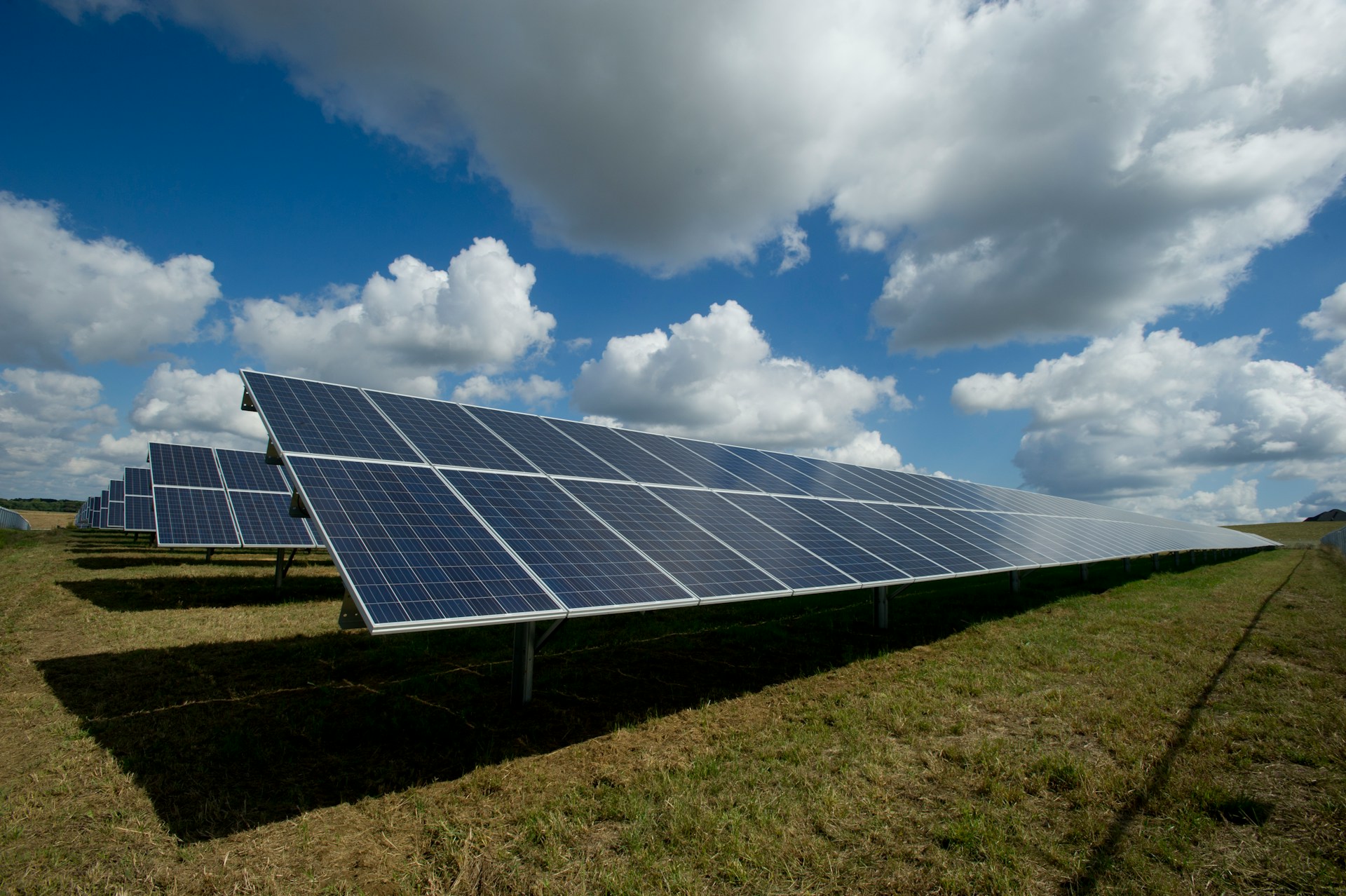
A solar farm setup for graziers should start with where and when you need power, not with a one-size-fits-all system. Water pumps, electric fencing, sheds, homesteads, cool rooms and communications gear can all place different demands on your property’s energy supply. Making the right call between a centralised, distributed or hybrid solar setup helps you manage these demands effectively.
Choosing between these solar setup types is a property-planning decision. The right answer depends on how your paddocks, water points, buildings and work areas are spread across the land.
Power can be tough to manage for remote properties due to the long distances, unreliable grid supply and ongoing diesel use. At AusPac Solar, we design solar and battery systems to give you more independence and better control over the equipment your operation relies on. Spring is a sensible time to review your needs before summer heat, higher pumping demand and bushfire prep put added pressure on your setup.
A centralised system places one larger solar array, battery bank and inverter at a main hub. This could be beside the homestead, machinery shed, workshop or another central operations point. Power then travels from that location to nearby buildings and equipment through existing electrical infrastructure or newly installed cabling.
We often recommend this approach where energy use is grouped fairly close together. A homestead, main shed, workshop, cool room and staff accommodation may all be practical to supply from one well-planned system.
A centralised layout can suit you when your property has:
Monitoring, inspections and maintenance are typically simpler when the key equipment is in one location.
Still, long cable runs can create voltage drop and may need trenching, protection and electrical upgrades. A single central system can also leave several loads affected if one cable route or main component has a fault. For that reason, we look closely at distance, load type and the consequence of downtime before recommending a central hub.
A distributed solar setup uses several smaller solar, battery and inverter systems positioned close to the equipment they power. Instead of sending electricity across kilometres of property, each site produces and stores energy locally.
For graziers, this may mean separate systems for pumps, remote sheds, livestock handling areas, gateways or satellite accommodation. It can be particularly useful when water points and paddocks sit a long way from the homestead.
Local generation helps reduce your reliance on extended power lines, diesel generators and regular trips to inspect or refuel isolated equipment. A well-designed stand-alone system can keep a remote pump or communications site operating without depending on the rest of the property’s power network.
That said, with a distributed system you may have multiple batteries, inverters and solar arrays to inspect over time. Consistent maintenance planning matters, especially where dust, heat, vermin or severe weather can affect equipment.
The good news is that remote monitoring helps us and your team spot battery, inverter or pump concerns early. That gives you a better chance to act before a problem interrupts water supply for stock or causes an avoidable trip across the property.
Before choosing a layout, we recommend an energy audit. This involves looking at what must keep running, when it runs and what happens if it stops.
Your assessment should consider:
A bore pump will draw power differently from a cool room, electric fence or communications gateway. Some loads need steady energy over many hours, while others have a high start-up demand. We also consider which equipment can wait and which cannot, particularly where stock water is involved.
A hybrid design often makes the most sense. You may have a central solar and battery system serving the homestead and main sheds, while remote paddocks use stand-alone solar pumping systems. Portable solar products can also suit temporary or moveable requirements. This approach lets the solar farm setup for graziers match the way your property actually works rather than forcing every load into one model.
The smallest installation scope at the beginning is not always the simplest option over the long term. A centralised system may need longer trenching runs, cabling and switchboard work. Distributed systems may need more individual batteries, inverters and monitoring points. We help you weigh those practical demands against travel time, reliability and access.
Both layouts need regular attention. Panels may need cleaning, batteries need health checks and inverters should be inspected. Pump performance also matters, because an energy system can be working properly while a water issue develops elsewhere in the setup.
Good planning includes providing protection from dust, heat, vermin and weather exposure. Equipment placed where it can be safely reached is easier to service and inspect. Scheduled professional maintenance helps keep small issues from becoming bigger interruptions during busy periods.
Future growth deserves a place in the first design conversation. A central system may be easier to enlarge when there is room for more panels, battery capacity and electrical infrastructure. Distributed systems can be expanded gradually as you add bores, sheds, accommodation or new work areas. Planning for tomorrow’s loads prevents a system from becoming restrictive too soon.
Spring gives you time to review power and water infrastructure before hotter weather raises pumping, cooling and operational demands. We recommend assessing centralised, distributed and hybrid options together with battery storage, backup power and an ongoing maintenance plan. For rural and remote properties around Dubbo, Mackay and Tamworth, whole-home backup may also be worth considering where the homestead is part of the wider energy plan.
The best layout is the one that keeps your must-have loads supplied, limits unnecessary travel and can grow with the property. Start with real operating conditions, map where power is needed and make sure the system is designed for the consequences of downtime, not just normal-day use.
At AusPac Solar, we help property owners turn practical power requirements into systems that suit the way they work. Speak with our team about a solar farm setup for graziers tailored to your infrastructure, water needs and future plans. We can help you assess the right solution for dependable energy across your property.


